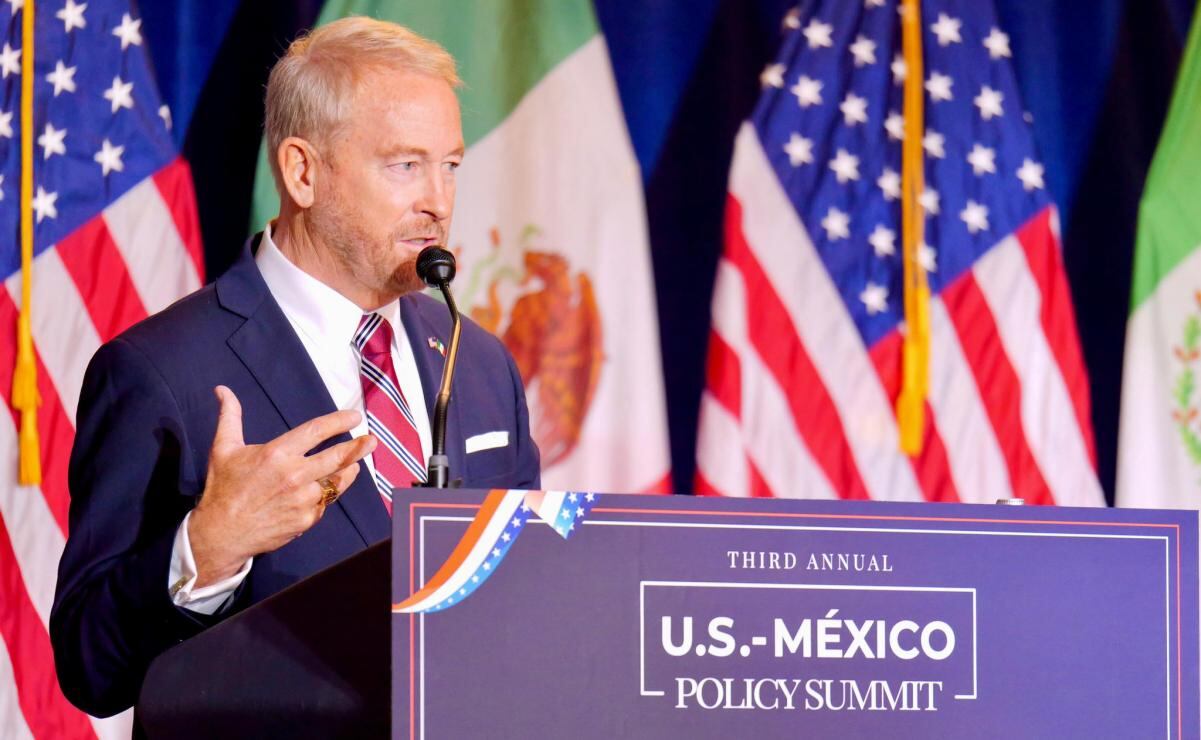
According to reports from El Universal, US Ambassador Ronald Johnson stated the best way to assist Cuba is empowering its citizens, not the ruling regime. This comment follows former President Andres Manuel Lopez Obrador's call for humanitarian aid to the island nation. The diplomatic exchange highlights growing tensions between Washington and Mexico regarding Cuban policy and regional stability and security.
Johnson referenced US Secretary of State Marco Rubio during a recent post on his social media account regarding the crisis. He argued that decades of oppression under the current leadership require a fundamentally different approach to solidarity with the people. The statement directly contrasts with previous administration strategies focused on state-to-state engagement rather than citizen empowerment and freedom.
President Donald Trump suggested a potential agreement with Cuba could materialize soon according to his recent public remarks. He noted that negotiations involving Iran would take precedence over Cuban discussions in the near term for the administration. This indicates shifting priorities within the US executive branch regarding Caribbean relations and sanctions policy implementation and enforcement.
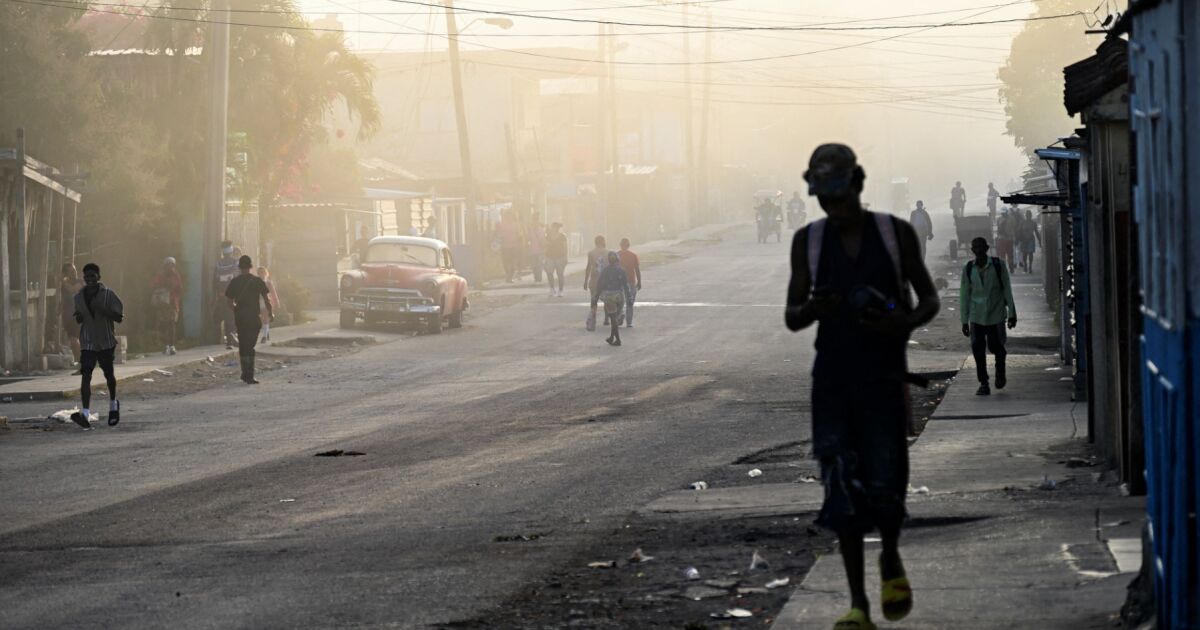
Cuba faces a severe humanitarian crisis following a US petroleum blockade established in January this year that affects imports and distribution. Venezuela halted crude oil supplies to the island after Washington imposed tariff sanctions on foreign suppliers directly. These measures have exacerbated fuel shortages and economic instability within the territory governed by Miguel Diaz-Canel.
Lopez Obrador emerged from retirement to solicit donations for food and medicine purchases directly for the people in need and suffering. He directed citizens to contribute to a Banorte account managed by the Humanidad con America Latina civil association for aid. The former leader cited General Cardenas regarding the moral obligation to support Cuba against indifference.
President Claudia Sheinbaum Pardo supported her predecessor's position during a tour in Nayarit last week regarding international solidarity. She guaranteed that Mexico would continue providing support based on historical solidarity and humanitarian reasons as a priority for the government. The current administration maintains that individual citizens may also contribute privately to aid efforts without restriction.
This situation complicates the ongoing diplomatic relationship between Mexico and the United States significantly at this time. Washington has historically pressured neighboring countries regarding Cuban trade and oil imports throughout the decades of bilateral interaction. Mexico navigates these pressures while maintaining its stance on regional sovereignty and non-intervention principles consistently and firmly.
The energy blockade impacts regional markets and supply chains across Latin America significantly and broadly affecting the economy. Sanctions on countries supplying crude to Cuba create compliance challenges for international businesses operating in the energy sector and logistics. Mexican firms must evaluate risks associated with potential secondary sanctions from the US Treasury Department carefully.
Observers will watch for further coordination between US officials and Mexican authorities in the coming weeks ahead. The resolution of the Cuban energy crisis depends on multiple geopolitical factors including oil prices and political will globally. Continued aid efforts may influence future trade negotiations between the nations regarding regional stability and security measures and policies.
The debate underscores the complex interplay between humanitarian needs and political strategy in the region significantly. Both nations prioritize stability in the hemisphere while adhering to their respective foreign policy goals and domestic laws. Future developments will likely shape hemispheric cooperation for the coming year ahead of any major elections and summits.