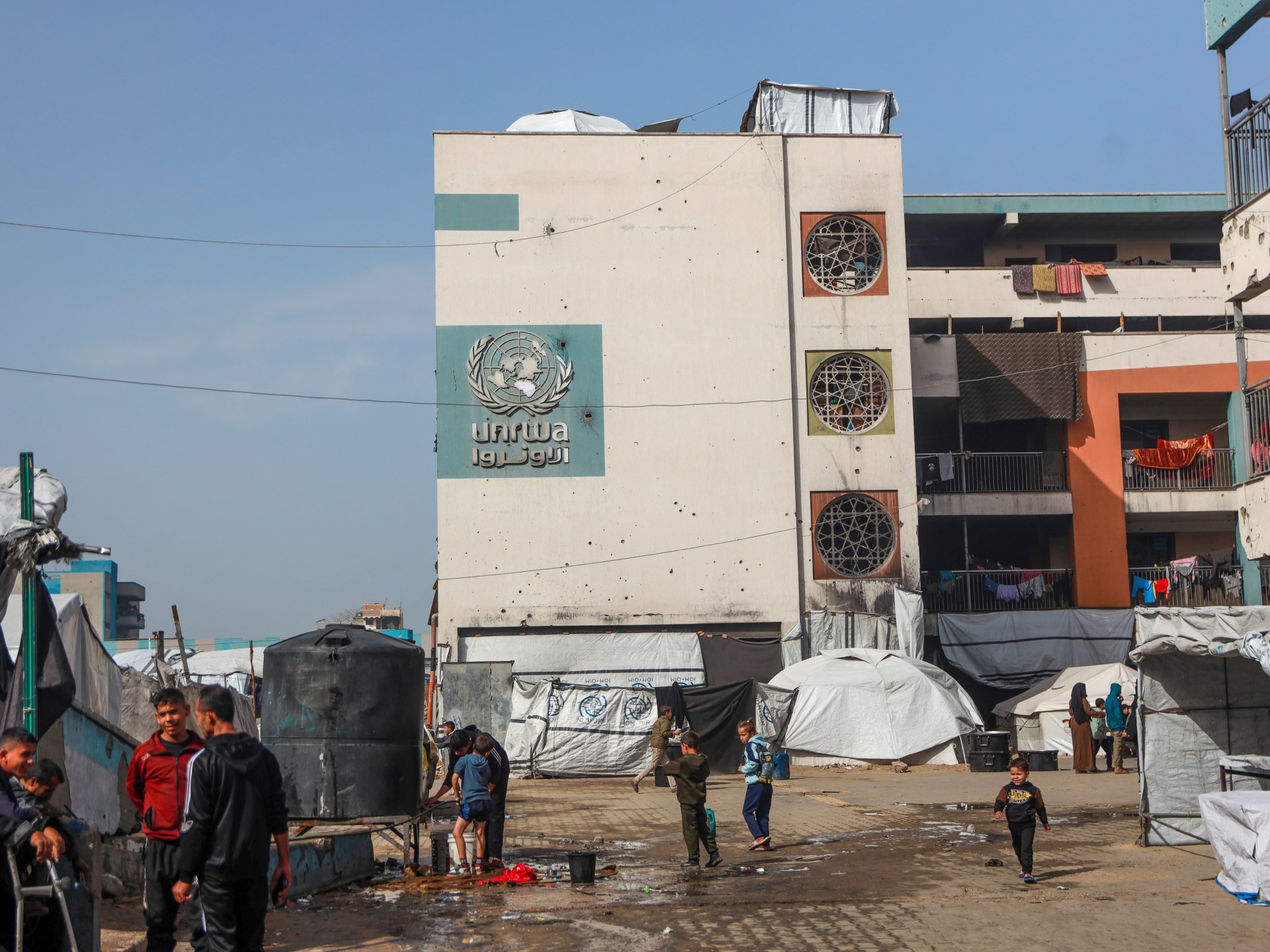
The United Nations agency for Palestinian refugees (UNRWA) confirmed significant staff reductions and salary cuts for its operations in Gaza, attributing the necessity of these austerity measures to a severe $220 million financial deficit for 2026. This action follows escalating operational challenges, including a reduction in international donor funding following Israeli allegations against agency personnel.
UNRWA Commissioner-General Philippe Lazzarini informed affected personnel that the agency was compelled to implement a 20% salary cut for local staff remaining in the enclave, alongside terminating contracts for employees previously placed on exceptional leave outside Gaza. These measures directly impact essential services, including education and healthcare, which are critical for the majority Palestinian refugee population in the territory.
Reports indicate that staff members displaced outside Gaza, many of whom were receiving reduced pay while on leave, have faced immediate termination without notice, severely impacting their financial stability. The UNRWA staff union in Gaza questioned the decision to impose the harshest measures on the most devastated region, arguing that Gaza requires increased support, not the severing of lifelines.
These financial constraints are occurring concurrently with heightened geopolitical pressure, as Israel continues to restrict aid access and has taken actions against UNRWA facilities. Earlier this month, Israeli bulldozers partially destroyed UNRWA headquarters in East Jerusalem, an act the agency's leadership characterized as part of a broader effort to erase the refugee identity.
Israel has repeatedly accused UNRWA of complicity with Palestinian armed groups, claims the agency has consistently denied while confirming disciplinary action against any proven wrongdoing. The agency maintains its mandate, established by the UN General Assembly, and continues to face legal and operational confrontations with Israeli authorities, including Knesset legislation banning its operations in areas claimed by Israel.
UN Secretary-General Antonio Guterres previously warned Israeli Prime Minister Benjamin Netanyahu that the matter could be escalated to the International Court of Justice (ICJ) if laws targeting the agency are not repealed and seized assets returned. The ongoing operational disruption threatens the minimum level of stability provided by UNRWA, which serves as the backbone for humanitarian relief in the besieged territory.
Broader implications point toward a deepening humanitarian catastrophe, as the reduction in UNRWA capacity removes a primary safety net for millions reliant on its food, health, and educational provisions. The situation underscores the fragility of international aid mechanisms when subjected to sustained political and military pressure in conflict zones.