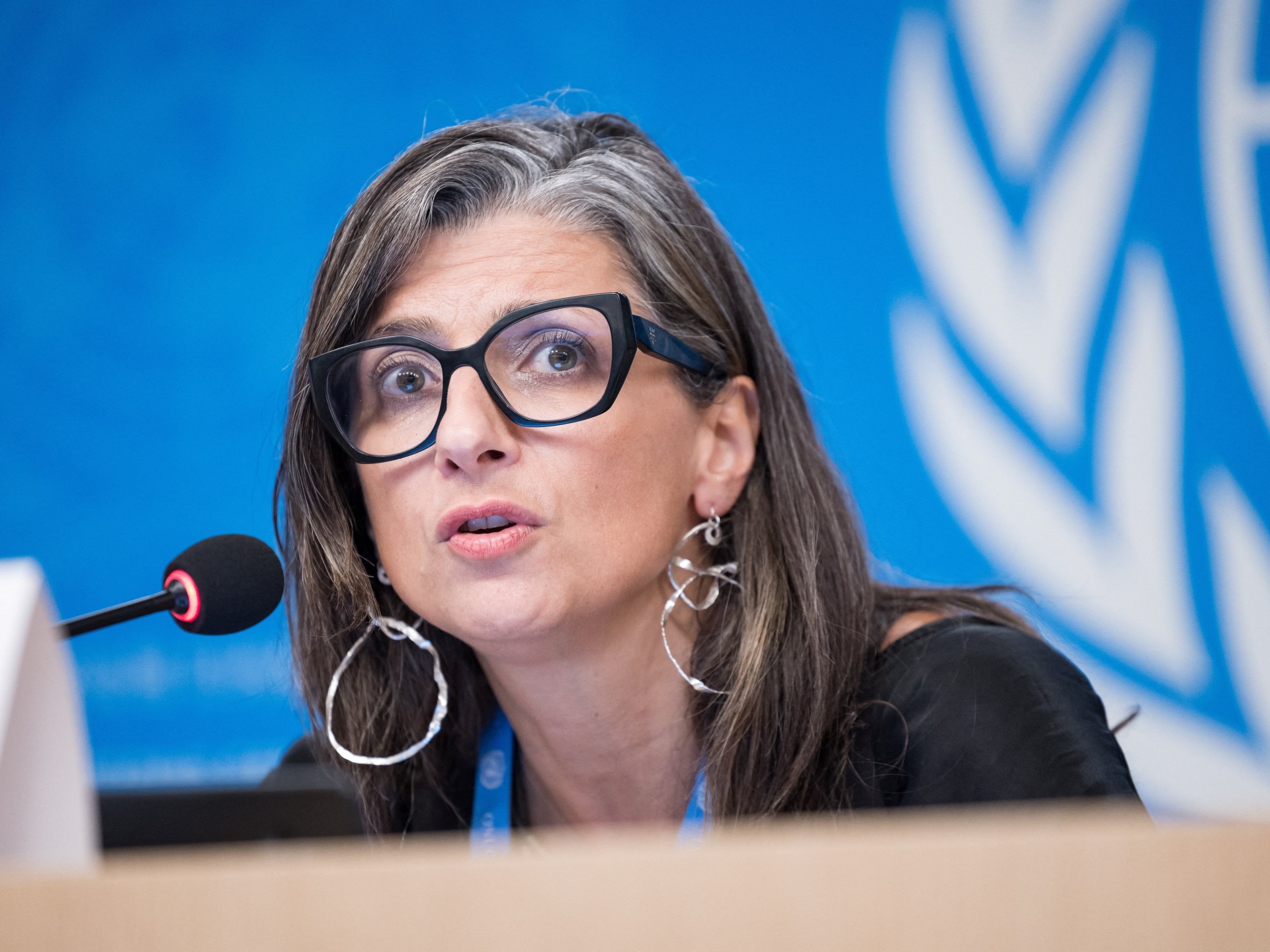
A United Nations expert released a detailed report on Friday alleging that Israel is systematically torturing Palestinians in custody since October 7, 2023. The document claims that current detention practices constitute a form of collective vengeance and demonstrate destructive intent toward the Palestinian population. Francesca Albanese, the special rapporteur on the rights situation in occupied territories, presented these findings to the public following extensive review. This announcement marks a significant escalation in international scrutiny regarding the conduct of Israeli forces during the ongoing conflict.
Albanese detailed exceptionally ruthless physical and psychological abuse suffered by Palestinians in the report titled Torture and genocide. She stated that torture has been used on an unprecedented scale as a punitive measure against the Palestinian people to inflict long-term suffering. The expert highlighted that these methods have inflicted profound and lasting scars on the bodies and minds of tens of thousands of individuals and their loved ones. Such abuse includes brutal beatings, sexual violence, rape, and lethal mistreatment within detention facilities across the occupied territory.
The investigation gathered written submissions and at least 300 testimonies to support these serious allegations against the state authorities. Over 18,500 Palestinians have been arrested in the occupied territory since the outbreak of hostilities in late 2023. This figure includes at least 1,500 children who have been subjected to the same harsh detention conditions as adults. Approximately 9,000 Palestinians remain in detention while more than 4,000 have been subjected to enforced disappearance without due process. These statistics reflect a dramatic increase in arrests compared to previous years.
Israel remains a party to the Convention against Torture and Other Cruel, Inhuman or Degrading Treatment or Punishment despite these claims. Albanese argues that the current detention system has descended into a regime of systemic and widespread humiliation and terror. She emphasized that the report focuses on Israeli conduct while unequivocally condemning torture committed by all actors including Palestinian armed groups. This legal framework provides the basis for her assessment of the situation on the ground and the ongoing humanitarian crisis.
Albanese urged the prosecutor of the International Criminal Court to request arrest warrants for specific Israeli ministers involved in security decisions. She specifically named Defence Minister Israel Katz, National Security Minister Itamar Ben-Gvir, and Finance Minister Bezalel Smotrich for potential prosecution. She called on all countries to do everything in their power to stop the destruction of what remains of Palestine immediately. She argued that every delay in addressing these issues worsens irreversible harm and further entrenches a system of cruelty globally.
The special rapporteur faces ongoing criticism from Israel and some of its allies over her relentless criticism and longstanding accusations of genocide. Israel has charged her with being motivated by an obsessive, hate-driven agenda to delegitimise the state of Israel in international forums. France and Germany called for her to resign following her alleged remarks to an Al Jazeera forum in Doha last month. Critics argue her position undermines diplomatic efforts to secure a peaceful resolution to the conflict in the Middle East.
The UN Watch NGO spread an edited video clip of Albanese in which she was falsely accused of calling Israel the common enemy of humanity. Albanese clarified that her actual words stated that humanity has a common enemy regarding the respect of fundamental freedoms. UN Watch is not a UN body, though the NGO claims she violated independence norms expected of special rapporteurs. This controversy highlights the intense polarization surrounding the ongoing humanitarian crisis in the region and the challenges faced by independent investigators.
Albanese is due to present her report to the UN Human Rights Council on Monday for further deliberation by member states globally. Observers will monitor how the council responds to these serious allegations given the geopolitical tensions involved. International observers continue to track developments in the ongoing conflict as the humanitarian situation remains critical. The outcome of this presentation could influence future international legal actions regarding the region and accountability mechanisms. The report aims to establish a clear record of events for historical accountability.