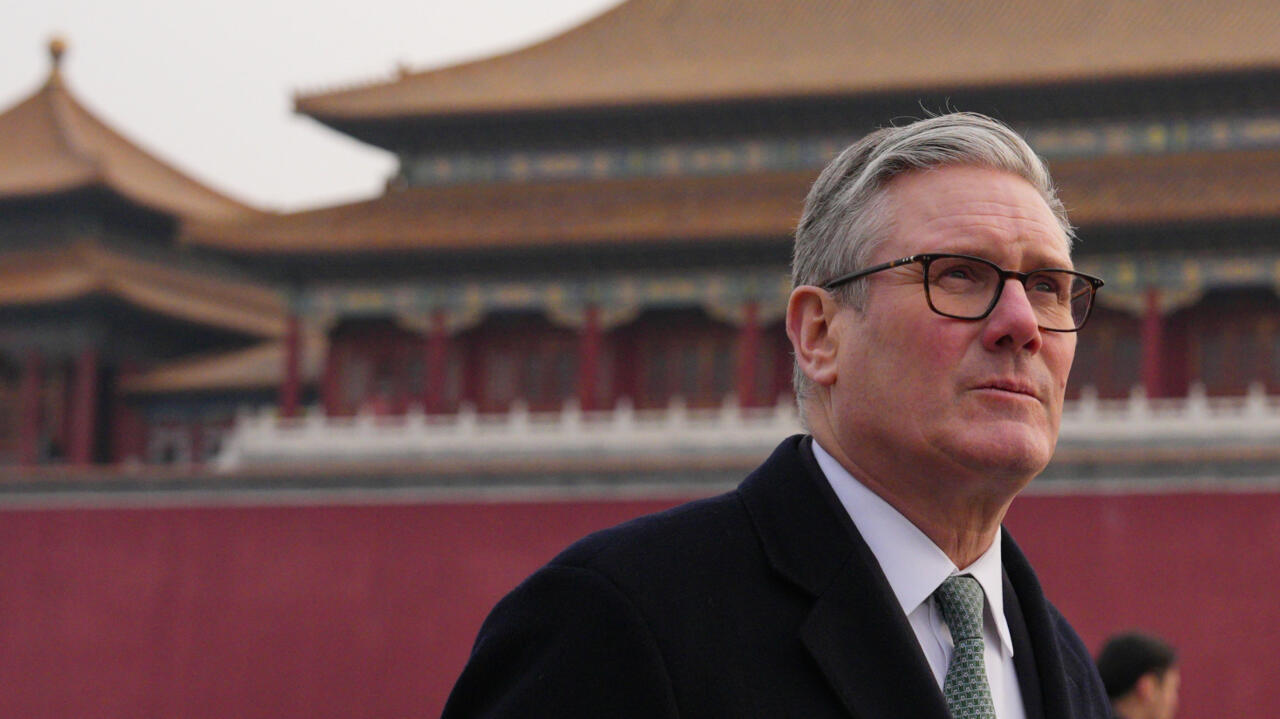
British Prime Minister Keir Starmer reported "really good progress" following an 80-minute summit with Chinese President Xi Jinping in Beijing on Thursday, signalling a concerted effort to build a "sophisticated relationship" to bolster the United Kingdom's economy. This engagement is the first such high-level meeting in eight years and follows a period of deteriorating bilateral relations marked by security concerns and human rights dialogues.
As a tangible outcome of the talks, China agreed to relax entry requirements, permitting British nationals visa-free access for stays under 30 days, an arrangement Starmer framed as a significant boost for UK businesses seeking market expansion. The Prime Minister’s statement indicated that this facilitation would assist companies "crying out for ways to grow their footprints in China," thereby supporting domestic job creation.
Starmer highlighted a $15 billion investment pledge by AstraZeneca into its Chinese operations as tangible proof of the mutual economic benefits achievable through deeper cooperation. The UK delegation, which included over 50 business leaders, also reportedly secured progress on reducing tariffs affecting British whisky exports.
Xi Jinping acknowledged that the relationship had endured "twists and turns" detrimental to both nations, expressing readiness to develop a long-term partnership designed to "withstand the test of history." Despite these conciliatory remarks, Starmer maintained that the dialogue must accommodate meaningful discussion on areas of disagreement, including national security and human rights issues.
This diplomatic pivot places Starmer among recent Western leaders engaging Beijing as global alignment faces volatility stemming from shifting policy signals originating from the United States under the Trump administration. Trade tariff threats and geopolitical maneuvers by Washington have prompted allies like the UK to seek stable economic footing elsewhere.
Beyond economic matters, the leaders announced a joint initiative to combat transnational organized crime, specifically targeting gangs trafficking illegal migrants using Chinese-made components in small boats. Officials stated that intelligence sharing would focus on disrupting smugglers’ supply chains.
However, the engagement is not without domestic political friction; opposition Conservatives criticized the visit, citing warnings from British security services regarding ongoing Chinese espionage activities. Starmer confirmed a "respectful discussion" regarding the case of convicted Hong Kong media tycoon Jimmy Lai, a British citizen, according to reports.