UK Prime Minister Keir Starmer stated on Friday that it would be unwise for Britain to disengage from China, pushing back against assertions from U.S. President Donald Trump that commercial dealings with Beijing carry significant risk. This exchange underscores a deepening geopolitical divide among Western allies regarding economic strategy toward China.
Starmer concluded a multi-day engagement in Beijing, which resulted in China agreeing to reduce tariffs on specific UK goods, including whisky, and easing visa restrictions for UK citizens. The Prime Minister characterized the visit as a success, particularly concerning market access negotiations for the UK's professional services sector, according to reports by the BBC.
During his visit, British pharmaceutical company AstraZeneca committed to a substantial $15 billion investment within China, illustrating the economic incentives driving the engagement. However, Starmer emphasized that the UK must maintain relationships, citing similar recent high-level visits by leaders from France and Germany, as reported by Reuters correspondents.
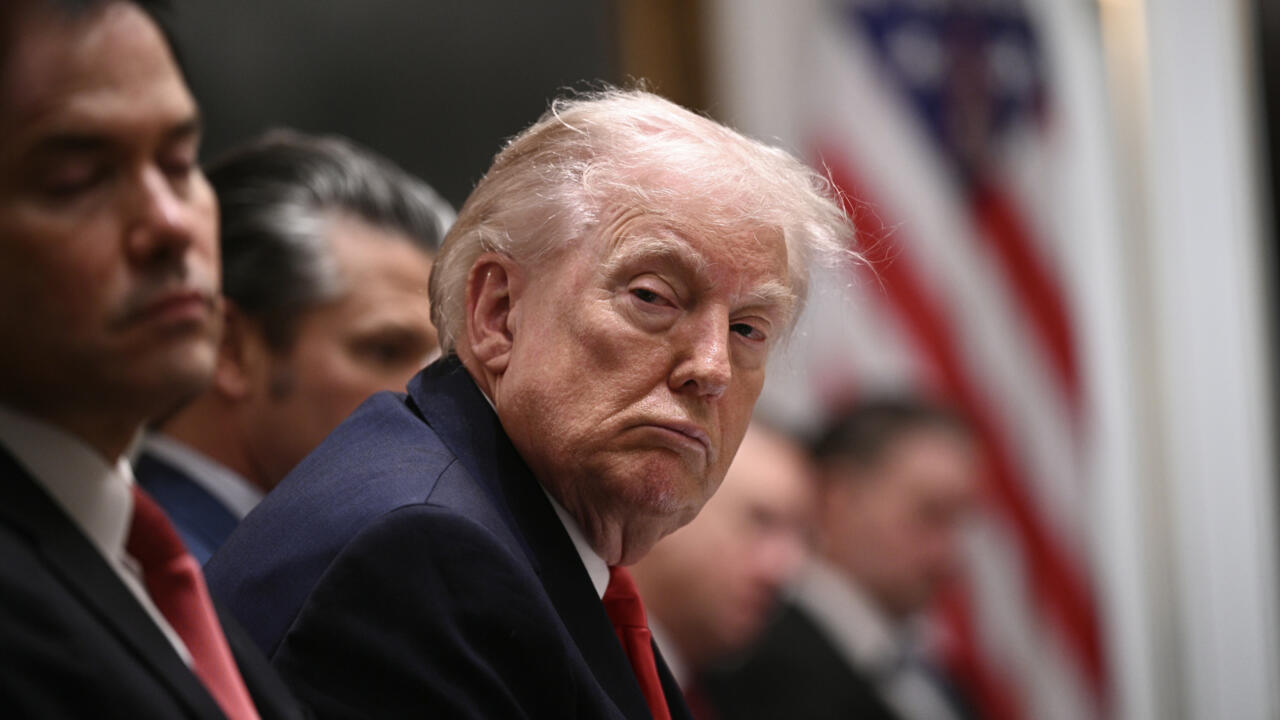
In Washington, President Trump responded briefly to questions regarding the closer UK-China relationship, stating, "Well, it's very dangerous for them to do that," though he offered no further elaboration on the perceived threat. This contrasts with Starmer's insistence that the UK-U.S. relationship remains fundamentally strong, citing prior major investment announcements.
Starmer's Labour government has prioritized strengthening economic ties as it seeks to accelerate domestic growth following its assumption of power in July 2024. A business delegation accompanying the Prime Minister reportedly emphasized the immediate economic benefits derived from the market openings secured in the talks with President Xi Jinping.
This diplomatic positioning represents a notable shift, as Starmer has demonstrated increasing willingness recently to publicly defy specific stances taken by the U.S. President. Earlier in the week, the Prime Minister criticized remarks made by Trump concerning NATO allies' combat roles and rejected calls regarding Danish territory.
The contrasting approaches signal a complex balancing act for London, attempting to secure vital bilateral economic advantages from Beijing while navigating potential political fallout from Washington. The outcome of these divergent strategies will have notable implications for future multilateral trade alignments in the G7 structure.
Looking ahead, President Trump is scheduled to travel to China in April, suggesting further high-level diplomatic interactions that could either mitigate or exacerbate the current transatlantic policy divergence on China engagement.