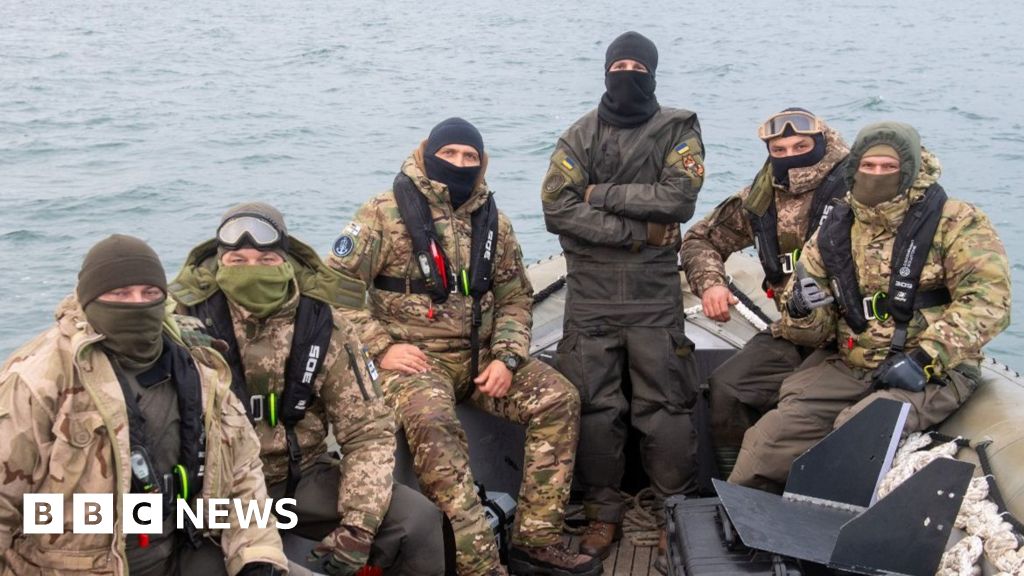
Ukrainian Navy divers are undertaking perilous operations to clear unexploded sea mines and ordnance littering sections of the Black Sea under Kyiv’s control, according to reports from the region. These explosive devices, laid primarily since the full-scale invasion began, pose a persistent threat to the commercial maritime corridor essential for Ukraine's economy.
The commander of the navy's mine countermeasures group, using the callsign Fox, estimates the number of sea mines alone is in the thousands. The contamination is compounded by debris from the 2022 Kakhovka dam breach, including land mines and artillery shells that have washed into the sea, significantly increasing the total volume of unexploded ordnance.
Despite the severe underwater threat, a significant volume of merchant shipping continues to operate, providing vital revenue streams for the nation. Navy spokesman Dmytro Pletenchuk stated that parity currently exists in the maritime domain, noting that technological adaptations are constantly employed by both sides to maintain or counter naval advantages.
Commercial viability hinges on these clearance efforts, as maritime exports constitute over two-thirds of Ukrainian agricultural shipments, valued in reports at approximately $9 billion. Divers like Vitalii describe moving with extreme caution toward devices, often using closed-circuit rebreathers to avoid creating bubbles that could trigger sensitive acoustic sensors.
Commander Fox detailed that mines are typically either contact or influence types, with large commercial vessels being particularly vulnerable to magnetic mines that activate based on the vessel’s magnetic field signature. The neutralization process is complex, often requiring two days, controlled detonations from a distance, and the coordination of multiple vessels and personnel.
Adding to the operational difficulty, ongoing aerial attacks frequently scramble GPS signals, rendering precise sonar readings for object identification unreliable. The British Navy provided two mine-hunting vessels in 2023, but they remain stationed in the UK, awaiting a ceasefire before deployment, according to Pletenchuk.
In the current combat environment, the de-mining group neutralized over 50 mines in 2024, a fraction of the total contamination, suggesting the clearance process will span decades under present conditions. The continued operation of the grain corridor and export revenue streams directly depend on the painstaking, high-stakes work conducted by these specialized teams beneath the surface.