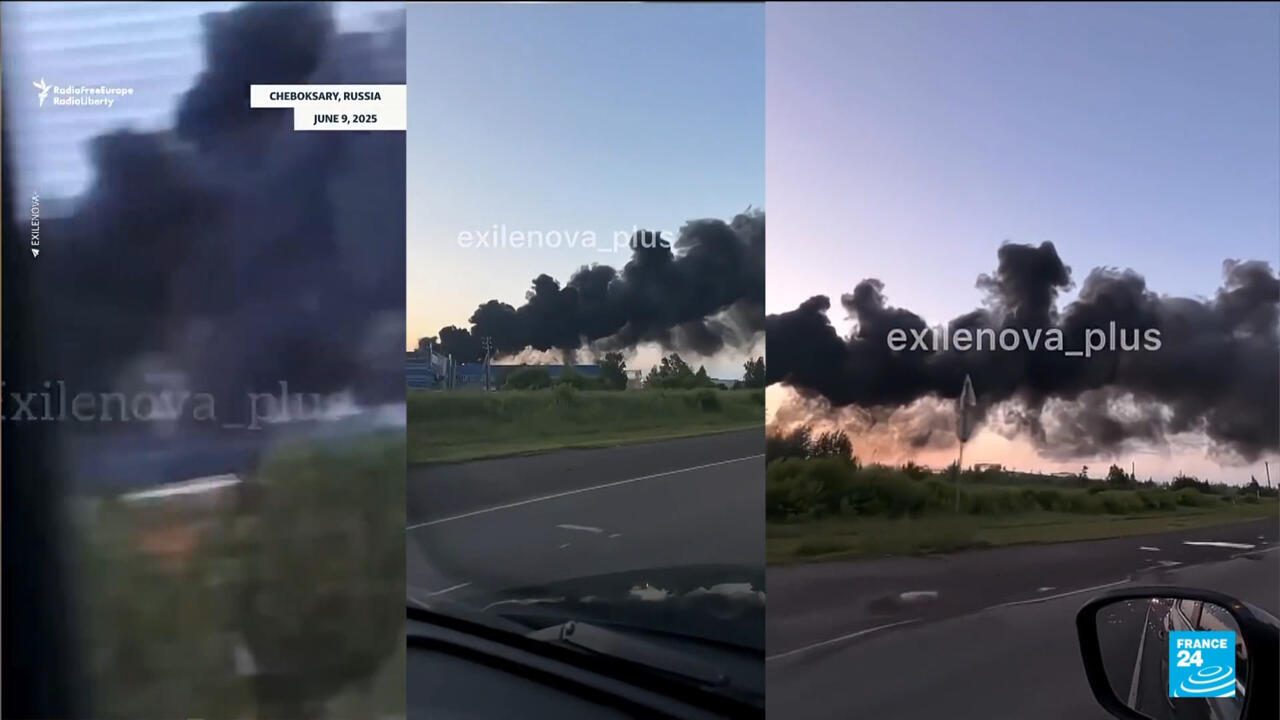
Since August 2025, Ukraine has markedly escalated its operational tempo concerning deep strikes targeting strategic assets within the Russian Federation. This acceleration in cross-border activity marks a significant evolution in Kyiv's military posture, relying heavily on indigenous defense capabilities rather than solely on materiel supplied by international partners.
This reliance on domestically manufactured munitions—chiefly advanced Unmanned Aerial Vehicles (UAVs)—provides Ukraine with operational flexibility while navigating the complex political sensitivities surrounding the conflict. Western allies have maintained a degree of reluctance concerning the provision or explicit approval for using their long-range missile systems against targets deep within Russia, a boundary Kyiv appears determined to redefine through self-sufficiency.
Various sources indicate a nuanced level of cooperation remains, particularly concerning targeting intelligence provided by the United States. This suggests a delicate balance: Western powers are tacitly accepting these domestically-driven offensive maneuvers, provided the escalation threshold tied to their specific weapons systems is not crossed.
Exclusive access obtained by correspondents observing the launch of one such strike offers a tangible glimpse into the logistical and operational commitment backing this strategy. The deployment of these domestic platforms underscores a growing maturation of Ukraine’s defense-industrial base under wartime duress.
From a geopolitical standpoint, this strategy of self-reliance in deep strike capabilities reduces the immediate leverage Western capitals might exert through conditional military aid regarding targeting parameters. It signals a commitment to sustained, asymmetric pressure against Russian military infrastructure, regardless of evolving external political consensus.
The economic implication is two-fold: it highlights essential resilience in Ukraine’s wartime production sector, and conversely, it raises the stakes for Russia regarding the protection of its strategic depth and industrial capacity.
The strategic narrative pivoting on domestically-produced long-range strikes is designed to impose continuous operational friction on Moscow, forcing a redistribution of defensive resources and potentially impacting internal stability assessments.
This ongoing escalation, fueled by domestic innovation, represents a critical inflection point in how the conflict is prosecuted, moving the strategic center of gravity further into contested territory, as reported by France 24.