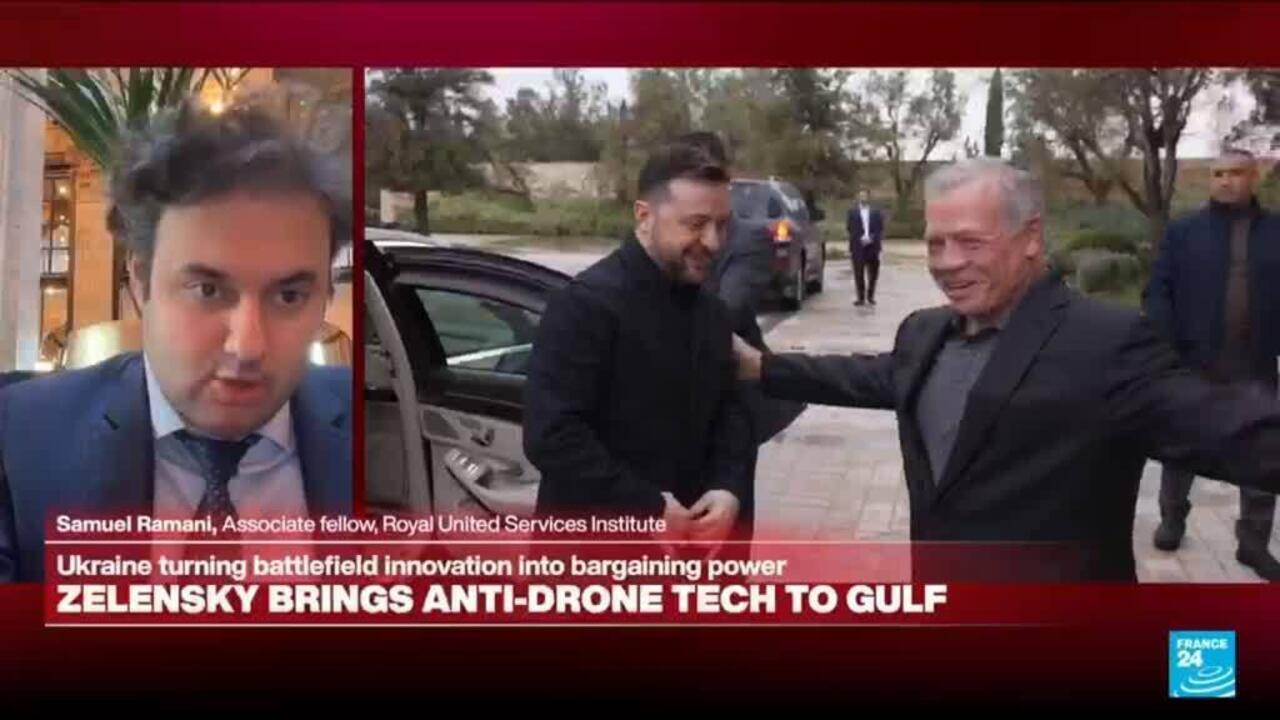
Kyiv is actively pursuing a new diplomatic strategy to secure essential defense investments from wealthy Gulf states. President Volodymyr Zelensky initiated high-level visits this month to strengthen bilateral ties with regional leaders. This move aims to diversify funding sources as Western aid faces increasing political uncertainty in Congress.
Dr. Samuel Ramani from the Royal United Services Institute analyzed the complex geopolitical implications of this strategic outreach. He stated that Kyiv intends to reinforce its strategic value to the United States through expanded energy partnerships. The strategy involves attracting much-needed capital into defense and technology sectors to sustain the war effort.
Strategic Repositioning
According to Ramani, the repositioning serves multiple critical objectives for the Ukrainian leadership at this pivotal moment. Strengthening ties with Gulf actors helps reinforce Ukraine's strategic value to the United States in a multipolar world. Attracting investment is now critical for maintaining long-term operational capabilities against persistent threats.
Defense and Technology
Military effectiveness remains a central component of this diplomatic push with potential international partners in the Middle East. Reports indicate that drone interceptors are proving more effective than traditional Patriot missile systems in current combat scenarios. This technological advantage allows Ukraine to demonstrate viability to potential backers who seek cost-effective solutions.
Energy politics and diplomatic alignment intersect with military innovation in the current complex regional environment of the Middle East. Gulf investors are increasingly interested in defense contracts that offer dual-use technology applications for civilian markets. Consequently, Ukraine is positioning itself as a hub for military research and development that benefits all parties involved.
The United States views this alignment as critical for maintaining influence in the volatile Middle East region. Washington seeks to ensure that Kyiv remains a viable buffer against regional instability caused by external actors. Strengthening ties with Gulf actors helps mitigate risks associated with potential shifts in European support for the war.
Future Implications
Market analysts suggest that sustained engagement could unlock billions in foreign direct investment for critical infrastructure projects. However, success depends on the ability of Kyiv to maintain operational security during these sensitive negotiations. Diplomatic channels must navigate complex sensitivities regarding oil production and regional security dynamics.
Looking ahead, the next quarter will determine the longevity of these new partnerships between Kyiv and Riyadh. If investment flows materialize, Ukraine could reduce reliance on direct Western military aid significantly. This transition marks a significant shift in how modern conflicts are funded and sustained globally.
Regional stability relies heavily on the success of these emerging economic and military arrangements in the region. Failure to secure alternative funding could force Kyiv into a less favorable dependency structure with other global powers. The outcome will likely influence broader NATO strategies in the coming years regarding defense procurement.
These developments signal a broader transformation in how global powers approach regional conflicts and security architectures. Diplomatic innovation now competes equally with kinetic solutions in determining future security outcomes worldwide. The world is watching closely to see if this model proves sustainable over the long term.