President Volodymyr Zelensky visited Saudi Arabia on Friday to sign a defense cooperation agreement. The pact lays the foundation for future contracts and technological investments between the two nations. Zelensky stated the move aims to strengthen the protection of lives through shared expertise. This diplomatic effort occurs while the Gulf nation faces attacks linked to the unfolding war in the region.
The agreement includes provisions for technological cooperation and future procurement deals. Zelensky confirmed the signing took place ahead of meetings with Crown Prince Mohammed bin Salman. Officials expect the partnership to deepen security ties beyond current military aid frameworks. Sources suggest the deal could influence defense procurement strategies across the Middle East significantly.
The timing coincides with the fourth week of US and Israeli military operations against Iran. Washington and Tel Aviv launched strikes on February 28, triggering retaliatory actions from Tehran. The conflict has resulted in significant casualties and infrastructure damage across the country. Reports indicate the war has now lasted over four weeks without a resolution in sight. US Secretary of State Marco Rubio attended a G7 meeting in France to address the instability.
A US Tomahawk cruise missile struck an elementary school in Minab, killing more than 175 people. Iran’s Foreign Minister Abbas Araghchi called the bombing a calculated assault during a UN address. Preliminary US military findings suggest the strike was a targeting mistake, though Tehran disputes this claim. The incident has drawn sharp criticism from the UN Human Rights Council regarding civilian protection.
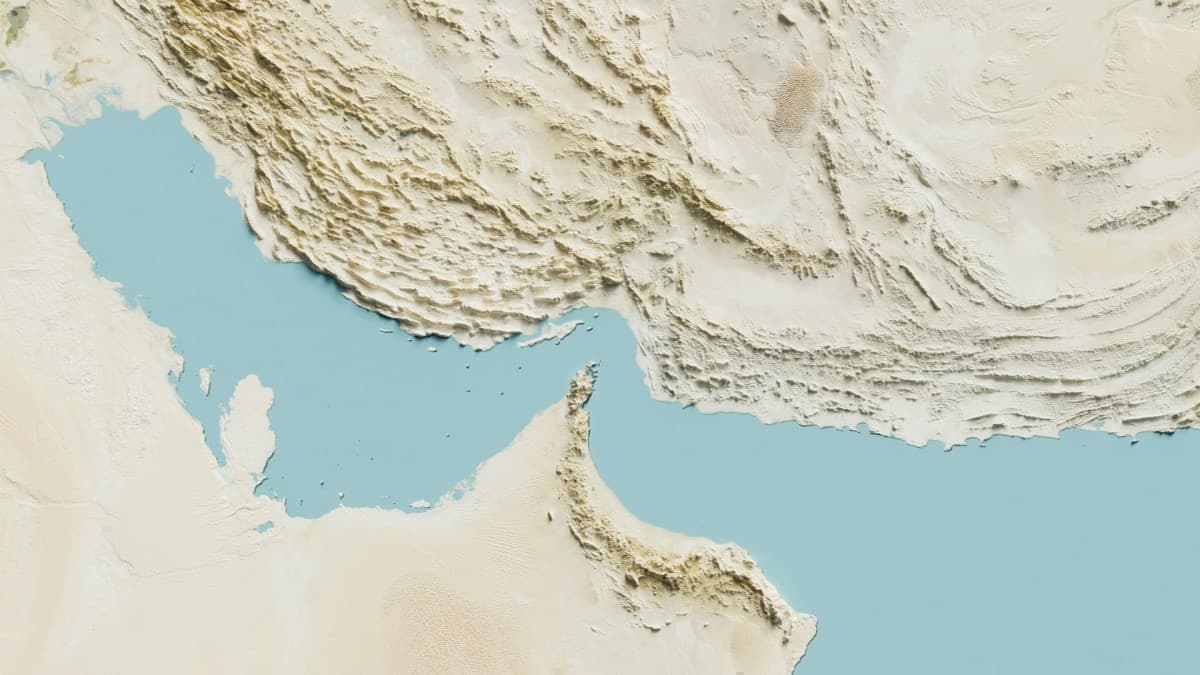
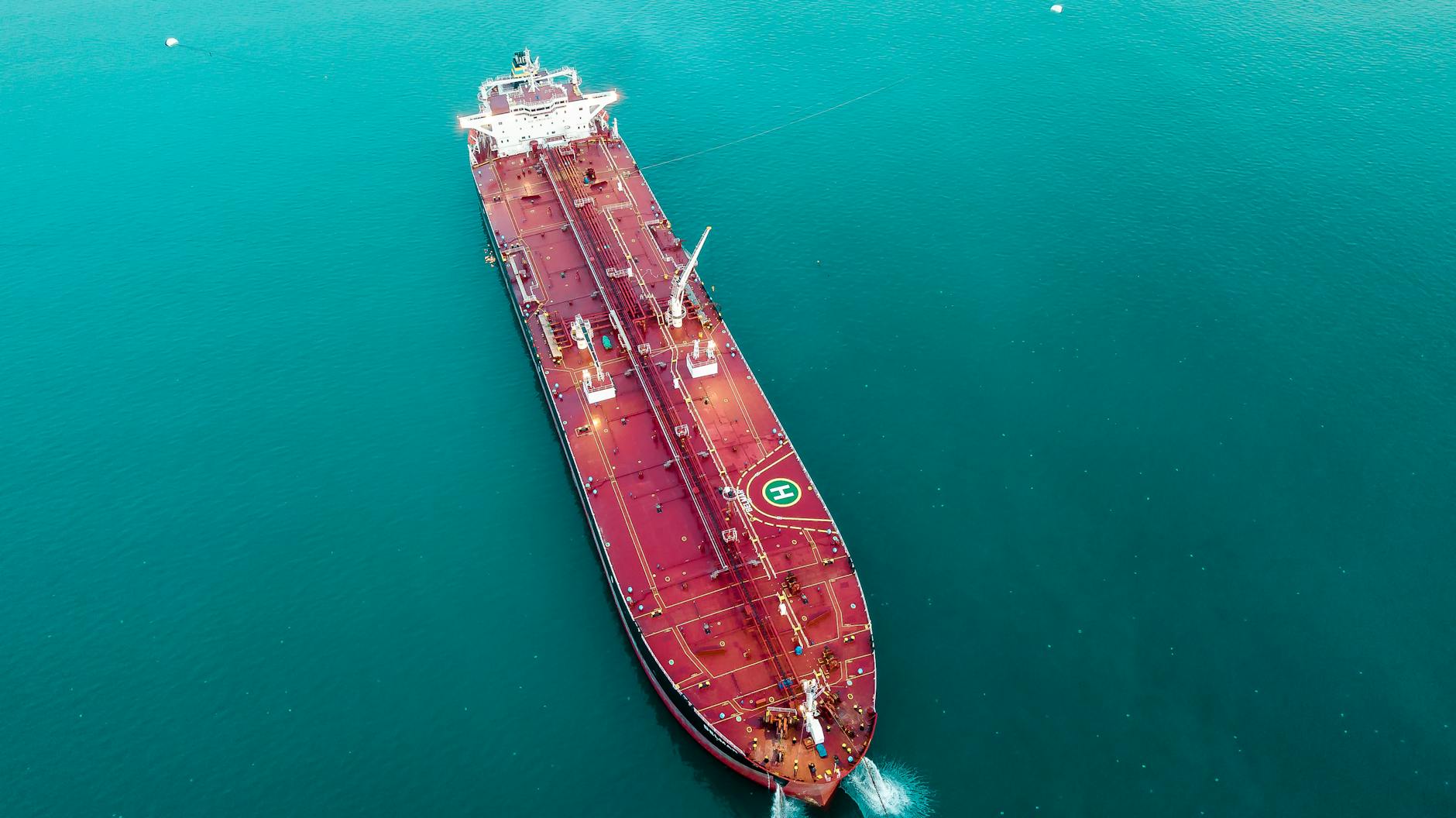
Iran’s Revolutionary Guards have closed the Strait of Hormuz to vessels linked to US or Israeli allies. Three container ships of various nationalities were turned back after warnings from the IRGC Navy. State media reported that any transit through the waterway faces harsh measures if linked to enemies. This blockade threatens to disrupt global shipping routes and commodity flows significantly.
US forces have launched more than 850 Tomahawk cruise missiles since the war began. Pentagon officials express alarm over the consumption rate of these precision weapons during sustained combat. Internal discussions focus on replenishing stocks to maintain operational capacity. The volume of fire suggests a high-intensity campaign designed to degrade Iranian capabilities rapidly. The Washington Post cited sources familiar with the matter regarding the stockpile depletion.
Cultural heritage sites across Iran have suffered extensive damage from the bombardment. At least 120 museums and historical buildings sustained serious structural damage, according to Tehran officials. UNESCO-listed locations such as Golestan Palace were among the targeted structures. The destruction of cultural assets adds a layer of historical loss to the human and military toll.
Diplomatic channels are attempting to mitigate the escalation despite active hostilities. Germany’s Foreign Minister Johann Wadephul reported indirect US-Iran negotiations planned for Pakistan. Representatives from both sides intend to meet shortly to discuss potential de-escalation steps. Such talks come as the UN Security Council holds closed-door consultations on the strikes.
The conflict has driven up global energy prices as markets anticipate further supply disruptions. Investors are monitoring the Strait of Hormuz situation closely for potential economic ripple effects. Regional allies of the United States are urging Washington to clarify its endgame strategy. The outcome of these negotiations will define the trajectory of Middle East stability for years to come. Analysts warn that prolonged instability could impact global inflation targets significantly.