Recent political appointments within the UK government, particularly at the Home Office, reveal a pattern where politicians of ethnic minority backgrounds are tasked with advancing stringent immigration policies. This trend was exemplified by former Home Secretary Sajid Javid, who stated that individuals matching his parents' entry criteria would now be barred from the United Kingdom.
This positioning is not merely biographical coincidence but reflects a calculated political logic, according to research from Aston University. When parties adopt hardline stances on migration, utilizing minority figures as public proponents can serve as a reputational shield against charges of racial exclusion.
The Home Office, responsible for border enforcement, has seen four consecutive Conservative Home Secretaries from ethnic minority backgrounds since 2018, including Priti Patel and Suella Braverman, who advocated for policies like the Rwanda deportation plan. Despite this rhetoric, overall net migration figures reportedly rose during this period, suggesting a divergence between political signaling and actual outcomes.
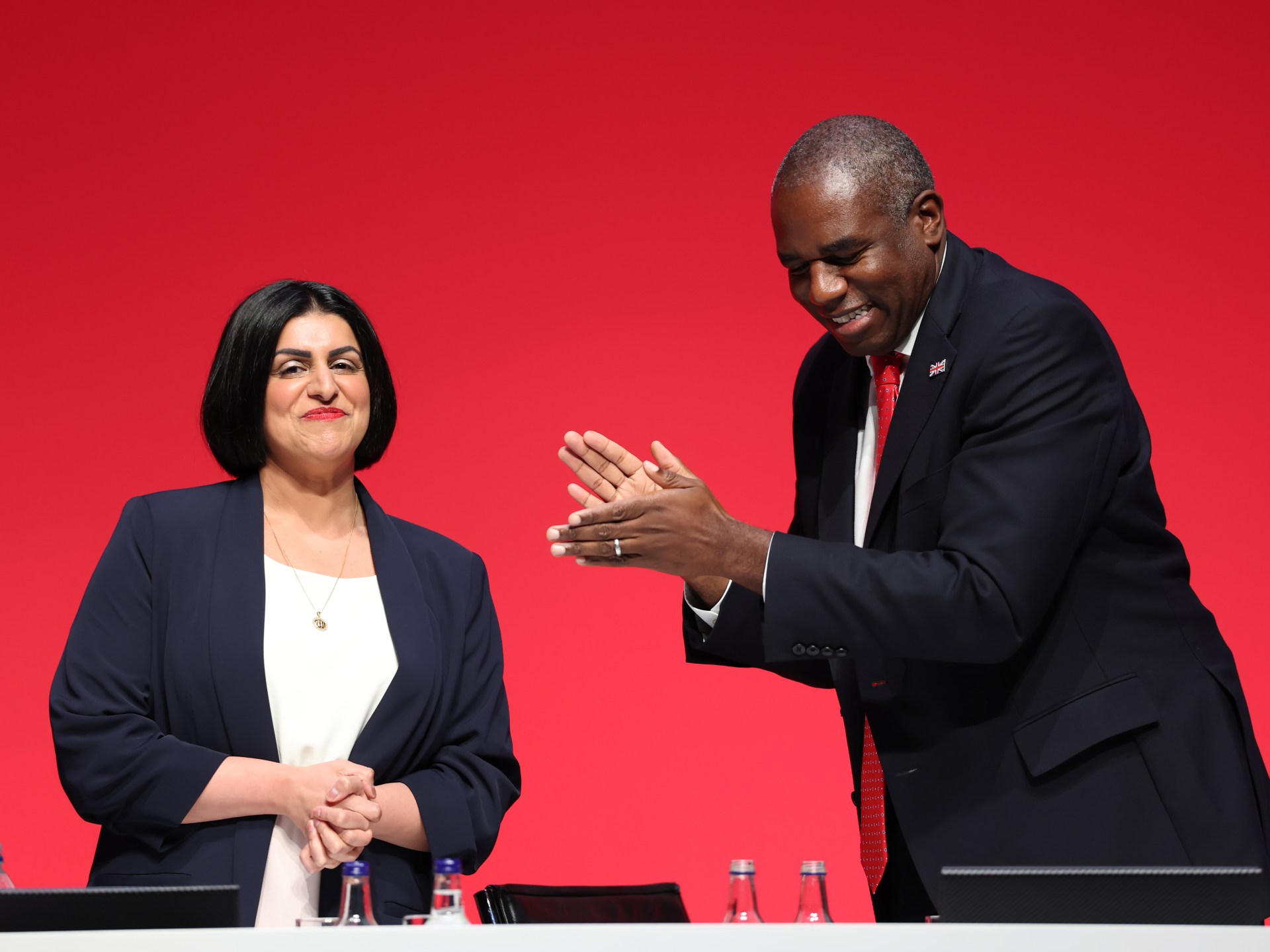
This dynamic has extended to the opposition Labour Party, which appointed Shabana Mahmood as Home Secretary to implement what she termed the most substantial asylum reform in a generation. Labour’s move suggests an absorption of the Conservative strategy, recognizing how minority representation can provide political cover for tightening border enforcement.
These politicians often frame their restrictive positions through narratives of fairness, legality, and order, arguing that irregular arrivals disadvantage those who followed established legal entry routes. This reframing shifts the public debate away from overt racial terms toward issues of national control and perceived equity.
However, this operationalization of representation does not negate the historical context of racialized immigration policy in the UK, from post-war restrictions to the 'hostile environment.' Instead, minority figures play a visible role in legitimizing these enforcement mechanisms.
The prominence of politicians of colour leading the crackdown is thus interpreted not as a paradox, but as a practical deployment of representation within a system historically intertwined with race and belonging. The core economic and social questions regarding citizenship remain central to the ongoing political discourse.