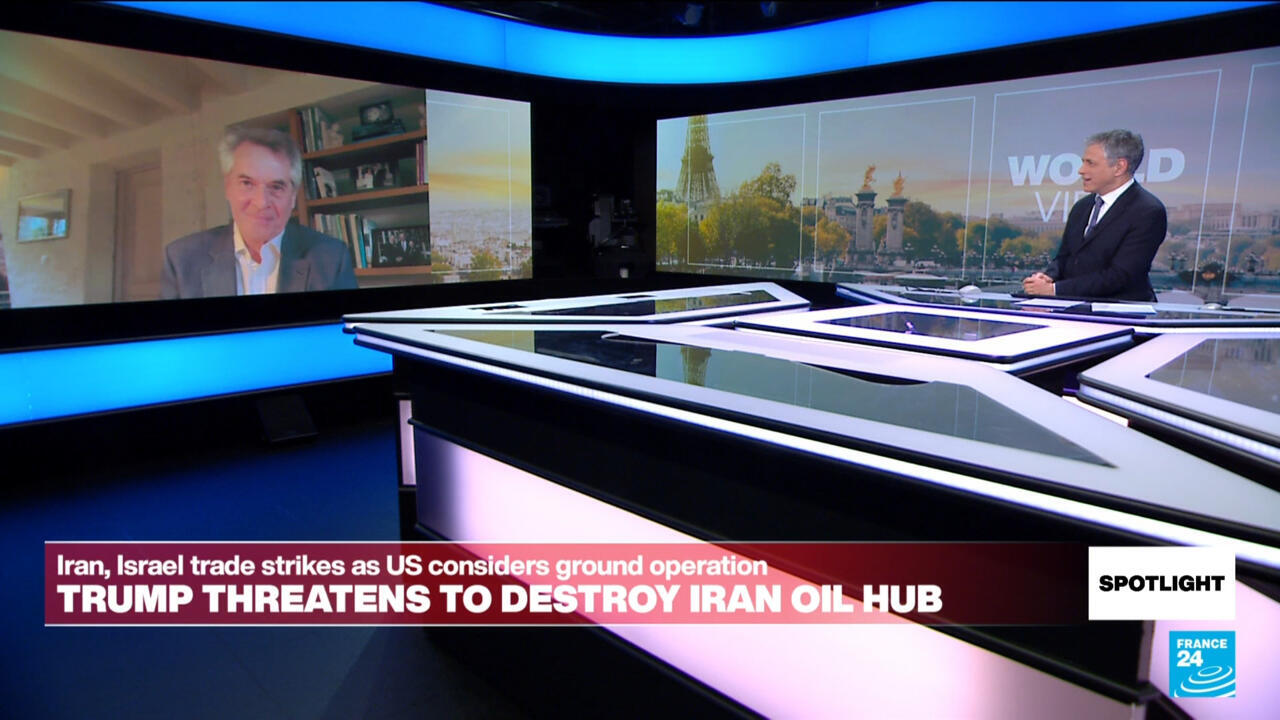
Sir Peter Westmacott told France 24 that the British government is inadvertently drawn into a US-driven conflict in Iran. He highlights the lack of strategic clarity and growing economic fallout from the escalating Middle East tensions. The former ambassador argues that current policies lack a discernible core objective.
Westmacott emphasized that traditional frameworks of diplomacy appear to have been bypassed in this recent crisis. Partners such as the United Kingdom and France now face reactive engagement while balancing security dependencies. This shift has left allies with limited consultation during critical decision-making phases.
The central challenge lies in the absence of a clear mission behind United States actions in the region. Westmacott described the policy trajectory as fluid and, at times, incoherent despite shifting justifications. This approach risks escalating instability while delivering uncertain strategic gains for all involved.
Strategic Deficiencies
From his perspective, the conflict is not a decisive campaign but an evolving and costly entanglement. The imperative now is to identify a viable diplomatic off-ramp before consequences deepen further. Regional and global stability remain at risk if the current trajectory continues unchecked.
Economic fallout from the war on Iran has sparked serious impacts worldwide according to the report. Allies are increasingly uneasy as they balance security dependencies with economic realities. Global markets are watching closely for signs of prolonged instability in the Middle East.
Westmacott noted that the absence of alliance coordination and legal justification complicates the situation. The UK and France find themselves in a position of managing security risks without clear direction. This dynamic places significant strain on transatlantic relations and regional security architecture.
Future Implications
What we are witnessing is not a clearly articulated strategic intervention, but rather a fluid policy trajectory, Westmacott said.
The statement underscores the concern regarding the lack of alliance coordination in the current crisis. Legal justifications and strategic clarity appear to have been secondary to shifting political rationales. The situation requires immediate attention to prevent further diplomatic friction.
Future developments depend on how the United States defines its core objectives in the region. Monitoring international responses and economic indicators will be crucial for assessing stability. Diplomatic off-ramps remain the priority to mitigate long-term damage to global security.