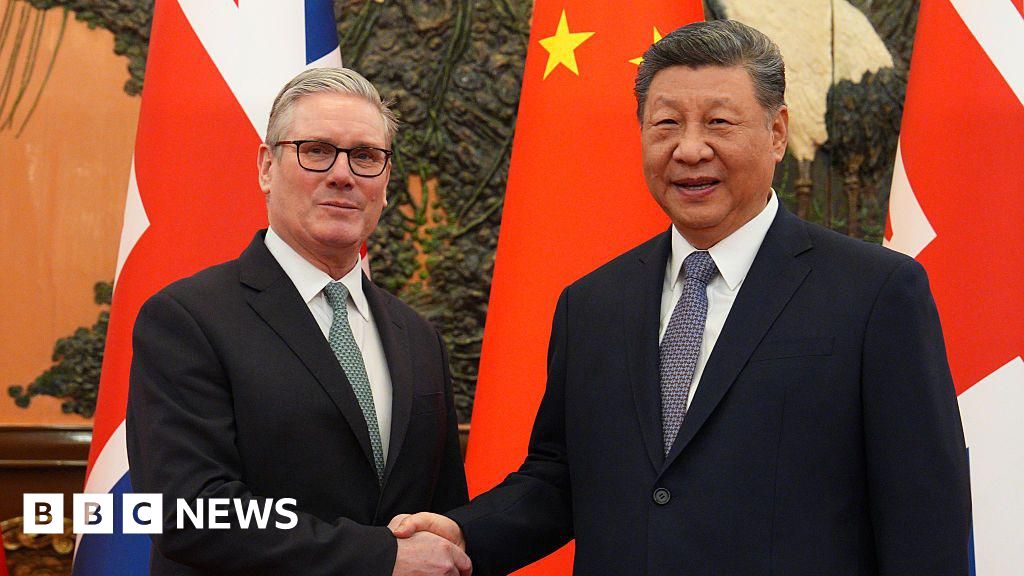
Sir Keir Starmer's recent trip to China represents the clearest indication yet that both nations seek to move past the diplomatic frost that characterized recent relations. Both the UK leadership and Beijing are reportedly seeking new avenues for trade and investment to address domestic economic pressures, according to reports from the visit.
For the UK Prime Minister, the visit served to showcase the competitiveness of British sectors, specifically naming finance, pharmaceuticals, healthcare, clean energy, and automotive manufacturing. Concurrently, President Xi Jinping aimed to project China as a stable economic partner, a message underscored by ongoing trade tensions emanating from the United States.
The most substantial commercial commitment announced was AstraZeneca’s pledge to invest $15 billion over the next four years to expand its research and drug manufacturing footprint within China. Furthermore, Octopus Energy confirmed its entry into the Chinese electricity trading market via a partnership with PCG Power, focusing on digital platforms for renewable energy integration.
In a move welcomed by Scottish industry, Beijing agreed to halve tariffs on Scotch whisky exports, a deal the UK government estimates could generate £250 million for the British economy over five years. This outcome was cited by Starmer as evidence that pragmatic international engagement delivers tangible domestic benefits, bolstering a key export sector.
Beyond commerce, the visit secured reciprocal visa-free travel for British citizens visiting China for up to 30 days for business or tourism, aligning the UK with approximately 50 other nations. Both governments also agreed to enhance cooperation on disrupting migrant-smuggling networks, a stated priority for the British administration.
For Beijing, re-engaging with the UK, a major European economy and close US ally, helps counter narratives suggesting isolation amid US trade volatility. Economically, this reset secures access for Chinese high-value exports like electric vehicles while opening opportunities for Chinese capital in UK services and green technology sectors.
This diplomatic recalibration places Starmer in alignment with other European leaders from France and Canada who are reportedly seeking to diversify trade relationships. The challenge remains balancing this engagement with maintaining the critical transatlantic alliance, a tightrope Starmer insists the UK can walk without making an exclusive choice between Washington and Beijing.