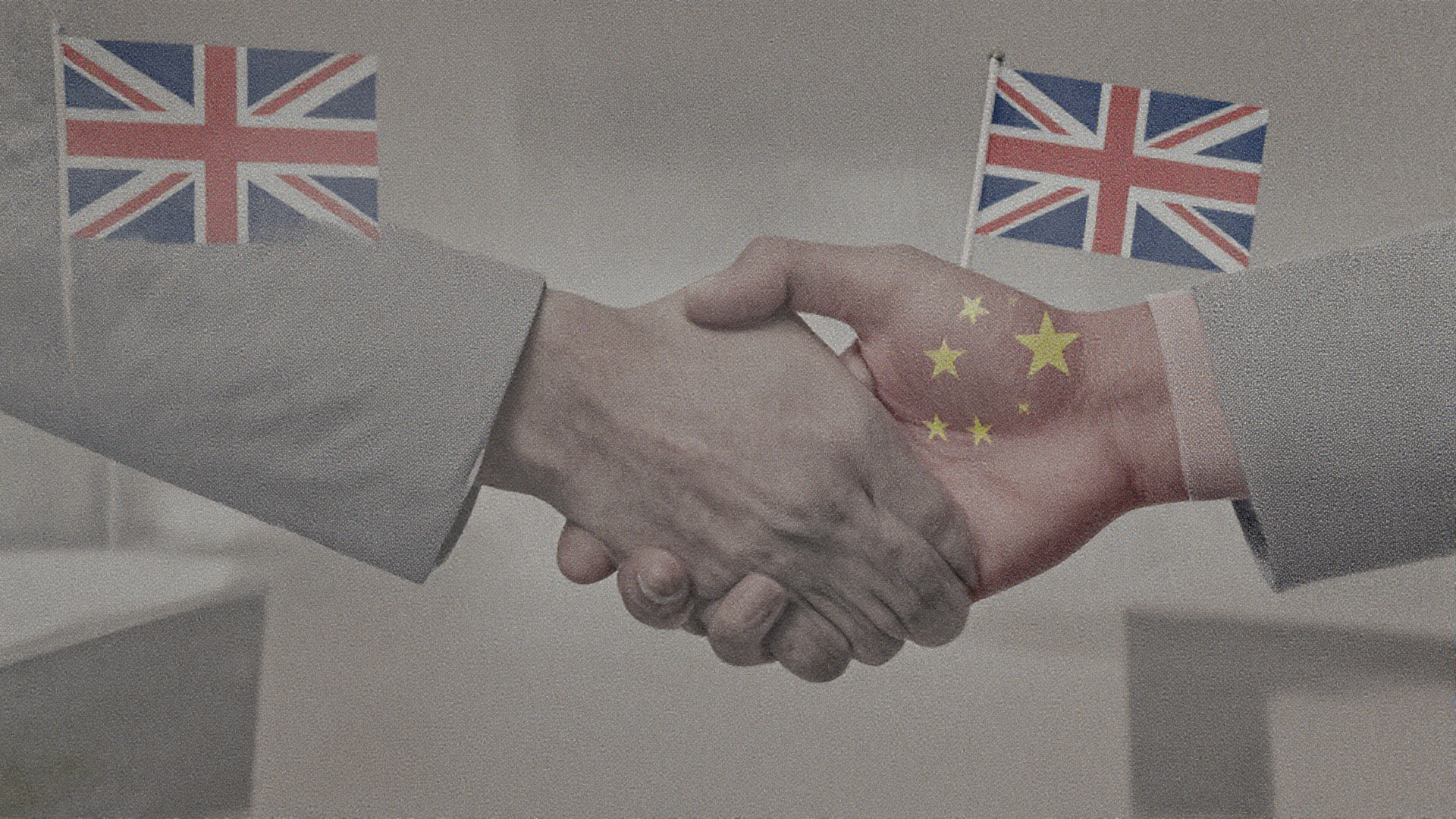
British Prime Minister Keir Starmer concluded high-level meetings in Beijing, signaling a strategic pivot toward a 'more sophisticated relationship' with China focused on trade and investment. The visit secured immediate concessions, including visa facilitation and tariff reductions, while navigating geopolitical tensions and domestic security concerns.
LONDON/BEIJING – The United Kingdom and China have publicly endorsed a significant recalibration of their bilateral relationship following a summit between Prime Minister Keir Starmer and President Xi Jinping. This engagement marks a deliberate effort by the UK government to stabilize and deepen economic ties with the world's second-largest economy, a move underpinned by the pursuit of domestic economic growth.Starmer, leading a large delegation of business executives, emphasized the need for a relationship capable of identifying mutual opportunities while maintaining the capacity for 'frank dialogue' on areas of disagreement, including human rights and security. The summit resulted in tangible short-term benefits for London, notably a 30-day visa-free access arrangement for British nationals and a commitment from Beijing to halve tariffs on Scotch whisky imports.Economically, the visit was highlighted by a substantial commitment from AstraZeneca, which announced a $15 billion investment into its Chinese operations, positioning collaboration in pharmaceutical innovation as a cornerstone of the renewed partnership. This investment underscores the Labour government's strategy to leverage engagement for tangible economic returns, despite internal criticism regarding security risks posed by Beijing.Geopolitically, the timing of Starmer’s visit is notable. It occurs as Western allies grapple with the volatility stemming from unpredictable policy shifts in Washington, prompting European capitals to seek more direct and stable avenues for trade engagement. Starmer’s push for improved market access and reduced tariffs directly addresses long-standing friction points in the UK-China trade balance.However, the rapprochement is not without friction points. Starmer confirmed raising the controversial case of Jimmy Lai, the Hong Kong media tycoon, during discussions, indicating that security and governance issues remain on the agenda, albeit framed within a broader context of cooperation. This dual approach—economic outreach coupled with pointed diplomacy—defines the 'sophisticated' framework London seeks.Furthermore, the two nations agreed on a security cooperation mechanism aimed at combating transnational crime, specifically targeting gangs involved in smuggling illegal migrants across the English Channel, utilizing Chinese-made boat engines. This pragmatic security alignment offers immediate domestic policy relief for the UK government.The visit signals a departure from the more overtly confrontational posture adopted by previous Conservative administrations, which had curtailed Chinese investment over national security reviews. While the opposition Conservative Party has voiced skepticism regarding the security implications of closer ties, Starmer’s administration is clearly prioritizing economic stabilization over ideological divergence in the near term.The consensus in Beijing, as articulated by Commerce Minister Wang Wentao, reflects a desire for a predictable investment climate in the UK, suggesting mutual interest in de-escalating recent diplomatic tensions. This strategic balancing act positions the UK to navigate the complex global economic landscape, seeking partnership where possible while maintaining sovereign red lines. (Reporting based on information from Reuters and associated international correspondents.)