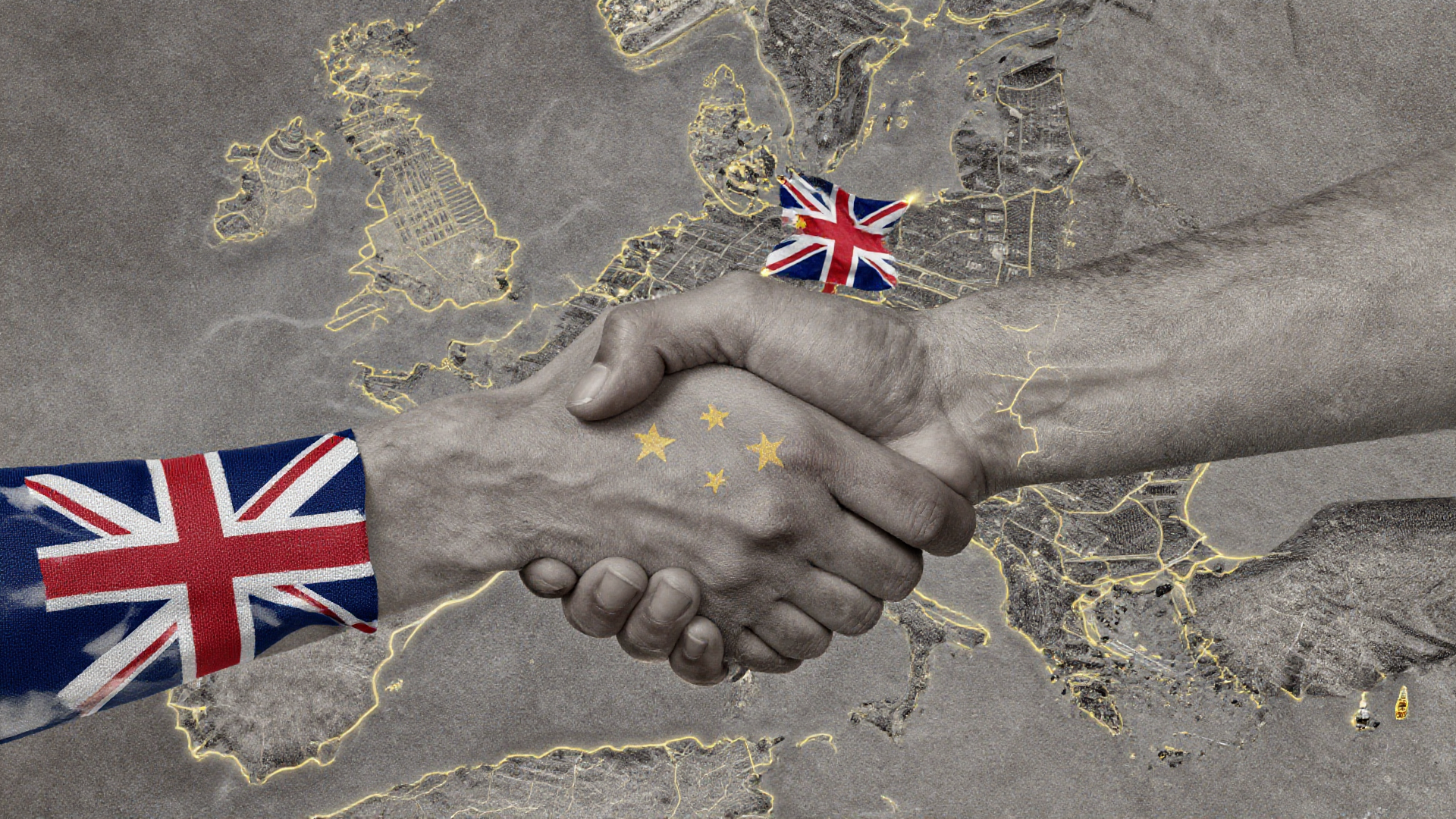
Beijing confirmed a tangible thawing of relations with the United Kingdom following a high-level summit between Prime Minister Keir Starmer and President Xi Jinping. The engagement, the first of its kind in eight years for a British premier, focused on recalibrating the economic partnership, with both sides pledging greater cooperation across trade, technology, and investment sectors.
Starmer, prioritizing economic rejuvenation for his Labour government, advocated for a 'more sophisticated relationship' characterized by improved market access and tariff reductions. Beijing reciprocated with immediate concessions, notably agreeing to 30 days of visa-free entry for British nationals and halving tariffs on Scotch whisky imports. This diplomatic outreach coincided with a substantial financial commitment, with UK pharmaceutical giant AstraZeneca announcing a $15 billion investment into its Chinese operations, signaling confidence in the newly stabilized environment.
Geopolitical context heavily frames this rapprochement. Starmer's visit follows mounting anxiety among traditional US allies regarding the strategic unpredictability emanating from Washington. The renewed focus on bilateral stability with the world's second-largest economy suggests a pragmatic hedging strategy by the UK government against shifting global alliances and potential trade volatility.
Despite the warmth displayed during the summit proceedings—which reportedly touched on shared interests like English football and literature—Starmer maintained a posture of robust engagement on difficult subjects. He confirmed raising the case of Jimmy Lai, the imprisoned Hong Kong media tycoon, asserting that closer ties facilitate more effective 'frank dialogue' when disagreements arise, particularly concerning human rights and security frameworks.
Economically, the UK delegation, comprising over 50 business leaders, sought tangible outcomes to bolster domestic growth targets. Beyond direct trade facilitation, a notable security collaboration was announced: joint efforts to dismantle smuggling networks, specifically targeting the flow of Chinese-made components used in small boats facilitating illegal migration across the English Channel.
However, this strategic pivot is not without domestic political headwinds. Opposition figures in the UK have voiced sharp criticism, citing persistent concerns over industrial espionage and Beijing's human rights record as reasons to maintain a more guarded posture. The Conservative opposition leader explicitly stated she would not have undertaken the visit due to these security risks.
Chinese officials underscored their commitment to a long-term partnership, with Commerce Minister Wang Wentao emphasizing deeper services trade and the desire for a 'predictable investment environment' within the UK. The consensus emerging from Beijing suggests a readiness to move past the 'twists and turns' that previously strained diplomatic and economic interactions.
This realignment by the Starmer administration represents a calculated move to de-risk economic exposure while maintaining necessary channels for engagement with a critical global power, setting a template for future Western engagement that balances commercial imperatives with stated values. (Source: Based on reporting from Reuters and associated global outlets.)