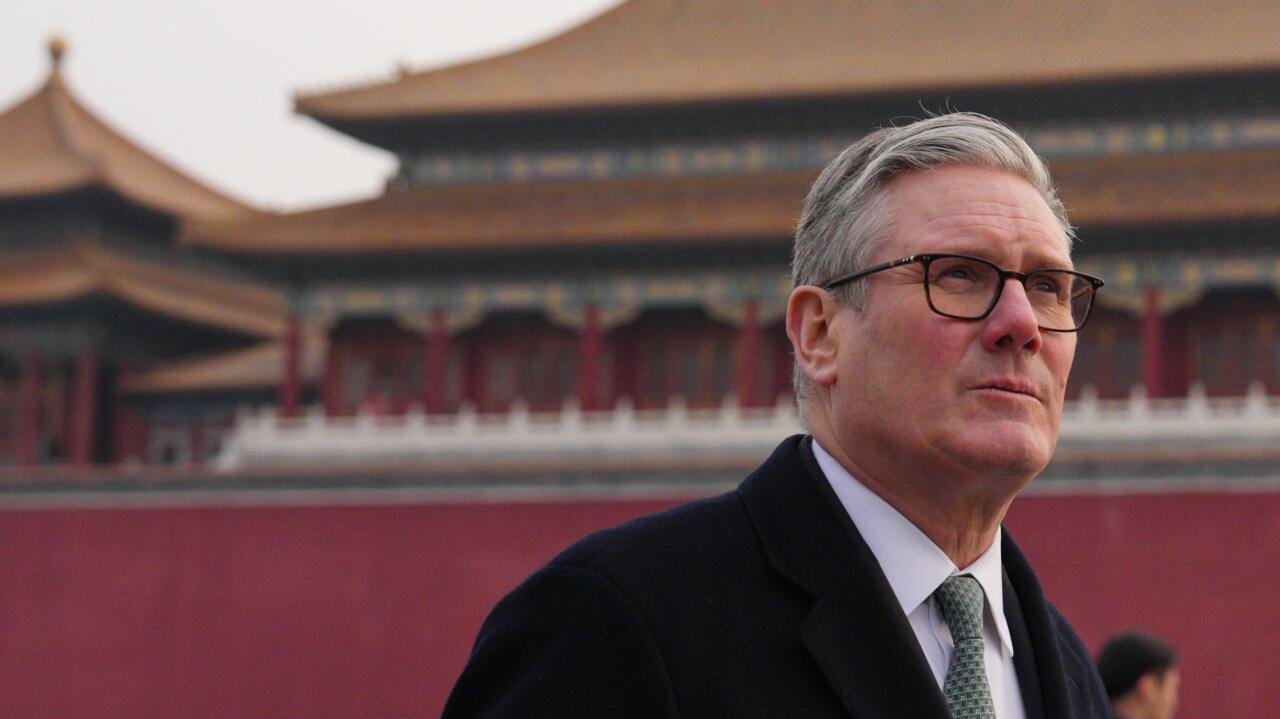
In a significant diplomatic engagement, British Prime Minister Keir Starmer and Chinese President Xi Jinping have jointly called for the enhancement of their bilateral relationship, aiming for a more robust "comprehensive strategic partnership." This renewed focus on cooperation comes at a critical juncture where established international frameworks are under strain from rising protectionism and geopolitical friction.
The joint declaration underscores a pragmatic recognition in both capitals that maintaining stable economic and diplomatic channels with major global players remains paramount, regardless of ideological divergences. For the UK, this pivot represents an attempt to balance security concerns, often aligned with transatlantic partners, against pressing domestic economic needs requiring access to the vast Chinese market.
Although neither leader directly referenced former U.S. President Donald Trump or the potential ramifications of his return to power, analysts suggest the timing is hardly coincidental. The prospect of a renewed 'America First' doctrine, characterized by transactional diplomacy and skepticism toward multilateral alliances, appears to be catalyzing secondary powers to solidify their own regional and bilateral arrangements.
Beijing, facing sustained pressure from Washington on trade, technology transfer, and human rights, views engagement with key European economies like the UK as crucial for diversifying international support and mitigating concentrated external pressure. Deepening ties with London offers China a vital channel into G7 discussions outside of direct confrontation.
From a purely economic perspective, the emphasis on strategic partnership suggests an intent to safeguard supply chains and foster collaboration in areas deemed mutually beneficial, potentially spanning green technology investment and financial services integration, despite ongoing scrutiny over national security implications in sensitive sectors.
This Anglo-Chinese recalibration highlights a broader trend across the international system: as the post-Cold War consensus fractures, middle and major powers are prioritizing strategic autonomy, leading to complex, multi-vector foreign policies designed to hedge against instability emanating from the world's dominant superpower.
Future stability in the UK-China relationship will hinge on navigating inherent tensions—particularly regarding technology export controls and regional security postures—while maximizing the agreed-upon areas of strategic cooperation. The commitment signals a formal effort to manage divergence rather than accelerate confrontation.
(Source: Based on reporting from France 24 and related international news wires.)