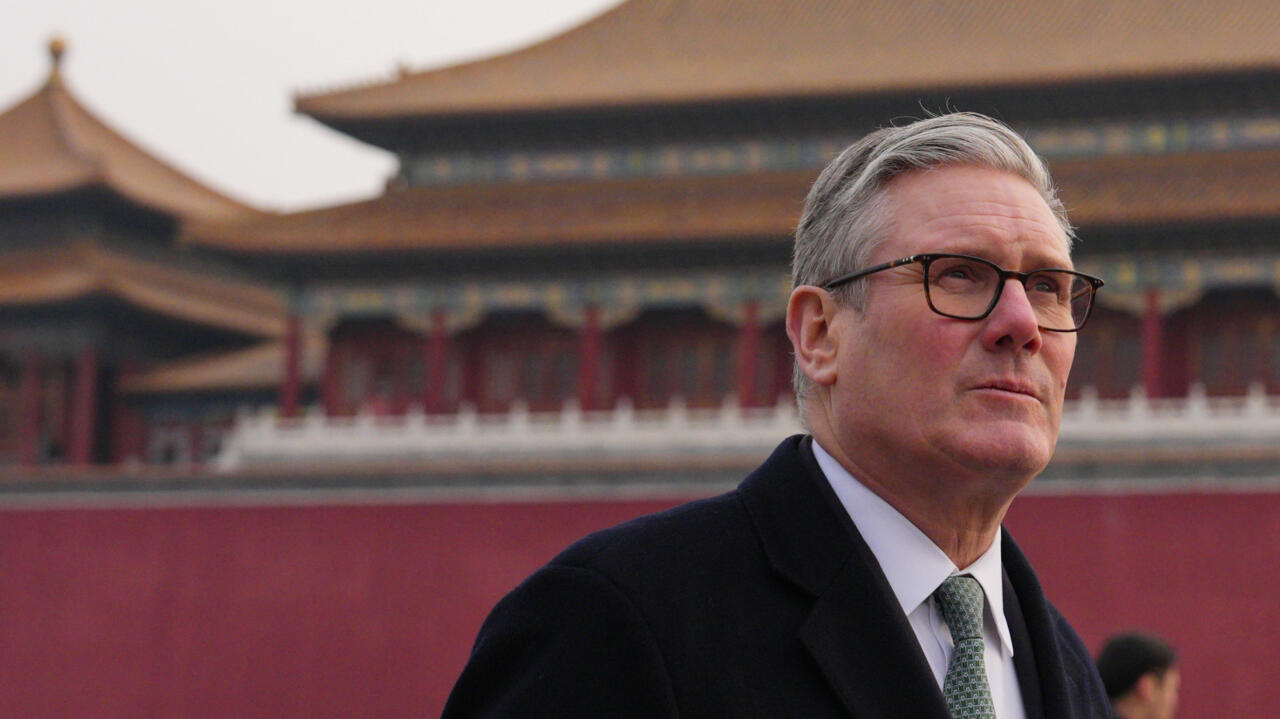
British Prime Minister Keir Starmer and Chinese President Xi Jinping called Thursday for the deepening of bilateral relations through a "comprehensive strategic partnership." The joint declaration signals a desire by both nations to stabilize and expand economic and diplomatic engagement amid rising global geopolitical friction. The announcement was made as both capitals navigate complex international realignments, according to reports from Beijing.
While neither leader explicitly named former U.S. President Donald Trump, analysts suggest his potential return to office and his transactional approach to alliances heavily influenced the timing of this joint statement. The leaders appear motivated to secure a stable bilateral framework independent of unpredictable shifts in Washington's foreign policy doctrine. This move reflects a broader trend of major powers seeking bilateral anchors in turbulent times.
Details regarding the scope of the partnership were sparse following the announcement, though sources indicated discussions covered areas including trade facilitation, climate change initiatives, and security dialogues. For the United Kingdom, securing stable trade access to the massive Chinese market remains a critical economic objective as it finalizes post-Brexit trade agreements.
President Xi emphasized China's commitment to multilateralism, a stance often contrasted with the perceived unilateral tendencies of recent U.S. administrations. This framing allows Beijing to position itself as a reliable partner for nations seeking continuity in global governance structures. The emphasis on cooperation suggests a mutual interest in mitigating risks associated with protectionist economic policies.
Economic data indicates that despite recent political tensions, trade volumes between the nations remain substantial, underscoring the deep integration of their respective supply chains. Strengthening the strategic partnership is viewed by some in London as a necessary mechanism to manage trade irritants while preserving crucial market access.
From the perspective of global economic stability, such high-level alignment between two major G20 economies offers a counter-narrative to rising fragmentation. The call for deeper ties suggests a shared calculation that mutual dependence offers greater predictability than escalating geopolitical competition in key sectors.
Looking ahead, the focus will shift to the implementation mechanisms underpinning this renewed partnership, particularly concerning regulatory alignment and investment safeguards. Observers will scrutinize the first concrete agreements reached under this enhanced framework to gauge the true depth of the renewed commitment.