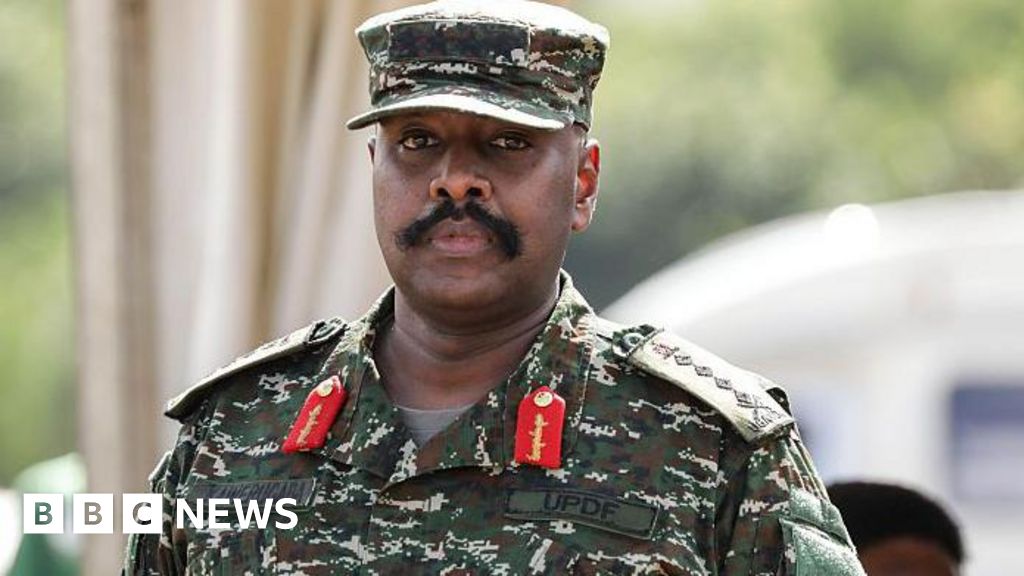
General Muhoozi Kainerugaba, Commander of the Uganda People's Defence Force, posted controversial statements on the X social media platform regarding the recent presidential election and threats against opposition candidate Bobi Wine, according to reports. These posts, which included a threat to castrate the defeated opposition leader, were later removed by the general.
Kainerugaba's actions occur as his father, President Yoweri Museveni, secured a seventh term amid accusations of electoral fraud from the opposition. Analysts suggest the 81-year-old president is positioning his 51-year-old son as a likely successor, fueling concerns over dynastic succession in Kampala.
Analysts describe an informal governing structure dubbed the 'unholy alliance,' comprising President Museveni, General Kainerugaba, and the President's brother and advisor, Salim Saleh. Nicodemus Minde of the Institute for Security Studies noted this description, likening the structure to a secular trinity where Saleh acts as a powerful influence behind the scenes regarding finance and business access.
Following the election results, which gave Museveni over 70% of the vote, Kainerugaba issued an ultimatum to Bobi Wine, demanding surrender to police or facing treatment as an outlaw. Wine, who claimed the results were fabricated due to widespread ballot-stuffing, dismissed the threats after they were posted, leading to a brief, public exchange with the general.
The general has a history of provocative social media activity, earning him the moniker 'the tweeting general,' including past threats to invade neighboring Kenya, which required presidential intervention. Kainerugaba later apologized for some of his recent posts, citing receipt of 'wrong information,' and announced an intention to reduce his activity on the platform.
Security analysts note that Kainerugaba's rhetoric often aligns with domestic succession politics, possibly serving to endear him to his father, despite potentially damaging international ties. The general has acknowledged that security forces detained approximately 2,000 people and killed at least 30 following the recent polls, a context of repression noted by international observers.
Kainerugaba also played a role in the four-day internet blackout around the election period, though he later announced the restoration of access to social media platforms. His actions are viewed by critics as decisive enforcement against perceived threats to the established order, reinforcing the security-focused nature of his role.