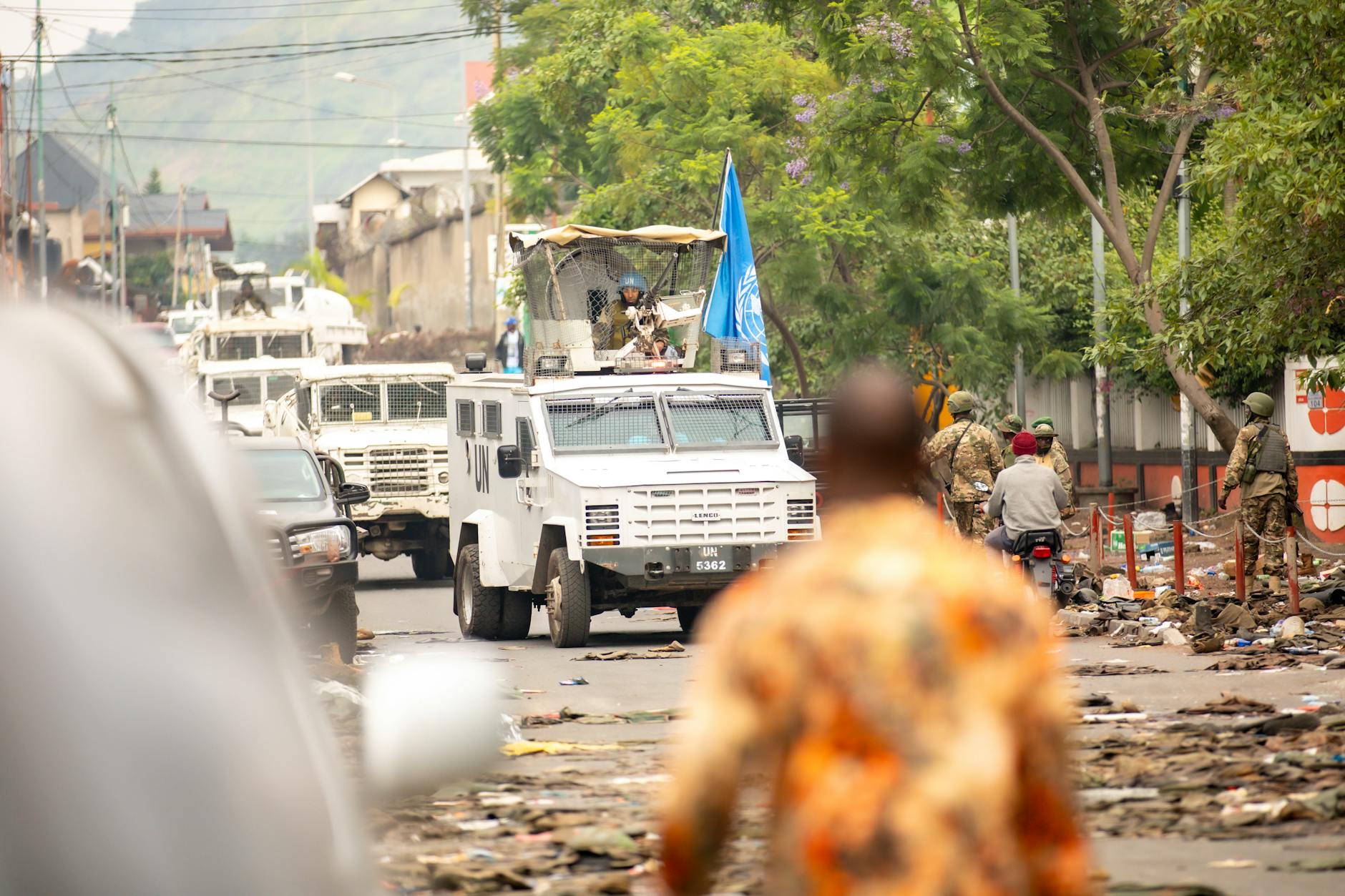
Two Indonesian peacekeepers were killed on Monday in a roadside explosion in southern Lebanon, according to the United Nations. The incident marks the second fatality involving Indonesian personnel within 24 hours amid escalating regional tensions. Initial reports indicate the vehicle was destroyed near the village of Bani Hayyan. Reported by the BBC, the UN peacekeeping chief Jean-Pierre Lacroix confirmed the details. The deaths highlight the ongoing risks faced by international forces in the volatile border region.
Key Details
The United Nations Interim Force in Lebanon stated the blast originated from an unknown source. A third peacekeeper sustained severe injuries while a fourth required medical attention for related wounds. Unifil confirmed the convoy was struck by what investigators describe as an improvised explosive device. Two Indonesian soldiers died in the attack, raising concerns about safety protocols. The UN has launched a full investigation to determine the exact cause and origin.
Stéphane Dujarric, spokesperson for the UN secretary-general, briefed the Security Council regarding the findings. He noted the Monday attack most likely involved an explosive device planted on the roadside. Dujarric added that the Sunday incident likely resulted from an explosive landing within their position. He emphasized that peacekeepers act on behalf of the international community and require protection. Everyone needs to ensure they are protected and never targeted in conflict zones.
Geopolitical Context
These fatalities occur shortly after Israel announced intensified ground and air operations against Hezbollah. The Israeli military claims the armed group has not adhered to the November 2024 ceasefire terms. Hezbollah, backed by Iran, continues firing rockets into Israel following US-Israeli strikes on Tehran. Regional instability often impacts trade routes and humanitarian aid flows in the Middle East. The UN urges Lebanon and Israel to use the mechanism for dialogue to de-escalate tensions.
The Israel Defense Forces issued a statement denying responsibility for the Bani Hayyan incident. Their operational examination indicated no IDF troops were present in the area during the strike. The military group also reported four of its own soldiers killed in combat elsewhere in the south. 1,268 people have been killed in Lebanon since the ceasefire began, according to the Lebanese health ministry. This includes 124 children, underscoring the human cost of the ongoing conflict.
Antara, an Indonesian government agency, identified the soldiers killed on Sunday as Chief Private Farizal Rhomadhon. Captain Zulmi Aditya Iskandar and First Sergeant Muhammad Nur Ichwan were named in connection with the Monday blast. Unifil extended condolences to the families of these peacekeepers in a formal statement. Unifil has served as a buffer between Israel and Lebanon since 1978. Approximately 339 peacekeepers have died since the mission began its operations.
What Comes Next
Dujarric emphasized that peacekeepers act on behalf of the international community and require protection. He urged both nations to utilize the Unifil mechanism for dialogue to prevent further escalation. The bottom line remains that Lebanon requires respect for its sovereignty and territorial integrity. Investigations into both incidents will continue to clarify the circumstances surrounding the deaths. The international community watches closely for any further destabilizing events in the area.
The UN Security Council will likely review the safety measures for peacekeeping operations in the region. Regional stability is crucial for maintaining diplomatic channels between Israel and Lebanon. 2024 has seen near-daily strikes on Hezbollah targets despite the ceasefire agreement. Future operations may require enhanced security protocols for convoys patrolling the Blue Line. The situation remains precarious as both sides accuse each other of violating the terms. Regional leaders will need to address these safety concerns before further losses occur.