Former President Donald Trump’s recent remarks delivered during the periphery of the World Economic Forum (WEF) in Davos have provided significant, albeit provocative, insight into his potential future economic and energy policy orientation. Targeting European allies directly, Trump argued that the continent's perceived economic malaise is largely self-inflicted, stemming from an over-reliance on subsidized and intermittent renewable energy sources.
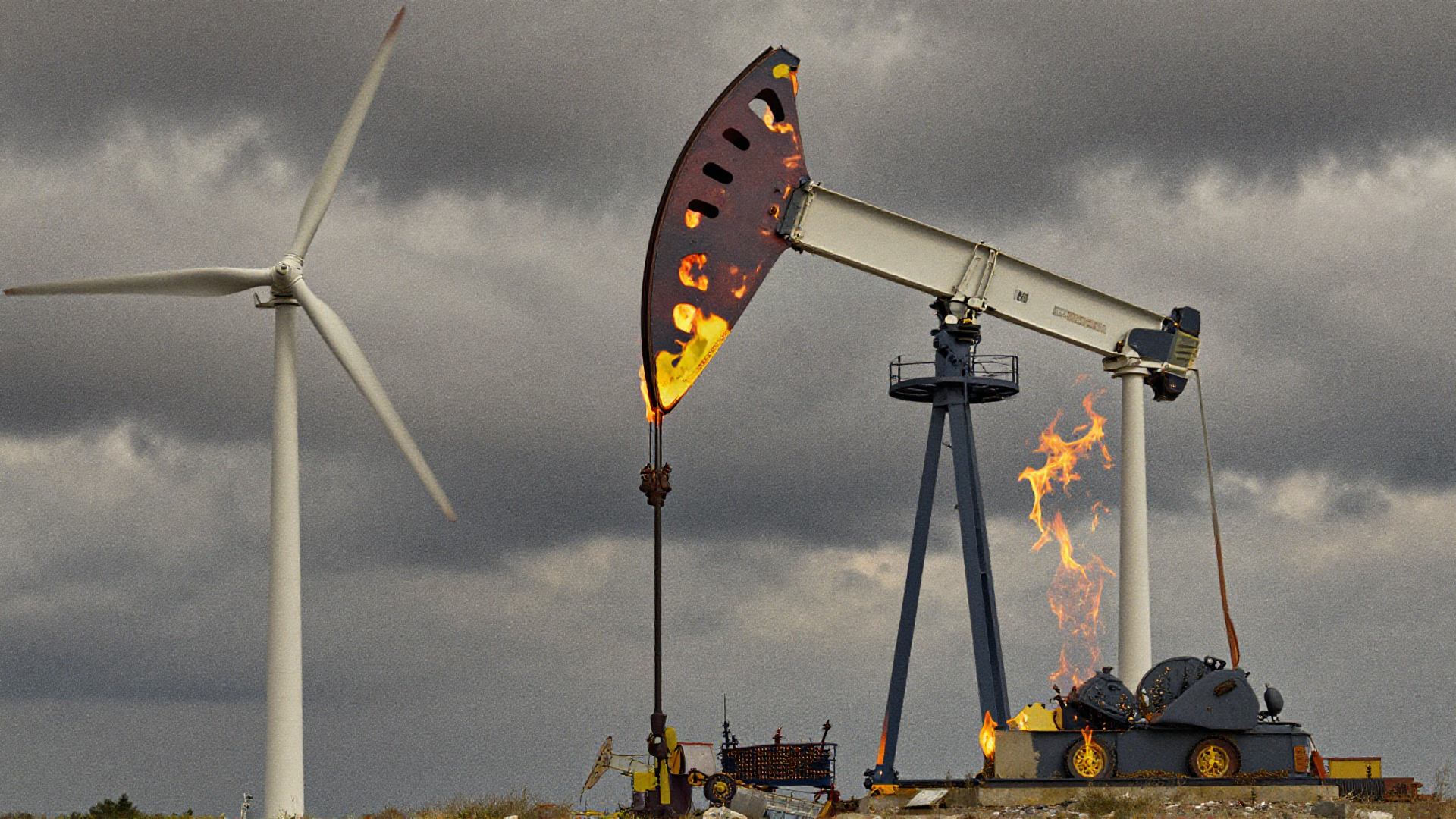
Central to his critique was the characterization of green energy initiatives as a "Green New Scam," which he asserted has displaced reliable, affordable power generation with costly and unstable alternatives. This framing positions climate mitigation efforts not as an environmental necessity, but as a direct impediment to industrial competitiveness and energy security—a recurring theme in Trump's platform.
While the WEF gathering typically focuses on consensus-building regarding global challenges, Trump’s address served to underscore the deep ideological fissures separating Washington's potential future direction from current European climate commitments. Such rhetoric is closely monitored by global markets, where energy security and regulatory certainty are paramount for long-term capital deployment.
Beyond energy, the context of the speech, as analyzed by observers present at Davos, highlighted broader strategic disagreements concerning NATO and trade frameworks. However, the explicit linking of renewable mandates to European economic underperformance carries significant geopolitical weight, suggesting a potential future policy aimed at challenging established decarbonization trajectories.
The implications for global trade and transatlantic investment are substantial. A shift away from incentivizing green technology deployment, or the imposition of tariffs targeting imports deemed unfairly subsidized by climate policies, could significantly recalibrate supply chains already strained by recent geopolitical instability.
This narrative—that the transition to renewables inherently damages industrial capacity—is one that resonates with segments of the U.S. electorate and signals a clear policy divergence from the current administration’s focus on clean energy incentives. The market reaction will likely hinge on the perceived viability of these statements translating into enforceable executive action.
This analysis is based on reporting from observers covering the events surrounding the World Economic Forum in Davos, Switzerland (Source: Ground News analysis of event coverage).