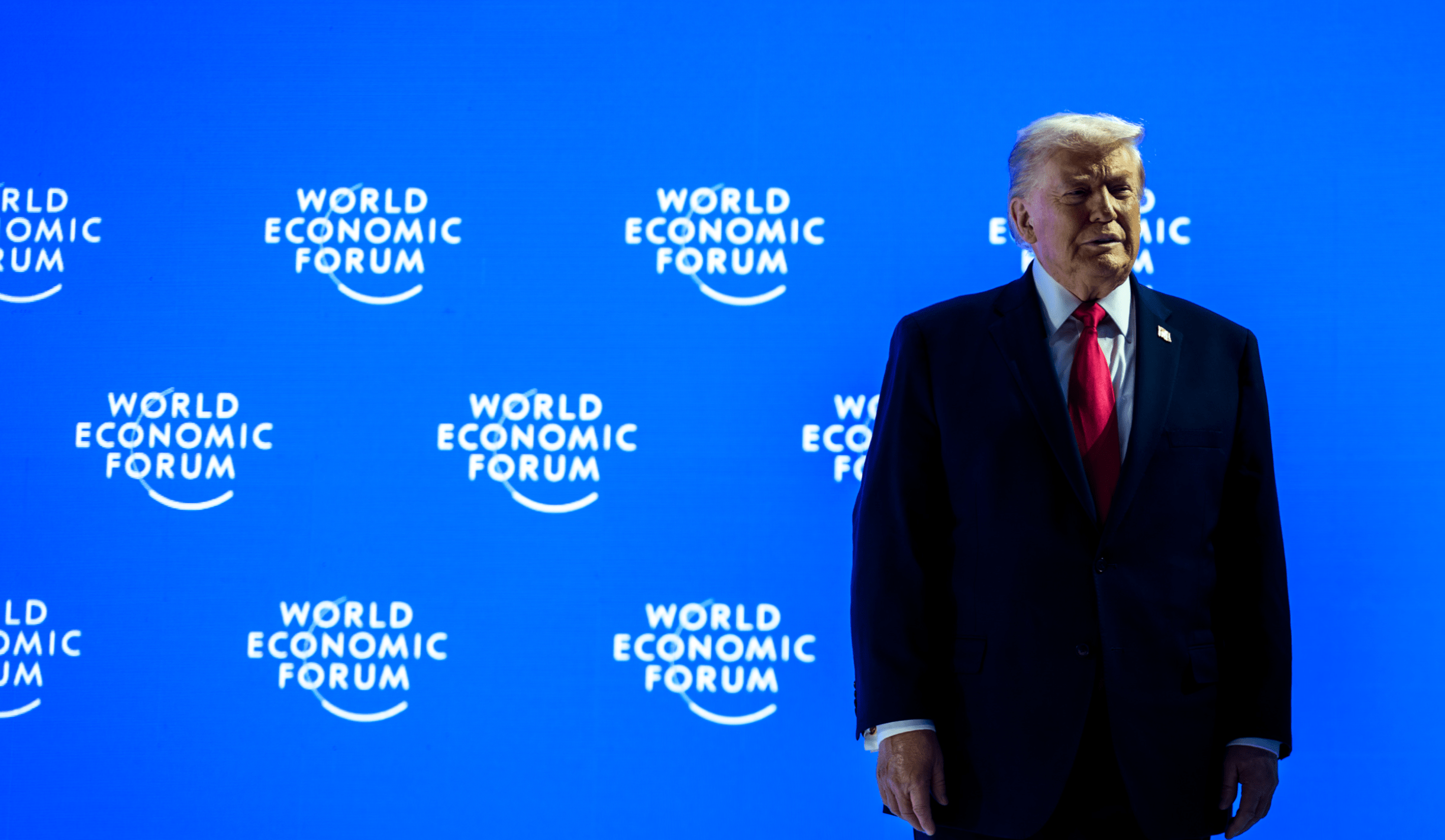
The annual World Economic Forum (WEF) in Davos, frequently derided as an insulated echo chamber for global elites, witnessed an undeniable resurgence in immediate relevance this year, primarily driven by the high-profile attendance and assertive agenda of former U.S. President Donald Trump. His presence catalyzed intense diplomatic activity in the Swiss Alps, overshadowing typical corporate networking sessions.
Trump’s engagement was characterized by strategic geopolitical maneuvering. The acquisition proposal for Greenland became a focal point, leading to formal discussions and the announcement of a 'framework of a future deal' following talks with NATO Secretary-General Mark Rutte. Furthermore, the forum served as a venue for high-level engagement on the conflict in Ukraine, as Trump met with President Volodymyr Zelensky amid his ongoing diplomatic 'Board of Peace' initiative.
This shift toward high-stakes diplomacy underscored a perceived return to Davos’s foundational purpose, as noted by Latvian President Edgars Rinkevics, who observed unprecedented interest in Trump’s appearances. The forum facilitated direct engagement, disagreement, and bridge-building—elements critics claim have been absent in recent, more corporately focused gatherings.
However, the underlying ideological tension remained palpable. The Trump administration aggressively promoted an 'America First' doctrine, directly challenging the WEF’s long-standing pro-globalization ethos. A Commerce Department official explicitly labeled globalization a 'failed policy' that had betrayed Western nations, setting a confrontational tone against the forum’s traditional creed.
This year also marked a pivotal transition for the WEF itself, following the departure of founder Klaus Schwab. Interim co-chair Larry Fink of BlackRock acknowledged the crisis of trust facing the institution. Fink suggested recalibrating the forum’s focus, perhaps by holding future events in emerging industrial hubs like Detroit or Dublin, to better reflect where the 'modern world is actually being built.'
Despite the geopolitical drama, the core function of Davos as a nexus for corporate titans remained intact. CEOs from major technology firms, including Apple and Nvidia, prioritized meetings with Trump, viewing the event as indispensable for high-level corporate strategy, particularly concerning AI implementation. As Salesforce CEO Marc Benioff asserted, for the majority of corporate attendees, the fundamental business operations—not geopolitical shifts—remained paramount, suggesting a dual reality within the congress center.
The forum hosted rare moments of consensus, including a standing ovation for former Bank of England Governor Mark Carney, whose speech highlighted a 'rupture' in the global order—a sentiment that reportedly drew ire from the visiting U.S. delegation. The convergence of high-level political confrontation and critical business strategy suggests Davos temporarily recaptured its status as a crucial, albeit contentious, global stage.
(Source: Adapted from canadianaffairs.news)