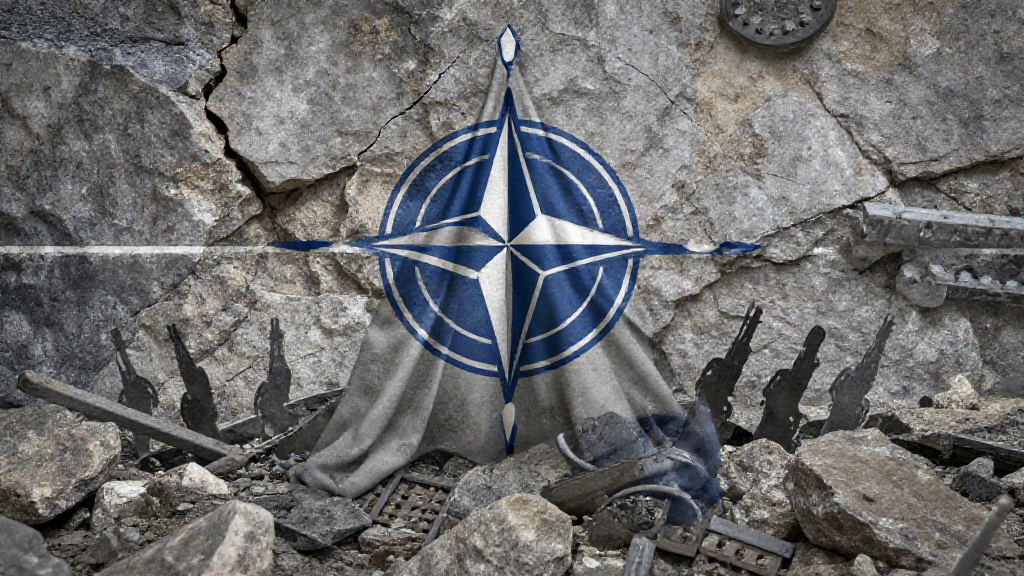
The geopolitical landscape faces renewed turbulence following recent remarks by former US President Donald Trump, who claimed that allied forces within NATO deliberately remained "a little off the frontlines" during the two-decade conflict in Afghanistan. Speaking in a recent media appearance, Trump reiterated skepticism regarding the reliability of NATO allies should the US require support, stating he was "not sure" the alliance would respond in a crisis.
These comments have been met with sharp rebuke from several European capitals, particularly the United Kingdom, which suffered the second-highest number of military fatalities in the Afghanistan theatre after the United States. The core of the controversy rests on Article 5, NATO’s collective defence clause, which has only been invoked once in the alliance’s history—following the September 11, 2001, terrorist attacks, triggering the US-led intervention in Afghanistan.
Data from the conflict underscores the significant contributions made by non-US coalition forces. America’s allies collectively sustained approximately 1,160 military deaths, representing nearly one-third of the total coalition casualties. The UK alone recorded 457 service members lost. Defence officials and political leaders across the UK have characterized Trump’s narrative as a profound insult to the memory of those who fought and died alongside American troops in intense engagements across provinces like Helmand.
UK Defence Secretary John Healey emphasized that allied nations answered the US call under Article 5, noting the heavy price paid by British personnel. Furthermore, accounts from veterans who served in hotspots such as Sangin and Musa Qala highlight the direct, frontline nature of the combat experienced by Danish, British, and soldiers from other contributing nations.
The controversy is not merely historical; it feeds into ongoing debates about transatlantic burden-sharing and the strategic coherence of the Western alliance. Critics point to Trump’s own military service record as adding a layer of irony to his critique of frontline commitment. For European capitals already navigating complex security architecture adjustments post-Ukraine, these remarks underscore persistent anxieties regarding the reliability of extended US security guarantees under a potential future Trump administration.
The incident serves as a potent reminder of the deep, if sometimes politically fraught, military integration between the US and its European allies, particularly through the crucible of the post-9/11 military engagements. The friction generated by these statements impacts diplomatic efforts to solidify unified fronts on emerging global economic and security challenges.
Source Attribution: Based on reporting originally covered by Sky News.