US President Donald Trump reportedly considers a military mission to seize Iranian uranium enriched to 60 percent. This potential operation occurs as the conflict between Washington and Tehran enters its second month. The plan aims to secure highly radioactive material before it can be weaponized or hidden further.
The Wall Street Journal reported on Sunday that the administration is seriously considering a ground offensive to capture stockpiles. Secretary of State Marco Rubio previously told Congress that personnel would need to physically retrieve the material. Such a move represents a significant escalation from previous air strikes on nuclear facilities.
Key Details
According to the International Atomic Energy Agency, Iran held roughly 440 kilograms of uranium enriched to 60% before recent strikes. Experts estimate this stockpile is enough for approximately 10 nuclear weapons if processed further. Ludovica Castelli from the Istituto Affari Internazionali noted the material remains a serious concern.
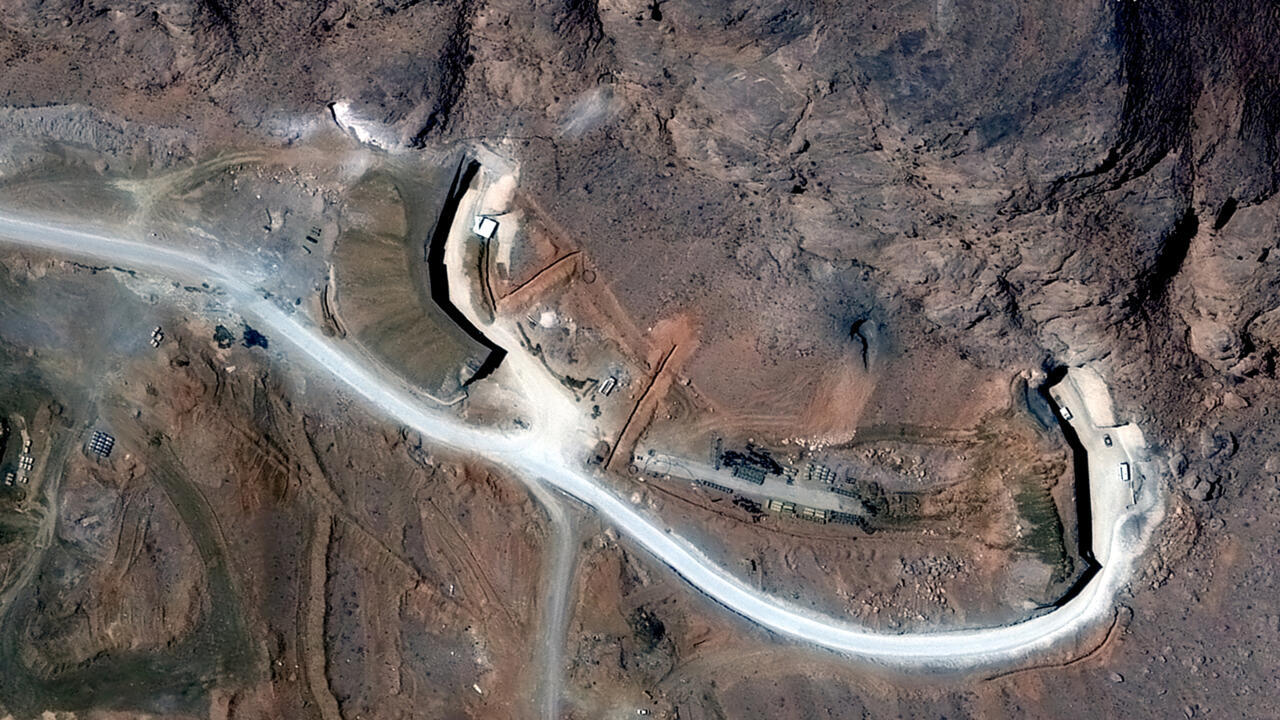
Satellite photos analyzed by Le Monde suggest stockpiles were moved into underground tunnels near Isfahan in June 2025. These locations were reportedly out of reach of earlier air strikes that targeted known facilities. The International Team for the Study of Security believes the material is still present and accessible.
Risks and Logistics
Christian Emery from University College London described the mission as one of the riskiest operations since the Second World War. He warned, > "An absolute 10," on a scale of danger, Salisbury said. This indicates the extreme peril involved.
Emma Salisbury of the Foreign Policy Research Institute emphasized handling uranium hexafluoride poses significant danger to troops. > "The operation is risky in itself, but the need to be handling uranium hexafluoride makes it hugely dangerous," she said. Specialized protective gear would be necessary to prevent exposure to toxic substances.
Strategic Implications
Political analysts suggest the raid offers a quick way for Trump to declare victory without negotiating with Iran. Clive Jones noted that a successful operation would provide an off-ramp for the ongoing war. However, experts warn that centrifuges and technical expertise remain with Tehran regardless of the seizure.
The broader regional impact could destabilize energy markets if the conflict intensifies further. Iran retains the capability to develop nuclear weapons using other stockpiles and accumulated knowledge. The international community remains concerned about the potential for future militarisation of the program.