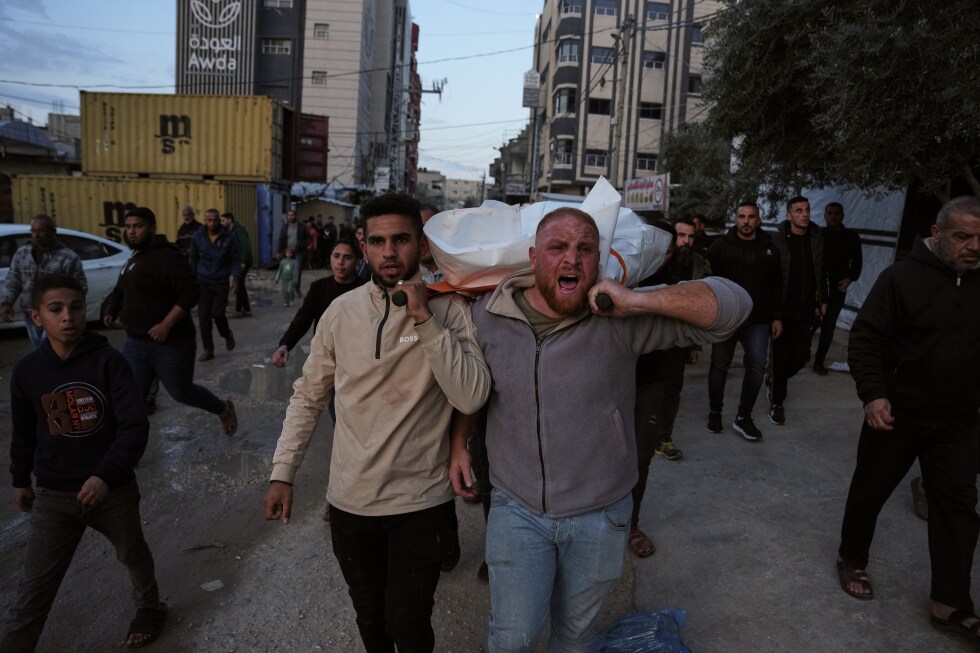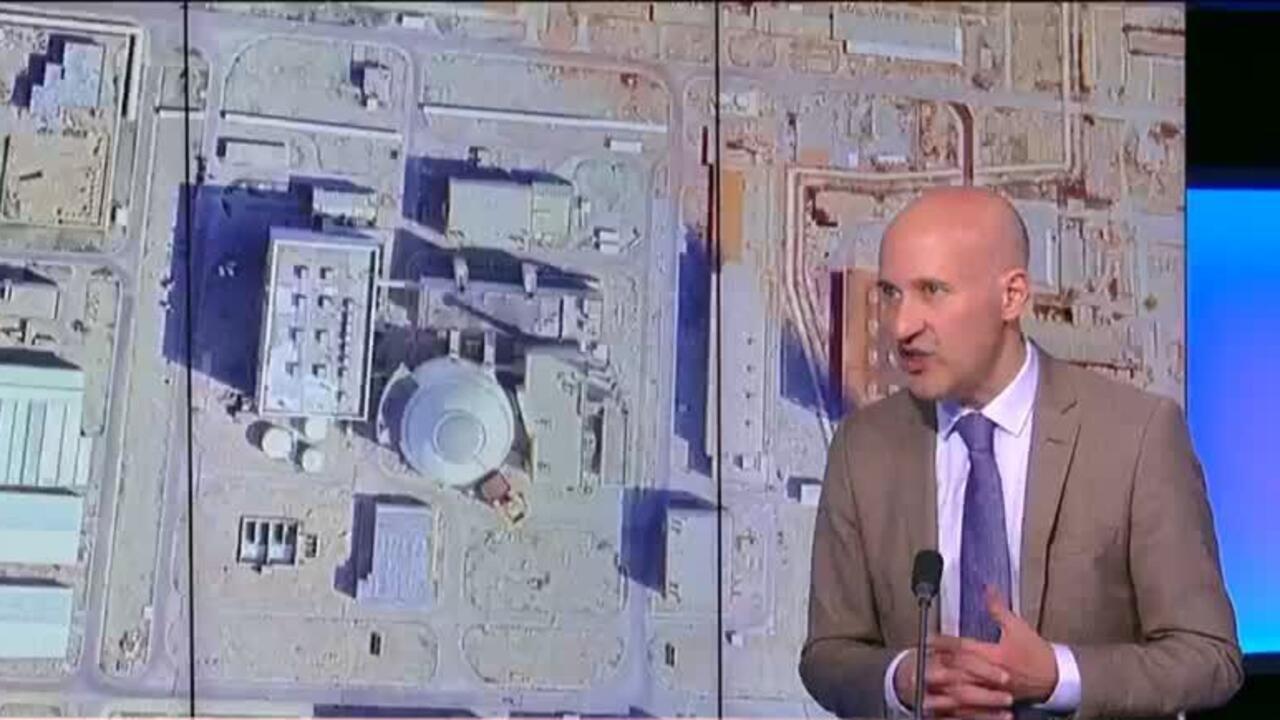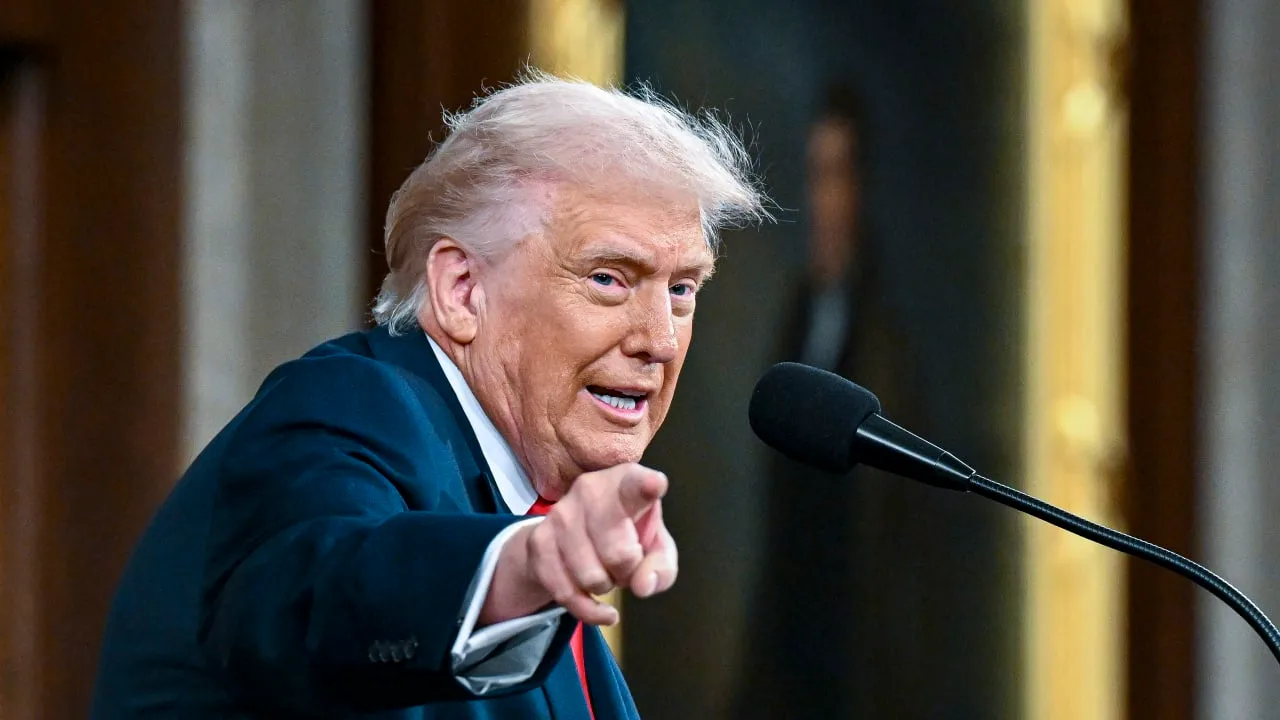
Tensions in the Middle East have sharply escalated on Saturday following a direct warning from Donald Trump to Tehran regarding regional security. The former president threatened to destroy key Iranian infrastructure if the strategically vital Strait of Hormuz remains blocked for more than 48 hours. This ultimatum signals a dramatic shift in tone from the White House regarding regional stability and energy security. The administration appears prepared to intensify its response as the global energy corridor remains closed to commercial shipping vessels.
Trump issued the specific threat via his social media platform Truth Social on Saturday afternoon. He stated that if Iran does not fully open the waterway without threat the United States will target their power generation facilities immediately. The message explicitly identified starting with the largest power plant first as the priority for any potential strikes. This escalation comes just one day after Trump suggested military operations in the region were nearing completion.
The closure of the strait remains one of the world most critical oil transit routes for international commerce. Tankers remain stranded in the region while others attempting passage have reportedly come under retaliatory attacks linked to Iranian forces. These actions are raising serious concerns across international markets and defense circles regarding future security. Global shipping routes are now facing significant uncertainty as the crisis deepens significantly. Energy prices fluctuate wildly whenever this chokepoint faces threat.
Iran leadership has shown no sign of backing down despite the pressure from Washington officials. Mojtaba Khamenei reaffirmed that the waterway would stay closed until the ongoing conflict concludes in the region. This stance deepens the standoff between the two nations and increases the risk of direct confrontation. Iranian officials view the blockade as a necessary bargaining chip during the dispute.
Economic impacts are already appearing across the United States domestic market significantly. U.S. gas prices have spiked sharply with the national average climbing to $3.93 per gallon recently. This compares to $2.94 per gallon just one month earlier according to data from the AAA organization. Analysts warn that prolonged disruption could push global oil markets into further volatility.
Within Washington pressure is mounting on allies to take a more active role in resolving the crisis. Lindsey Graham has urged a reassessment of U.S. military cooperation with countries unwilling to support operations tied to reopening the strait. Both Graham and Trump have criticized NATO partners for what they describe as insufficient backing during the crisis. This diplomatic friction adds another layer of complexity to the situation. European leaders face difficult choices regarding their energy reliance.
Trump has floated more aggressive strategic options including potential control of Iran Kharg Island. This location is a critical hub responsible for the majority of the country oil exports. While such a move would typically require ground forces the president has maintained that he does not intend to deploy troops inside Iran. The administration is weighing various options to force a resolution quickly.
Prolonged disruption of the energy corridor could affect inflation and supply chains worldwide significantly. Markets are watching closely to see if the 48 hour deadline results in military action or negotiation. International observers note that the stakes involve trillions of dollars in energy trade annually. The situation demands careful monitoring by global economic institutions. Asian and European economies are particularly vulnerable to these shocks.
What comes next will depend heavily on Tehran response to the ultimatum issued this weekend. The coming days will determine whether the conflict remains contained or expands into a broader regional war. Investors are advised to watch energy futures and shipping indices for signs of further instability. The world waits to see if diplomacy or force will prevail in the Gulf. The deadline is approaching rapidly for all parties involved.