US President Donald Trump issued Iran with a strict 48-hour deadline Saturday to re-open the Strait of Hormuz, after which he warned the United States will obliterate Iranian power plants.
This ultimatum comes as regional tensions escalate following weeks of military strikes across the Middle East that threaten global energy security.
The White House stated the closure of the waterway poses a direct threat to international trade routes.
The administration linked the threat directly to the safety of commercial shipping lanes.
Blasts were heard in Jerusalem on Sunday after the Israeli military warned of incoming missile fire from Iran towards central Israel.
Two direct missile hits in southern Israel left at least 59 people wounded during the weekend violence.
Prime Minister Benjamin Netanyahu vowed to continue striking Iran after what he called a very difficult evening for national security.
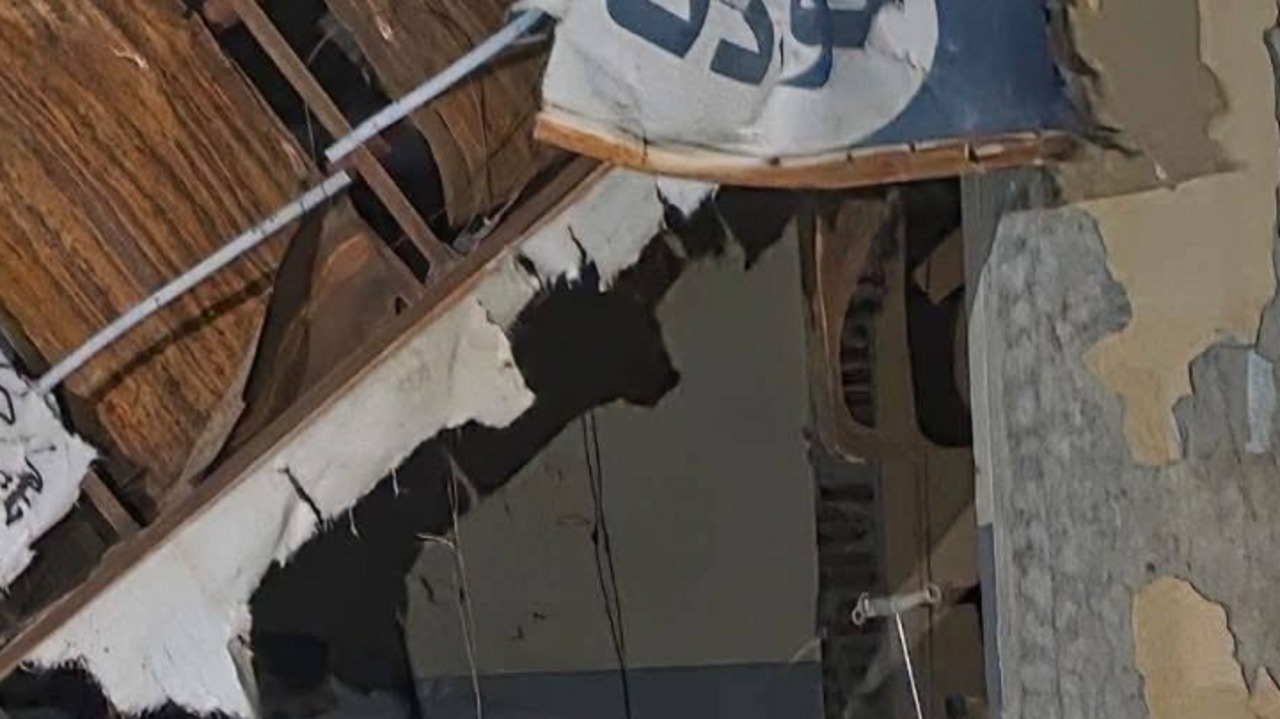
Local media showed images of light damage by a road in the city of Holon near Tel Aviv.
Japan could consider deploying its military for minesweeping in the Strait of Hormuz if a ceasefire is reached, Foreign Minister Toshimitsu Motegi said.
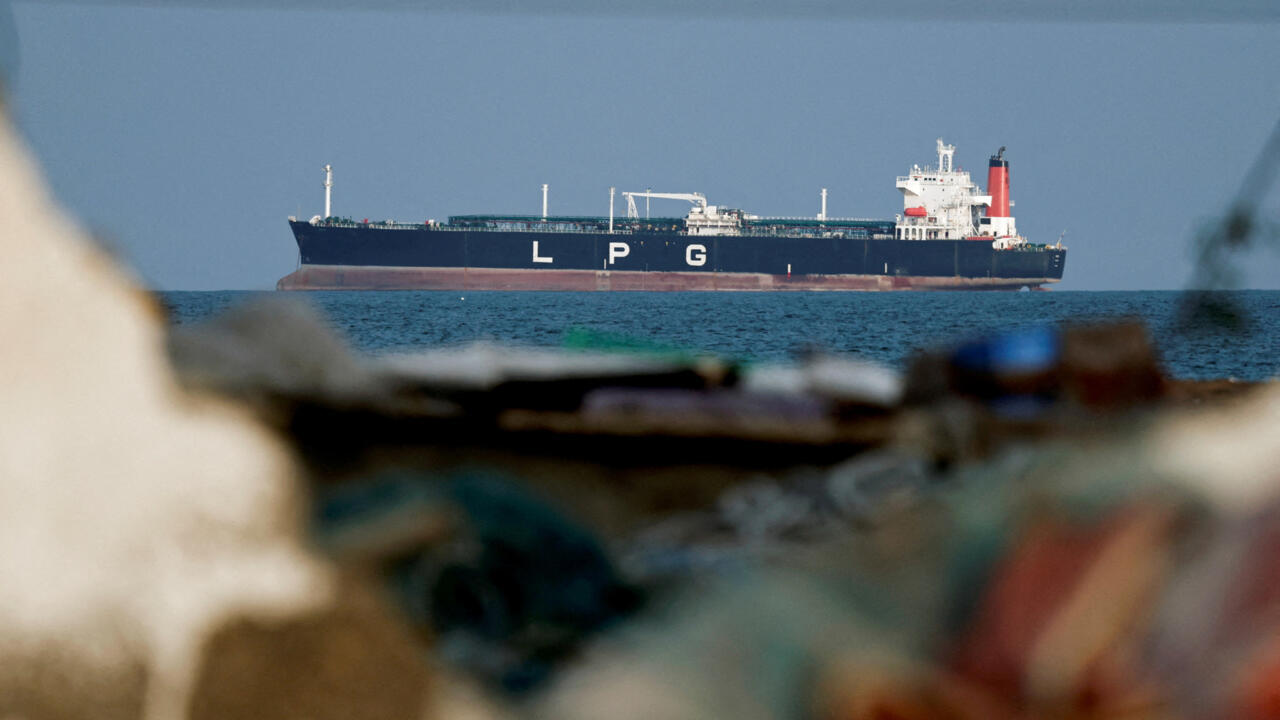
The waterway serves as a vital artery for global oil supplies and remains critical for the global economy.
Motegi noted this is purely hypothetical but would arise if naval mines created an obstacle following a ceasefire.
Such a deployment would signal a major shift in Japanese defense posture in the Indo-Pacific region.
Iran's critical water and energy infrastructure have suffered extensive damage due to US and Israeli strikes, the country's energy minister said.
Energy Minister Abbas Aliabadi stated the country's vital water and electricity infrastructure has suffered heavy damage following terrorist and cyber attacks.
He noted efforts were underway to repair the damage to dozens of water transmission and treatment facilities.
The damage complicates efforts to maintain domestic stability during the ongoing conflict.
Lebanon's Iran-backed Hezbollah militant group said it attacked Israeli soldiers in northern Israel's Misgav Am on Sunday.
One person died in the conflict, marking the first Israeli fatality from fire from Lebanon since fighting started on March 2.
The city of Nabatieh in southern Lebanon has been hit hard by Israeli airstrikes targeting Hezbollah fighters.
First responders said rocket fire from Lebanon killed one person close to Israel's northern border.
Saudi Arabia ordered an Iranian diplomat and three members of his team to leave the country as the kingdom faces Iranian strikes.
Gulf neighbours face Iranian strikes in retaliation for US-Israeli attacks on their security interests.
The move signals a hardening of positions among regional powers as the conflict widens.
Diplomatic channels are currently strained between Tehran and Riyadh over the escalation.
Iran is ready to cooperate with the International Maritime Organisation to improve maritime safety and protect seafarers in the Gulf.
The Iranian representative to the UN maritime agency said the Strait remains open to all shipping except vessels linked to Iran's enemies.
Ali Mousavi emphasized diplomacy remains Iran's priority but mutual trust is more important.
The UN body will monitor the situation as threats to navigation persist in the region.
The death toll in Iran from the war is now more than 1,500, the Iranian state broadcaster said, citing the health ministry.
These developments signaled the war was moving in a dangerous new direction at the start of its fourth week.
The escalation poses significant risks to international trade routes and energy markets.
Analysts warn that prolonged conflict could disrupt supply chains for months.
President Donald Trump warned that the United States will obliterate power plants in Iran if the Islamic Republic does not fully open the Strait within 48 hours.
The deadline sets a critical juncture for diplomatic efforts to prevent further military expansion.
Markets will watch closely for any movement in the 48-hour window regarding naval access.
Oil prices are expected to react sharply to any confirmation of hostilities in the Gulf.