US President Donald Trump issued a stern warning overnight regarding Iran’s energy infrastructure. The ultimatum threatens the destruction of power facilities if Tehran fails to comply within 48 hours. This escalates regional tensions following recent diplomatic discussions about de-escalation.
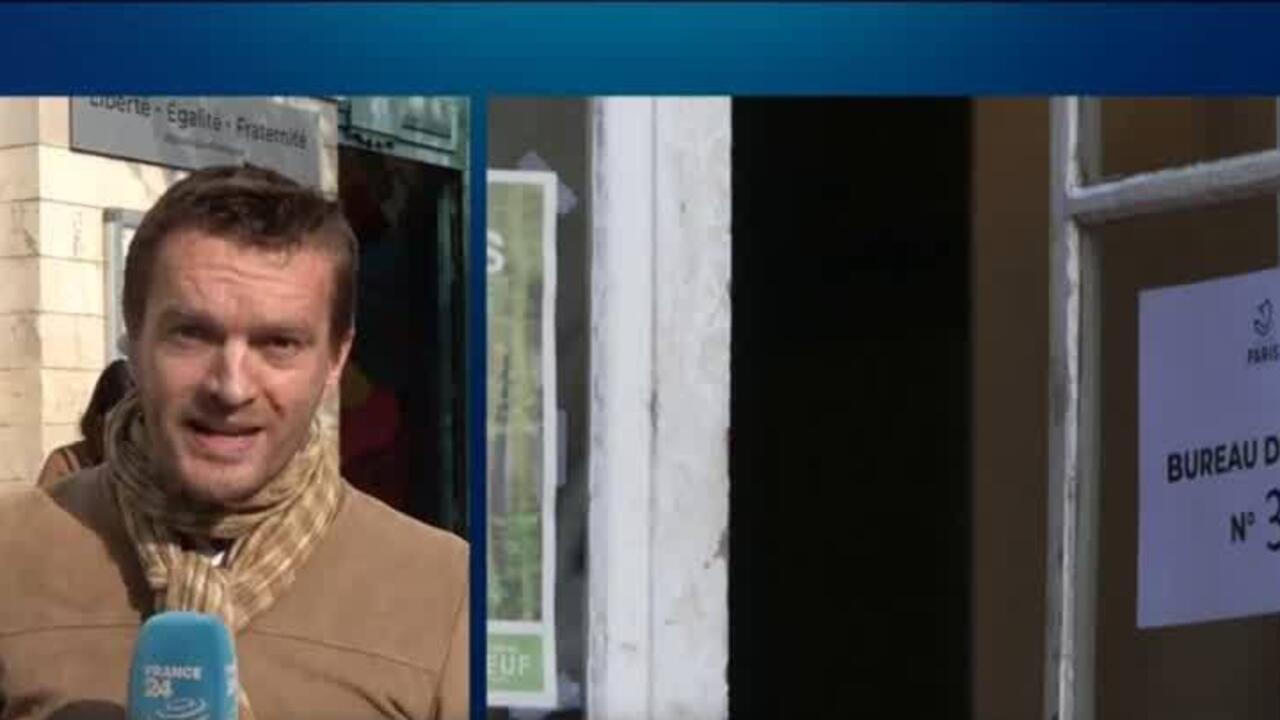
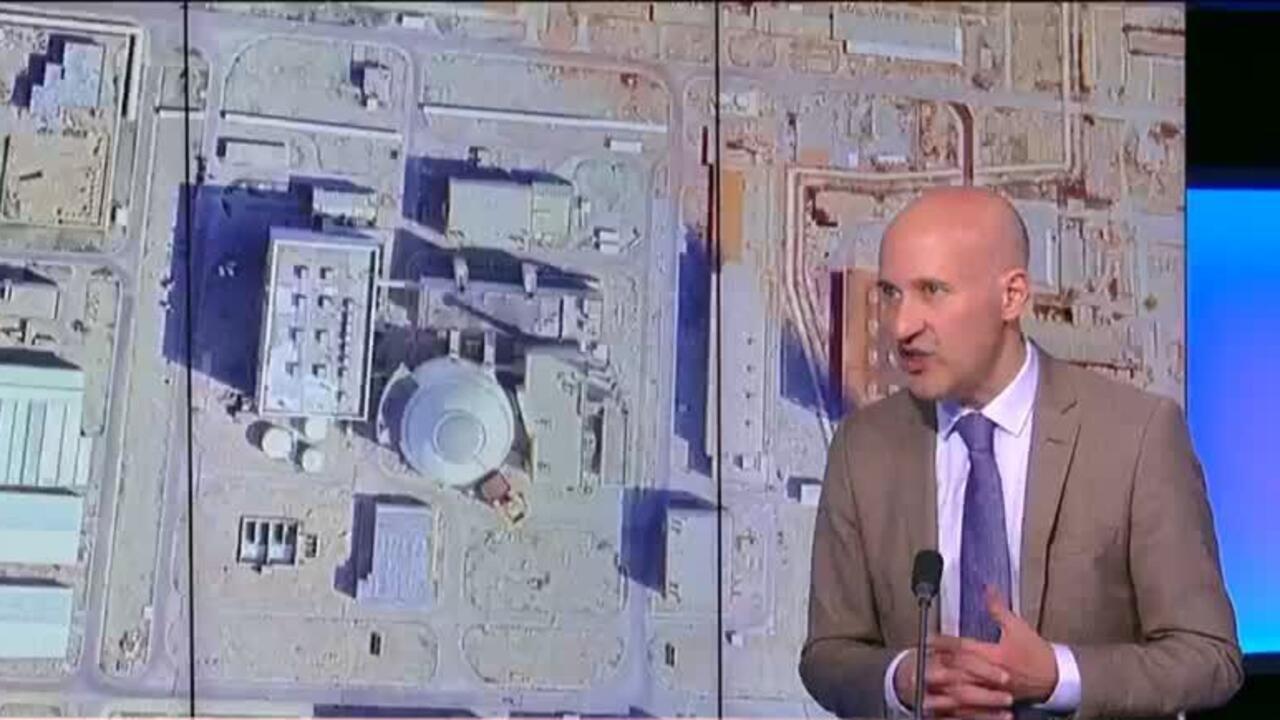
The proposed targets include critical energy sites, specifically the Bushehr nuclear power plant located on Iran’s southern coast. Officials suggest that striking such infrastructure could constitute a violation of established international humanitarian law. FRANCE 24 analyst Douglas Herbert noted the potential legal ramifications during a recent broadcast segment.
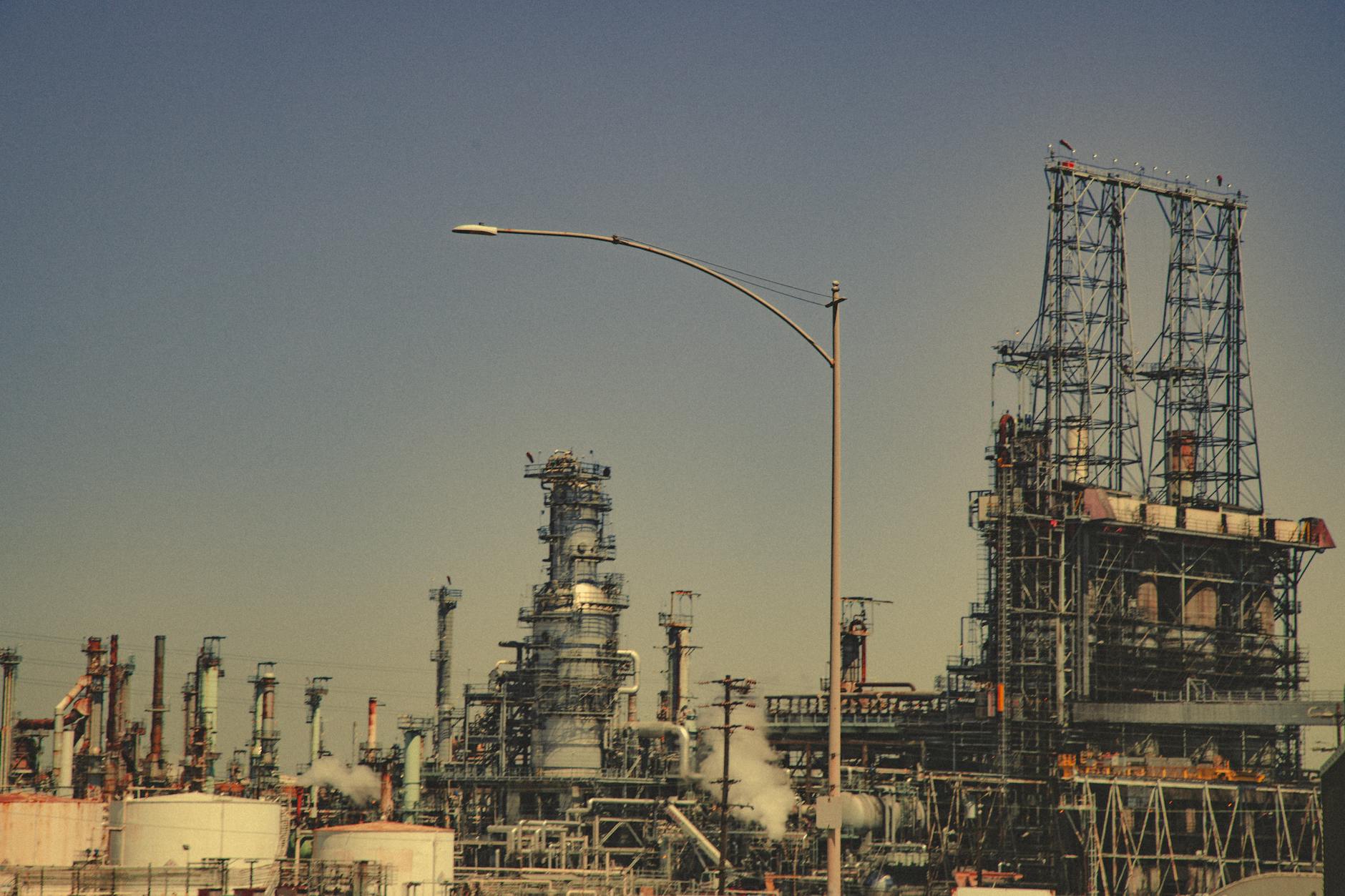
The Strait of Hormuz remains one of the world’s most vital chokepoints for global energy trade. Approximately 20% of global oil consumption passes through this narrow waterway daily, according to industry data. Disruption here would trigger immediate volatility in energy markets across Europe and Asia.
Previous statements from the White House suggested a desire to wind down ongoing military engagements in the region. However, the recent threat indicates a sharp pivot toward coercive pressure tactics rather than diplomatic resolution. This contradiction has raised concerns among foreign policy experts regarding strategic consistency.
International law generally protects civilian infrastructure, including power grids, from direct military attacks during conflicts. The Geneva Conventions explicitly prohibit actions that would cause disproportionate harm to civilian populations. Legal scholars argue that targeting a nuclear facility would breach these fundamental protections.
Economic repercussions would likely extend far beyond the immediate conflict zone and affect global supply chains. Investors are already monitoring crude oil futures closely for signs of potential supply interruptions. A shutdown would raise transportation costs for goods moving between East and West.
Regional allies have expressed caution regarding potential military escalation that could destabilize the entire Middle East. Several nations rely heavily on stable oil prices to maintain domestic economic growth targets. Unpredictable actions from Washington could undermine broader security partnerships in the region.
Observers will monitor Tehran’s response and any subsequent statements from American officials in the coming days. The situation is fluid as diplomatic channels remain open despite the vocal threats. Any movement toward dialogue could alleviate immediate fears of armed conflict.