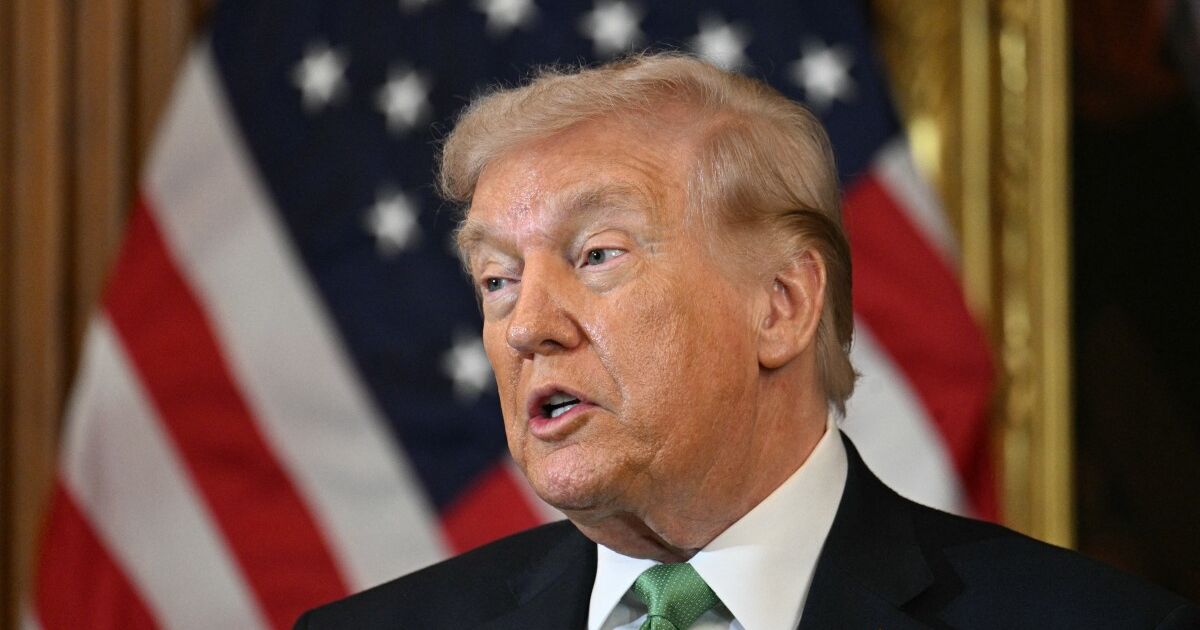
US President Donald Trump issued an ultimatum to Iran demanding the reopening of the Strait of Ormuz within 48 hours. He warned on Truth Social that failure to comply would result in the annihilation of multiple Iranian energy plants. The statement escalates tensions in the Middle East following recent retaliatory strikes between Tehran and Israel.
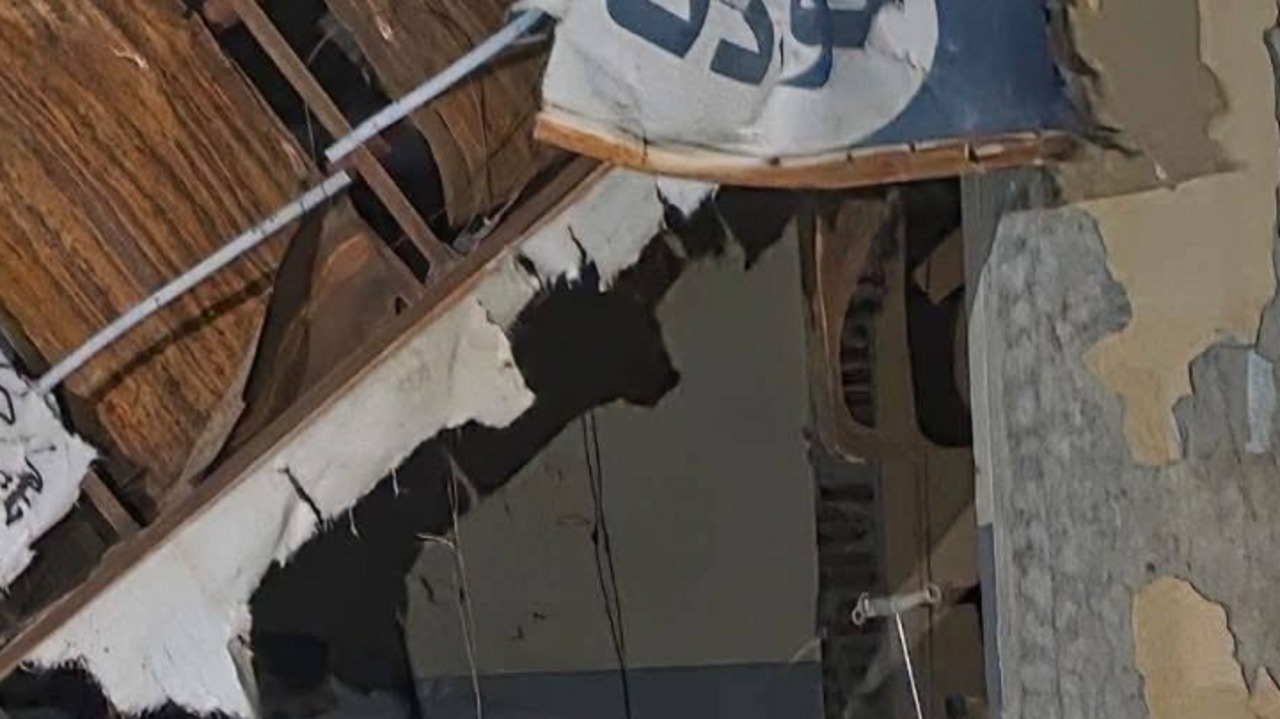
The commander specified that the largest energy facility would be the initial target of any American military action. This threat comes hours after Iran bombed Dimona, which houses a nuclear installation. Israel responded by striking the Natanz underground complex previously equipped for uranium enrichment.
Global markets reacted immediately to the rhetoric, with crude oil prices rising in anticipation of supply constraints. Mexico's economy faces exposure to global energy shocks, particularly given its reliance on imported refined products. The Mexican government relies on stable energy markets to maintain fiscal projections for public spending.
The strategic waterway transports approximately 20% of the world's hydrocarbons through its narrow channel. Since the conflict began on Feb. 28, the route has remained paralyzed due to hostilities. Nations dependent on this route have accelerated efforts to secure alternative shipping lanes.
More than 20 countries have publicly denounced the blockade imposed by Iranian forces. Mexico has expressed concern over potential disruptions to its own energy exports and imports. These countries stated they remain prepared to contribute guarantees for safe navigation in the passage.
The Iranian military issued a counterthreat regarding American infrastructure in the Persian Gulf region. A spokesperson for the Khatam Al Anbiya operational command stated that any violation of energy facilities would be met with direct attacks. This reciprocal warning targets technology and desalination plants in the area.
Earlier in the week, the president suggested that American allies might secure free passage through the strait independently. He indicated the United States does not require the route and could let users find their own solutions. The recent statement marks a shift toward direct military intervention.
Prolonged disruption in the Gulf supply chain threatens to increase general inflation rates further. Analysts warn that extended conflict could force energy costs higher in North American markets. Mexican consumers face direct consequences through potential hikes in fuel prices at the pump.
Diplomatic channels remain open for de-escalation, though the 48-hour window appears narrow. Observers will watch for concrete military movements or diplomatic statements from Washington next. The situation remains fluid as both sides prepare for potential escalation.
Economic stability in Latin America depends heavily on global energy supply chains remaining intact. A prolonged shutdown of Ormuz could ripple through trade agreements between Mexico and the United States. Markets will monitor the ultimatum expiration closely for signs of resolution or conflict.