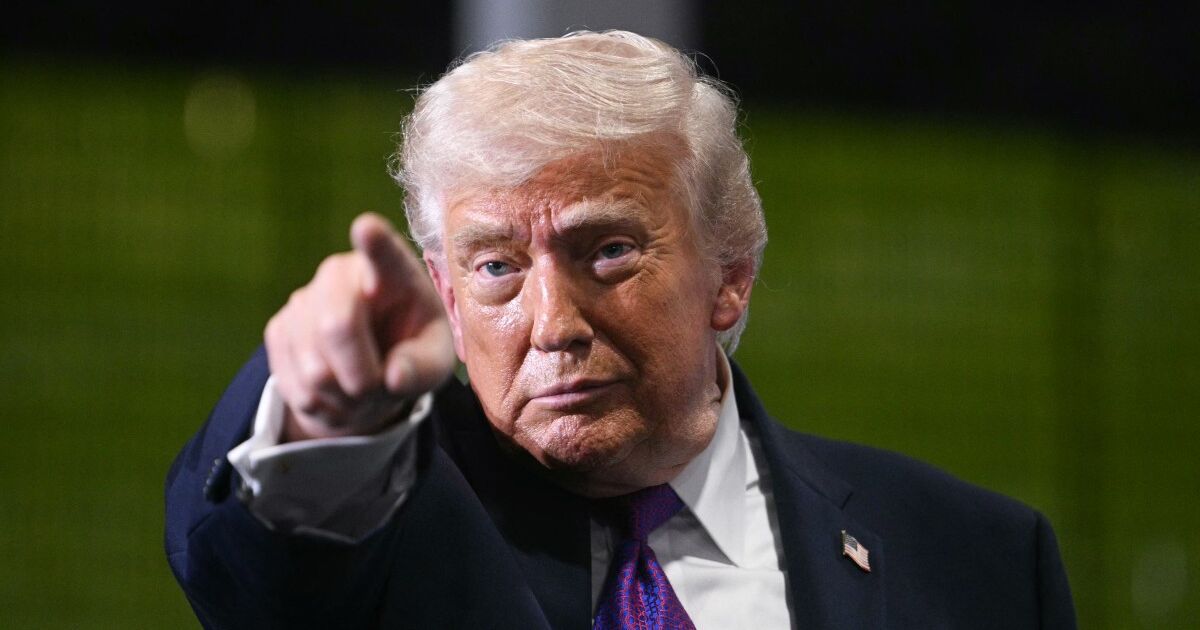
President Donald Trump announced plans to coordinate a multinational naval force in the Strait of Hormuz to secure global oil flows. The move comes amid escalating tensions with Iran, which could threaten the strategic waterway used for significant energy exports. Washington aims to prevent any closure of the corridor that transports crude to major consuming nations within the coming weeks.
Trump stated via Truth Social that many nations would contribute warships to maintain the route's safety. He explicitly named China, France, Japan, South Korea, and the United Kingdom as potential partners in the operation. These countries are directly affected by any disruption to the maritime passage and hold significant stakes in energy security.
The Strait of Hormuz remains one of the most sensitive arteries for worldwide petroleum commerce and logistics. A closure would instantly spike global energy prices and disrupt supply chains for industrial economies dependent on imports. The United States maintains that no single nation should hold leverage over this critical chokepoint for global trade.
For Mexico, volatile crude prices directly impact federal revenue and the financial health of state-owned enterprises like Pemex. Oil revenue accounts for approximately 10% of the federal budget, making price stability a priority for Mexican officials managing fiscal policy. Recent market fluctuations already pressured the national treasury, requiring careful oversight of energy sector performance.
The US president adopted aggressive rhetoric regarding the potential threat from Tehran to ensure compliance. He asserted that while Iranian military capacity is severely weakened, the regime retains options like drones and mines. These tactics could destabilize the region without triggering a full-scale conventional war between major military powers.
Any threat to the shipping lane typically generates international nervousness and pressure on energy costs for consumers. Investors often react quickly to geopolitical risks in the Middle East by adjusting commodity futures and hedging strategies. This volatility creates uncertainty for businesses dependent on predictable logistics and input costs for production.
Despite the strong public messaging, the White House has not confirmed specific commitments from allies regarding deployment. Reports indicate that no formal agreements have been finalized regarding naval deployments at this specific time. The administration projects a coalition response to deter Tehran from altering transit rules for commercial vessels.
Mexico's relationship with the United States involves significant energy cooperation and trade interdependence across the border. Disruptions in the Gulf of Mexico or broader Atlantic trade routes often correlate with stability in the Middle East. Mexican policymakers monitor regional security to ensure their own economic interests remain protected from external shocks affecting trade.
The administration emphasized that the United States would act with force against any hostile actions in the area. This stance signals a willingness to engage diplomatically but also militarily if necessary to protect interests. The goal is to keep the flow of oil uninterrupted for all dependent economies in the hemisphere and beyond.
Markets will watch closely for confirmation of allied participation in the upcoming days following the announcement. A lack of concrete commitments could weaken the deterrent effect against Iranian aggression in the region. Continued tension suggests the situation requires sustained attention from global financial leaders and diplomatic envoys.