US President Donald Trump announced a 10-day pause on attacks against Iranian energy infrastructure. This decision comes as the conflict between Washington and Tehran approaches its fourth week. The move aims to create space for diplomatic negotiations while managing global market stability.
This marks the second extension of the threat to obliterate energy facilities. Trump utilizes these deadlines to signal intent and distract from strategic challenges. Analysts suggest the pause allows time to prepare military options without immediate escalation.
Intermediaries, particularly from Pakistan, are facilitating messages between the two nations. Diplomatic sources indicate expectations for a breakthrough remain low despite official optimism. One unnamed diplomat described the situation as smoke and mirrors lacking a trusted channel.
Concurrently, US forces are mobilizing in the region to support potential operations. Approximately 2,000 Marines are en route from Japan, while paratroopers travel from California. Reports indicate the Pentagon may deploy another 10,000 troops to the area.
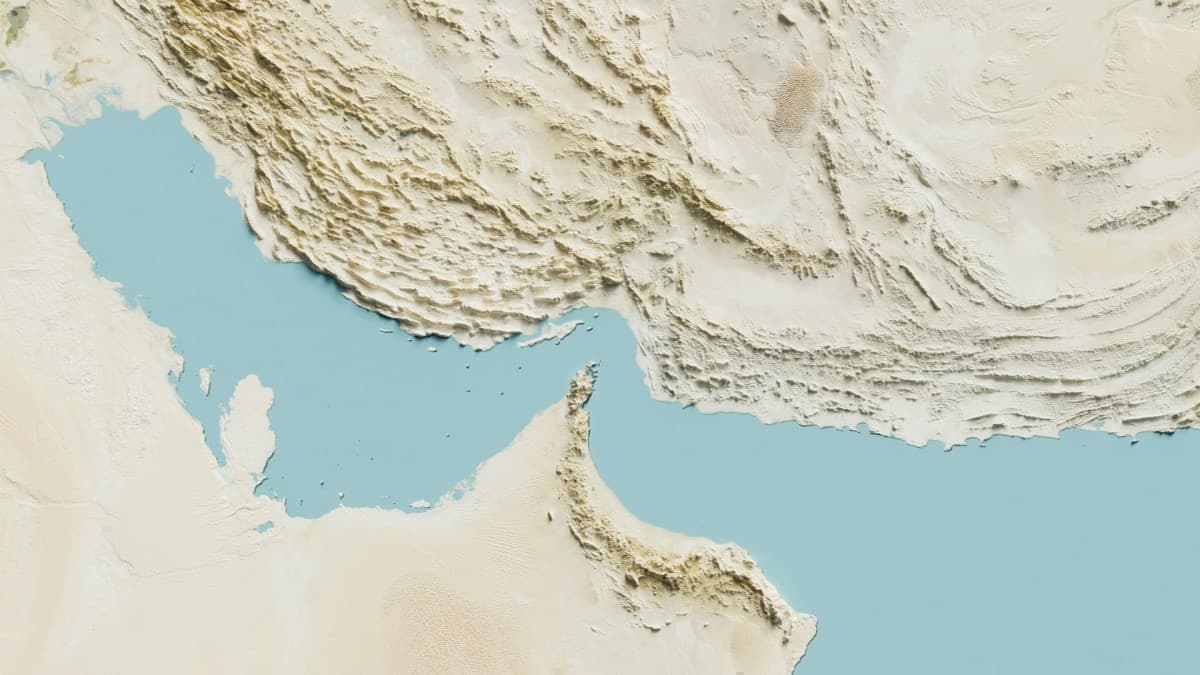
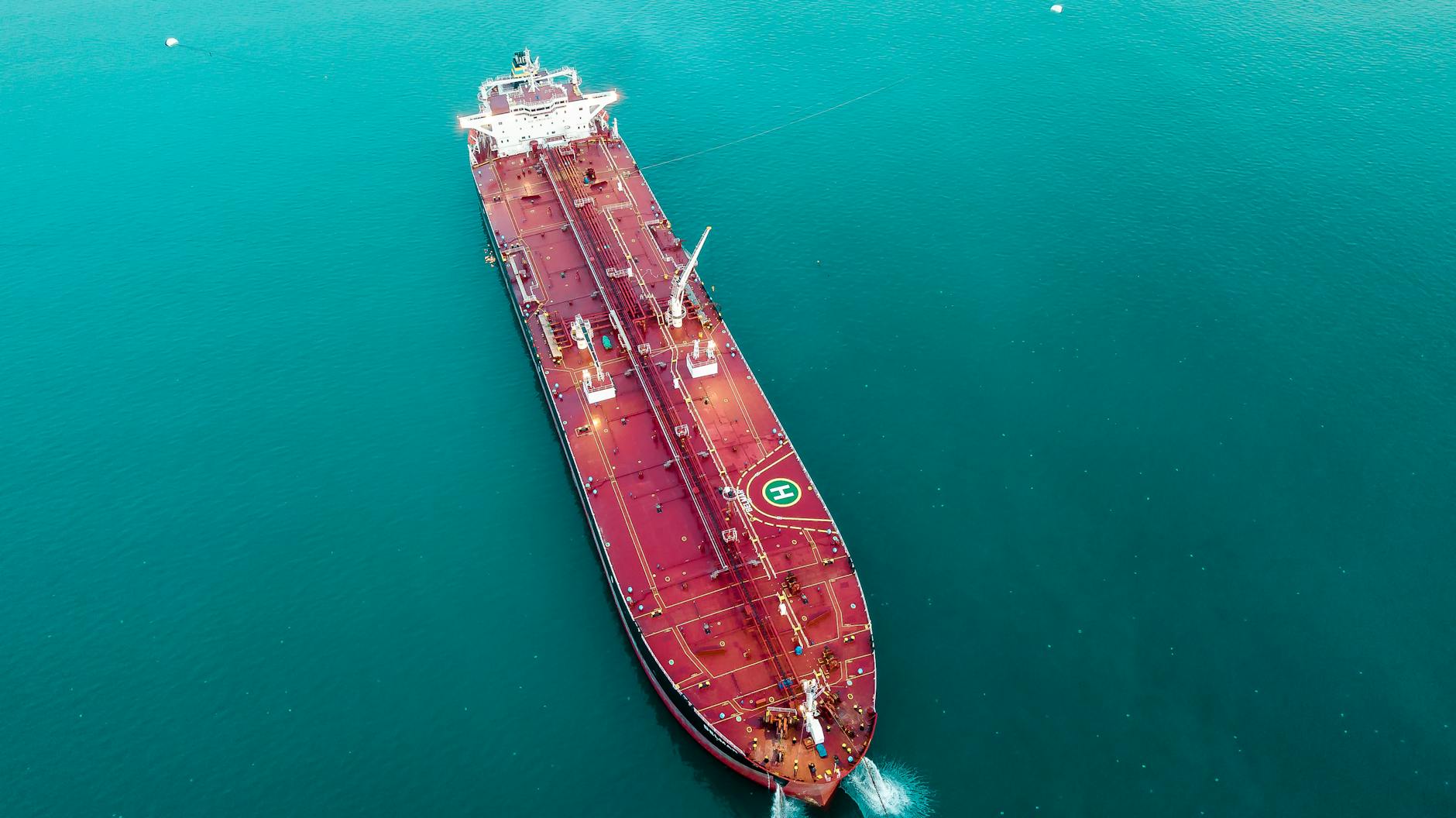
The Strait of Hormuz remains closed to most merchant traffic, threatening global supply chains. Energy markets reacted cautiously following the announcement made shortly after Wall Street trading closed. Investors fear prolonged instability could disrupt oil flows and increase prices significantly.
The President emphasized that failure to reach an agreement would result in severe consequences. He stated on Thursday that the US would continue to target Iranian assets if diplomacy fails. This rhetoric reinforces the pressure on Tehran to accept terms quickly.
The conflict has shifted from regime change discussions to control over critical waterways. Previous deadlines have failed to produce a resolution, raising skepticism about the current pause. The situation mirrors prior escalations where military posturing preceded diplomatic offers.
A sustained closure of the strait poses risks for the global economy and energy security. The extension effectively permits Iran to maintain restrictions for another 10 days. International observers will watch for signs of troop movements or further diplomatic channels.
The outcome of this pause will determine whether the region moves toward de-escalation or wider war. Markets remain sensitive to any shifts in the military balance of power. The next 10 days will be critical for assessing the viability of a negotiated settlement.