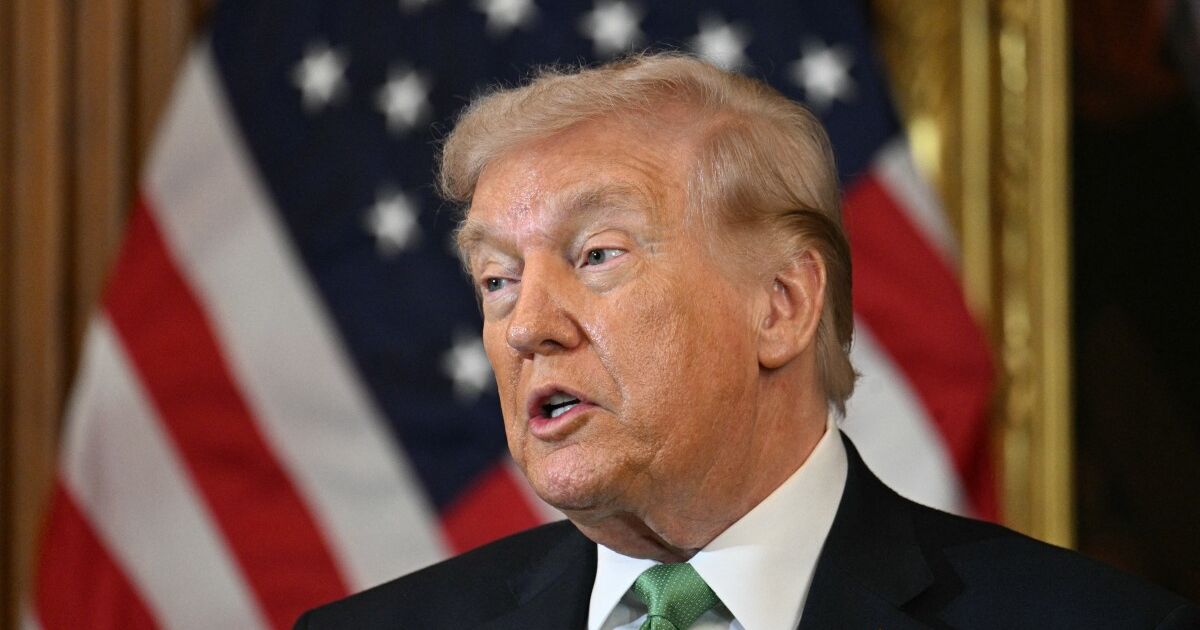
President Donald Trump issued a strict 48-hour ultimatum to Iran regarding the strategic control of the Strait of Hormuz.
He warned that failure to open the waterway without threat will result in the complete obliteration of Iranian power plants.
The directive was posted on Truth Social late Sunday evening as tensions in the Middle East escalated significantly.
This threat marks a severe escalation in the ongoing US-Israel conflict with Tehran.
The presidential post stated the United States would begin the attack on the biggest power plant first if compliance is not met.
Trump emphasized the deadline begins from the exact point in time the message was published online.
This public communication bypassed traditional diplomatic channels and directly addressed Tehran through social media.
Analysts view this as a high-stakes maneuver to force a reopening of critical international trade routes.
Israeli military forces have launched multiple strikes on specific targets within the heart of Tehran early Sunday morning.
A brief official statement confirmed the operation targeted the terror regime in the Iranian capital city.
Simultaneously, Saudi Arabia reported detecting three missiles launched towards the capital city of Riyadh last night.
One missile was successfully intercepted while two fell safely in an uninhabited area, according to the defense ministry.
The Strait of Hormuz serves as a vital artery for global energy markets and international seaborne trade networks.
Approximately 20 million barrels of oil flow through the channel daily to buyers around the world.
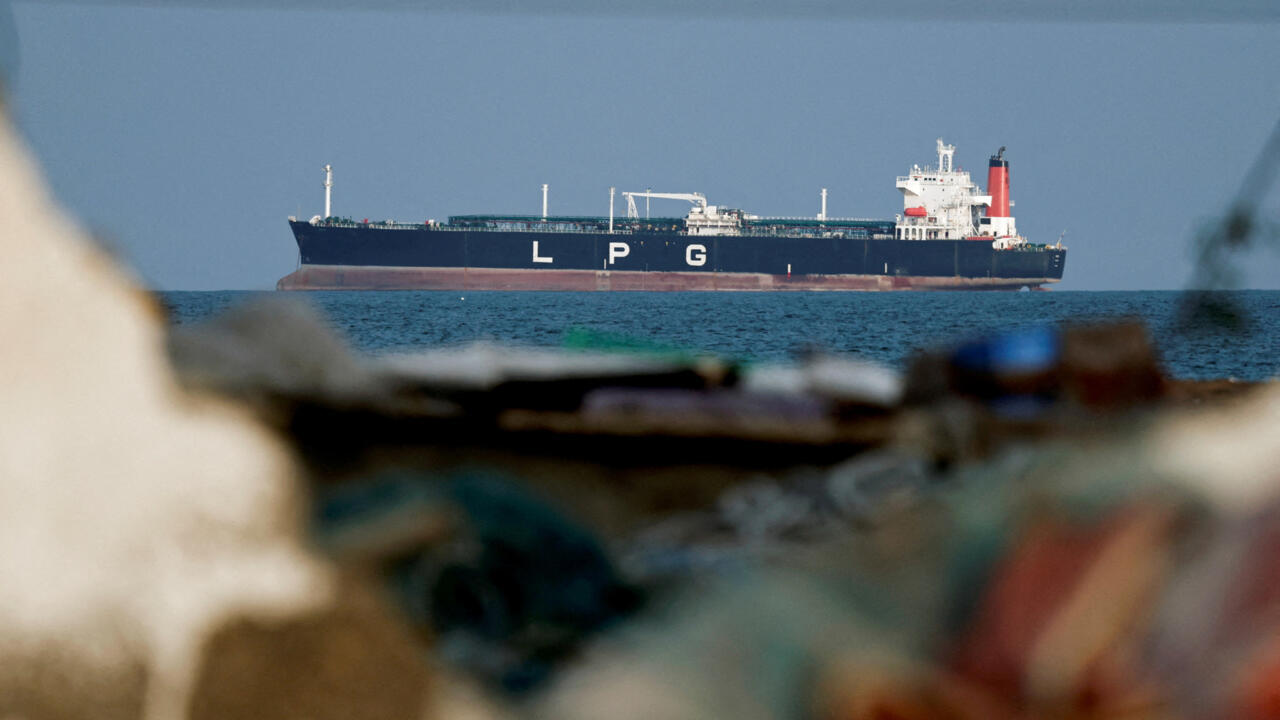
It carries a significant portion of liquefied natural gas shipments on super-chilled tankers.
Unlike the Malacca corridor, this route is difficult to circumvent completely during a major crisis.
Global oil prices have soared sharply following the effective closure of the waterway by Iranian naval forces.
Governments in Asia have taken immediate measures to conserve fuel amid the growing energy shortage.
Vietnam encouraged work-from-home policies while the Philippines introduced a four-day work week for many government workers.
These actions highlight the immediate economic pressure on import-dependent nations in the region.
Japan released one of two detained nationals after repeated diplomatic demands from Foreign Minister Toshimitsu Motegi.
Motegi confirmed the release occurred on Wednesday during a televised talk show appearance on Fuji Television.
He remains committed to securing the early release of the second citizen still in custody within Iran.
This diplomatic win contrasts with the broader security failures regarding the shipping lanes.
Iran’s military command warned that US energy infrastructure will be targeted immediately if Iranian facilities are attacked.
The Khatam Al-Anbiya operational command issued the statement via Fars news agency yesterday afternoon.
They specifically threatened information technology and desalination infrastructure belonging to the US in the region.
This reciprocal threat raises the stakes for potential military engagement in the region significantly.
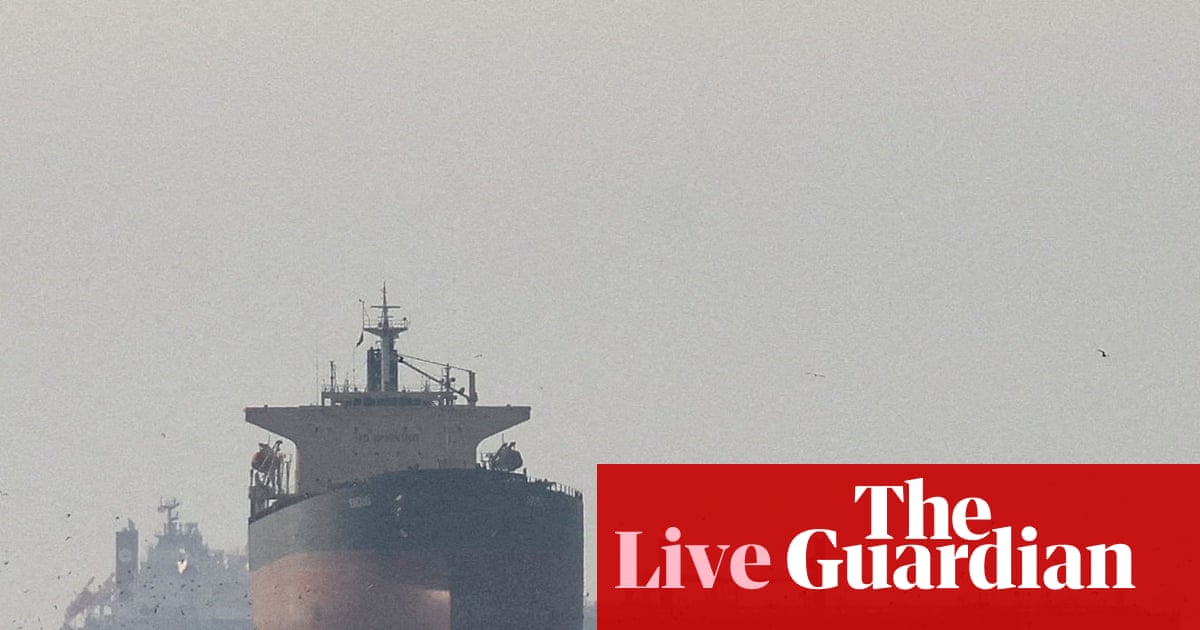
More than 1,000 cargo ships have been blocked from transiting the strait since the conflict began last month.
An unknown projectile struck a vessel 15 nautical miles north of Sharjah, the UK Maritime Trade Operations reported yesterday.
All crew members were reported safe following the incident near the United Arab Emirates coast.
The shipping lane remains confined to narrow two-mile-wide lanes for safety and traffic flow.
The United States is reportedly preparing to send three more warships and thousands of troops to the Middle East region.
Trump has also suggested he is considering winding down the US war on Iran simultaneously with the buildup.
Several NATO members pledged to join efforts to ensure safe passage without providing specific details publicly.
This ambiguity leaves the alliance strategy unclear regarding enforcement mechanisms and logistics.
Concerns are growing regarding the lack of a clean exit strategy to guarantee stable trade resumption quickly.
Markets remain volatile as investors weigh the risk of a prolonged regional conflict and supply chain disruption.
Energy ministers in Australia maintain strong supplies despite localised shortages and shipment cancellations.
The coming 48 hours will determine the immediate future of global energy logistics and pricing.