President Donald Trump issued a stern warning to Tehran on Saturday, demanding the immediate reopening of the strategic Strait of Hormuz within 48 hours. Failure to comply would result in targeted strikes against Iranian power generation facilities, according to a formal statement posted on Truth Social. This ultimatum arrives during the fourth week of heightened hostilities between the United States and Iran.
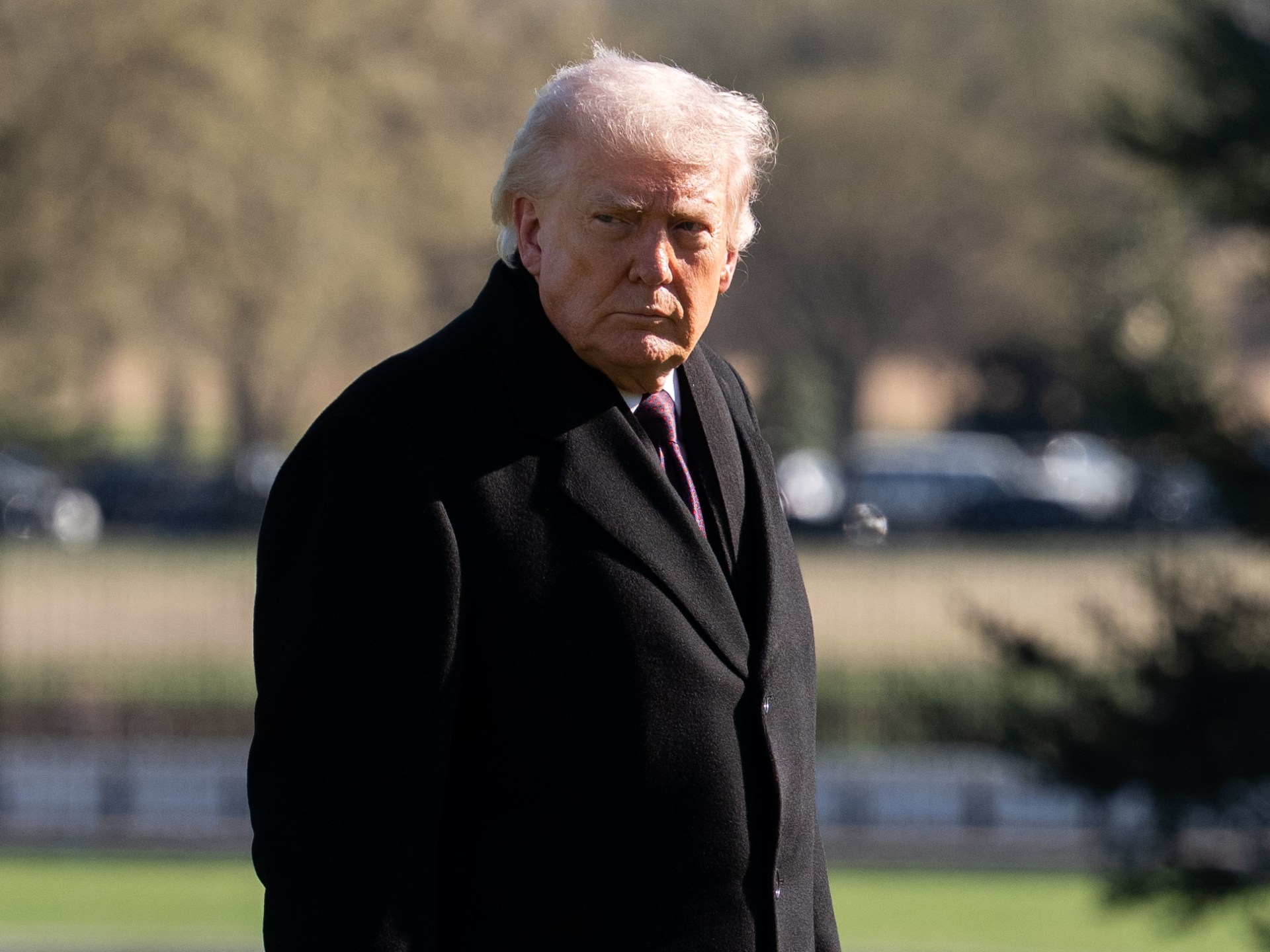
The White House President stated that the United States would obliterate key energy infrastructure starting with the largest facility first. He made the declaration from his Florida residence late Saturday night without specifying exact targets for the proposed retaliation. Market observers noted the timing coincided with soaring crude oil prices and significant volatility in global stock exchanges.
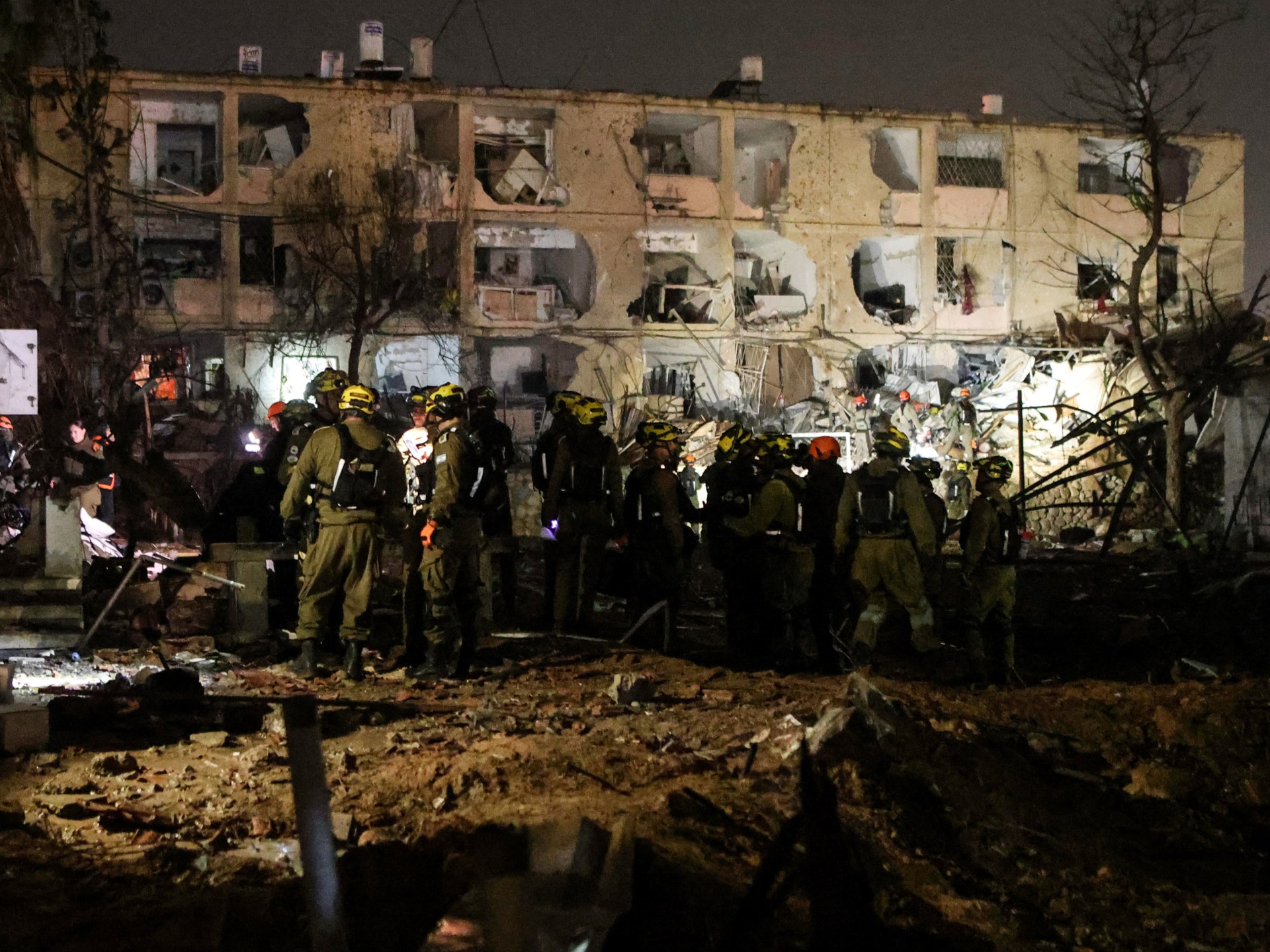
Iranian officials responded swiftly by vowing to target all American energy infrastructure in the region if their own fuel and power grids face attacks. The Iranian army framed the threat as a direct defense of national sovereignty against what they describe as an escalating aggression. This reciprocal warning suggests a potential for rapid de-escalation into a broader regional conflict.
Trump’s aggressive stance contradicts comments made just one day prior regarding plans to wind down military efforts in the Middle East. The President previously indicated that objectives were nearly met and considered reducing military engagement with Israeli Prime Minister Benjamin Netanyahu. Analysts point to this inconsistency as a sign of strategic uncertainty amidst the ongoing nuclear negotiations fallout.
Shipping traffic through the strategic waterway has virtually ground to a halt since the conflict began in late February. Iran maintains the passage is open to all nations except the United States and its allies, though exceptions have reportedly been granted to some vessels. Foreign Minister Abbas Araghchi stated that military discretion ultimately determines safe passage for international trade.
Admiral Brad Cooper, head of US Central Command, asserted that Iranian ability to attack vessels has been significantly degraded by recent air strikes. US fighter jets reportedly dropped 5,000-pound bombs on underground coastal facilities storing antiship cruise missiles earlier this week. These operations also targeted intelligence support sites and missile radar relays used to monitor ship movements.
Al Jazeera correspondent Manuel Rapalo observed a noticeable gap between White House diplomatic goals and military claims of accomplishment. He noted it appeared strange to hear about major escalation while hearing reports of substantial damage already inflicted on Iranian capabilities. This discrepancy raises questions about the strategic rationale behind the new threat.
The situation poses severe risks to global energy security given that one-fifth of world oil and gas passes through the strait during peacetime. Any prolonged closure could trigger supply shocks affecting economies worldwide beyond the immediate combatants. Investors are closely monitoring developments as the 48-hour deadline approaches without resolution.