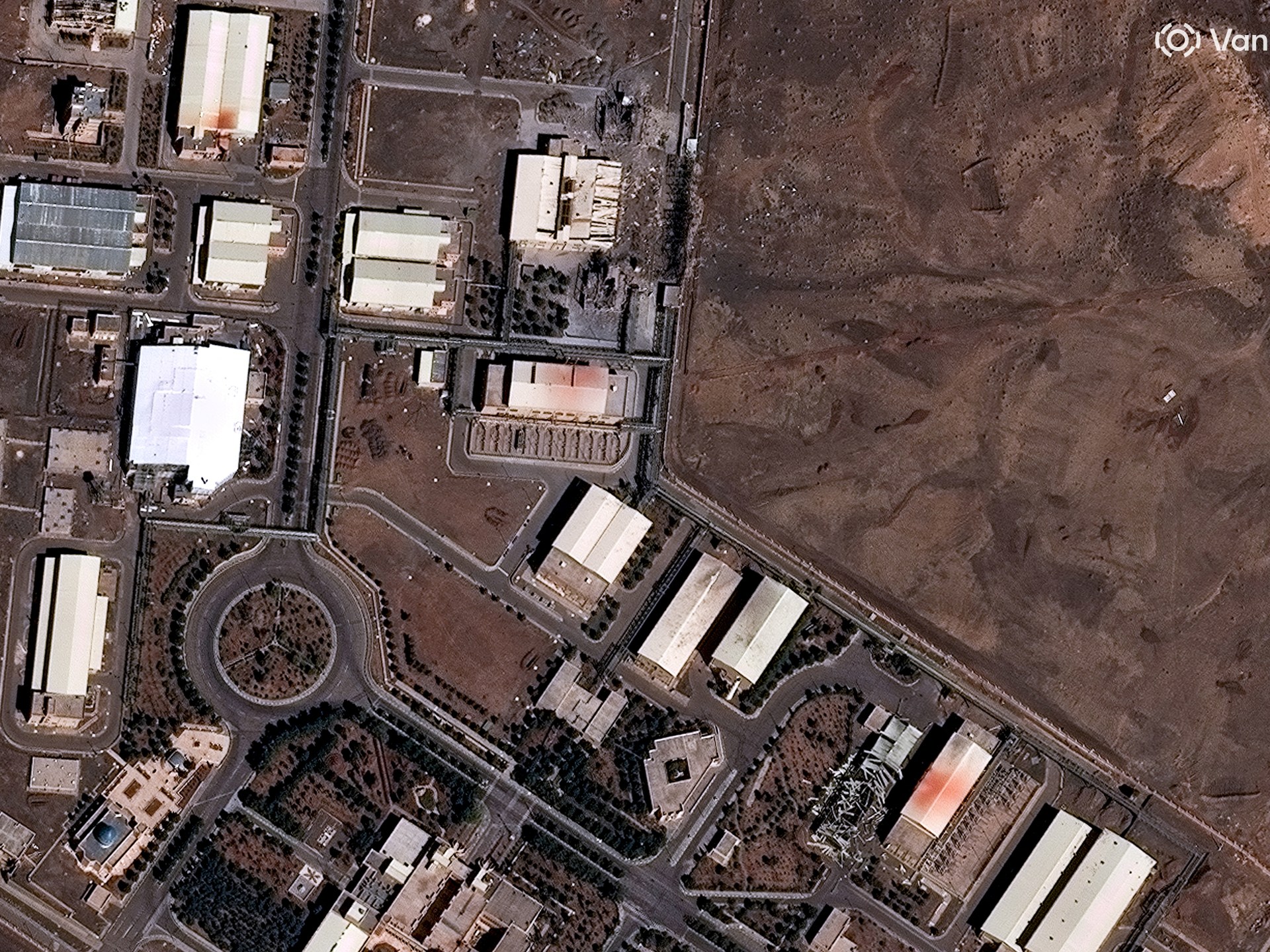
President Donald Trump announced on Friday that he is considering winding down military operations in Iran while simultaneously authorizing a deployment of 2,500 additional marines to the region. His administration requests Congress approve an additional $200 billion to fund the ongoing conflict which began in late February. Mixed signals emerged from the White House as oil prices surged and US stock markets reacted negatively to the escalation. This contradictory strategy highlights the complexity of the current geopolitical situation in the Middle East. Security experts warn that prolonged conflict could destabilize global energy supplies.
White House Press Secretary Karoline Leavitt stated on X that the Pentagon predicted four to six weeks to achieve the mission objectives. She noted that the armed forces are performing an exceptional job in crippling the Iranian regime capability. The administration has not yet defined the specific metrics for declaring victory over the past three weeks. Consequently, uncertainty remains regarding the duration of the military engagement despite the President's recent statements.
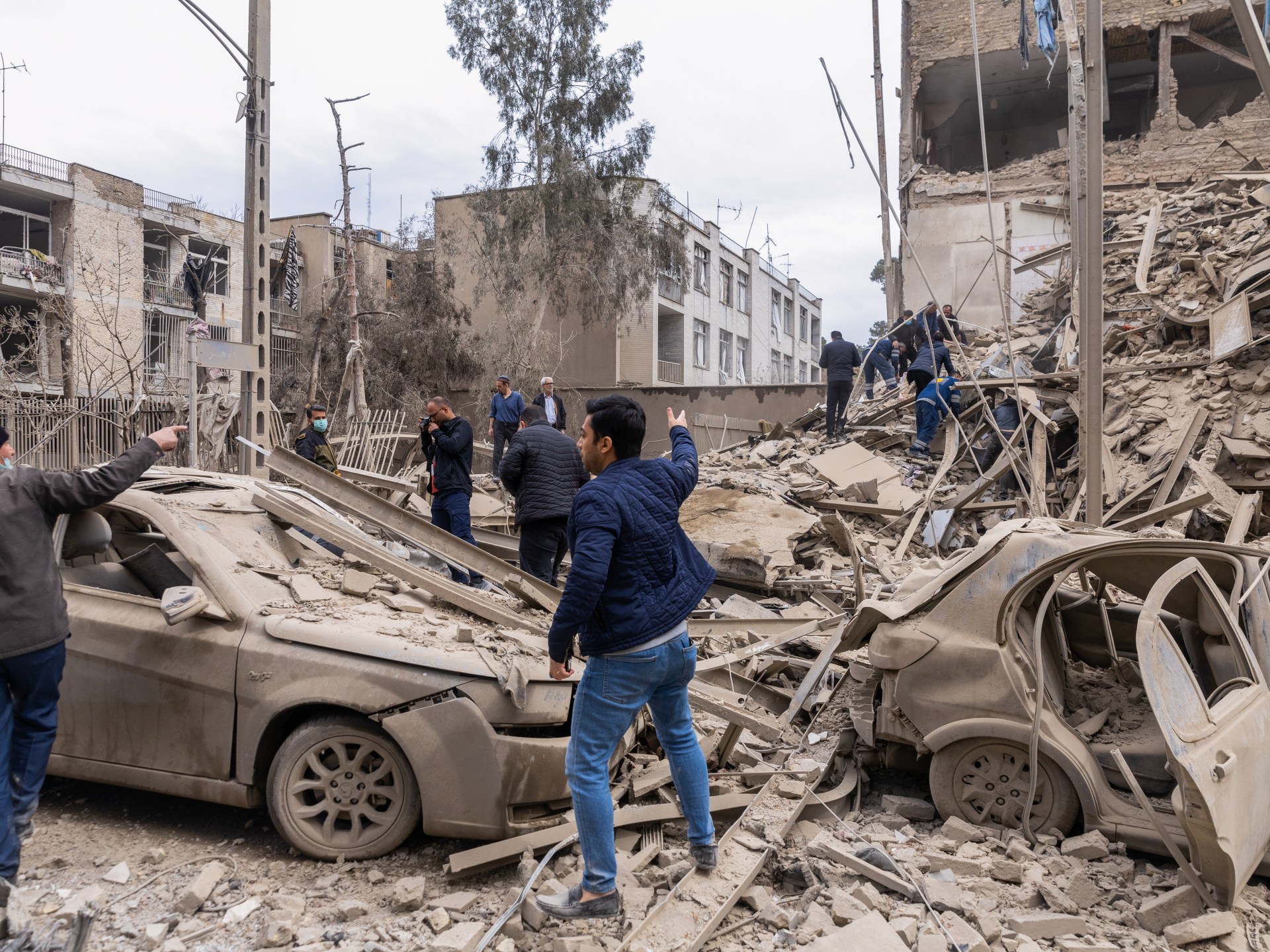
Despite the rhetoric about winding down, fighting continues in the Iranian capital of Tehran and nearby areas. The conflict escalated during the Persian new year, Nowruz, with at least two people killed by shelling in northern Iran. Regional allies reported significant defensive actions as Saudi Arabia downed 20 drones in its eastern oil regions. Iran also fired ballistic missiles at the Diego Garcia military base in the Indian Ocean.
Earlier this week, the US redirected amphibious assault ships from the Pacific to join more than 50,000 troops already in the region. Trump claimed he has no plans to send ground forces into Iran but asserts he retains all options for the war. The shifting rationales for the conflict range from eliminating nuclear programs to fomenting leadership uprisings. This ambiguity complicates the strategic outlook for international partners monitoring the situation closely.
Economic factors played a significant role as the administration lifted sanctions on Iranian oil already loaded on ships. This move aims to address soaring fuel prices that recently plunged US stock markets and threatened global trade. Analysts suggest that stabilizing energy costs is crucial for preventing further market volatility across the region. The decision reflects a balancing act between military objectives and domestic economic stability for the administration.
Iran Supreme Leader Mojtaba Khamenei issued a written statement on Friday calling the US-Israeli war a gross miscalculation. He praised the Iranian steadfastness in the face of war during the Nowruz address. Khamenei has not been seen in public since he became the supreme leader following the Israeli strikes. His comments underscore the deepening resolve on the Iranian side against foreign intervention.
More than 1,400 people have been killed in Iran during the war according to local authorities. Israeli bombing has also caused more than 1,000 deaths in Lebanon according to regional reports. At least 18 people have been killed by Iranian missiles in Israel and 13 US soldiers so far. These figures indicate a high human cost as the conflict intensifies across multiple fronts.
Congress will review the $200 billion request to fund the war effort in the coming weeks. Al Jazeera reporter Rosiland Jordan noted that the four to six week timeline is the new number coming from the administration. The lack of clarity regarding the war end date poses challenges for long-term planning. Investors and diplomats will watch closely for any further policy shifts from Washington. The next phase of the conflict depends heavily on congressional approval.