President Donald Trump stated on Tuesday that he has no objection to a Russian oil tanker delivering fuel to Cuba. The remark came in response to a New York Times report regarding the vessel's potential access to the island nation. This development marks a notable deviation from previous enforcement of sanctions in the region. According to CBS News, the President addressed the inquiry directly during a press interaction.
When asked for clarification, the President emphasized a lack of restriction on the shipment. This position contrasts with the strict containment strategies often associated with Western policy in the hemisphere. Analysts suggest this move may be intended to stabilize regional energy supplies for the island nation.
"If a country wants to send some oil into Cuba right now, I have no problem whether it is Russia or not," Mr. Trump said.
Cuba faces significant energy challenges that often rely on foreign imports to maintain power grids. The island nation has historically depended on Venezuelan and Russian energy partnerships to mitigate shortages. Allowing additional Russian capacity could relieve immediate pressure on local infrastructure without direct U.S. intervention. Sources indicate the economic implications extend beyond just fuel distribution.
Global Security Implications
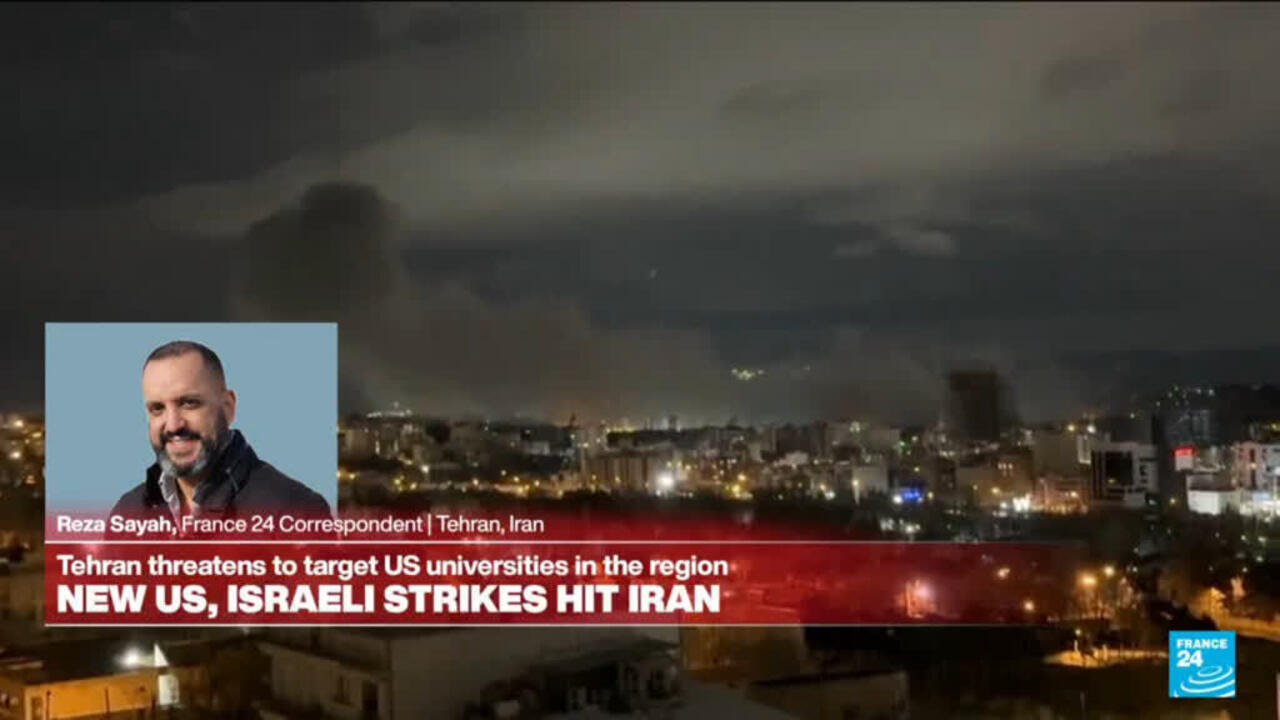
This decision occurs alongside heightened tensions between the United States and Iran in the Middle East. Recent reports indicate more than 3,500 U.S. troops have arrived in the region as the conflict intensifies. Simultaneously, the Trump administration has adjusted other diplomatic priorities, including asylum crackdowns. These concurrent events suggest a recalibration of global security and energy strategies.
Energy markets globally may react to changes in sanctioned oil movements within the Western Hemisphere. Fluctuations in crude prices often correlate with geopolitical instability in major producing regions. Investors are monitoring how Washington balances domestic energy needs with international sanctions. The move could influence how other nations approach similar trade restrictions.
Regional and Economic Outlook
Regional observers note that this shift impacts the balance of power in Latin American economies. Neighboring countries are watching closely for potential ripple effects on their own trade relationships. The administration's stance signals a pragmatic approach to energy security over ideological alignment. Future policy decisions will likely depend on the stability of energy flows in the Caribbean.
Experts predict that the administration will continue to prioritize immediate logistical solutions over long-term diplomatic friction. The resolution of these energy questions remains a priority for both U.S. allies and adversaries. Monitoring these developments will be essential for understanding the trajectory of hemispheric relations.