President Donald Trump confirmed Friday that United States forces struck military targets on Kharg Island, a critical node in Iran’s oil export network. The escalation marks a significant shift in the ongoing conflict as tensions rise across the Middle East. This development follows fresh missile attacks and growing instability that threatens global shipping lanes and regional stability.
An American official stated that 2,500 additional Marines and an amphibious assault ship are being deployed to the region. The USS Tripoli and elements of the 31st Marine Expeditionary Unit have moved from the Pacific Ocean toward the Persian Gulf waters. This reinforcement occurs nearly two weeks into the war with the Islamic Republic.
Kharg Island hosts the primary terminal handling the country’s oil exports, making it a strategic economic target. Trump warned that the island’s oil infrastructure could face destruction if Iran interferes with ship passage through the Strait of Hormuz. The Strait carries roughly 20% of the world’s traded oil supply daily.
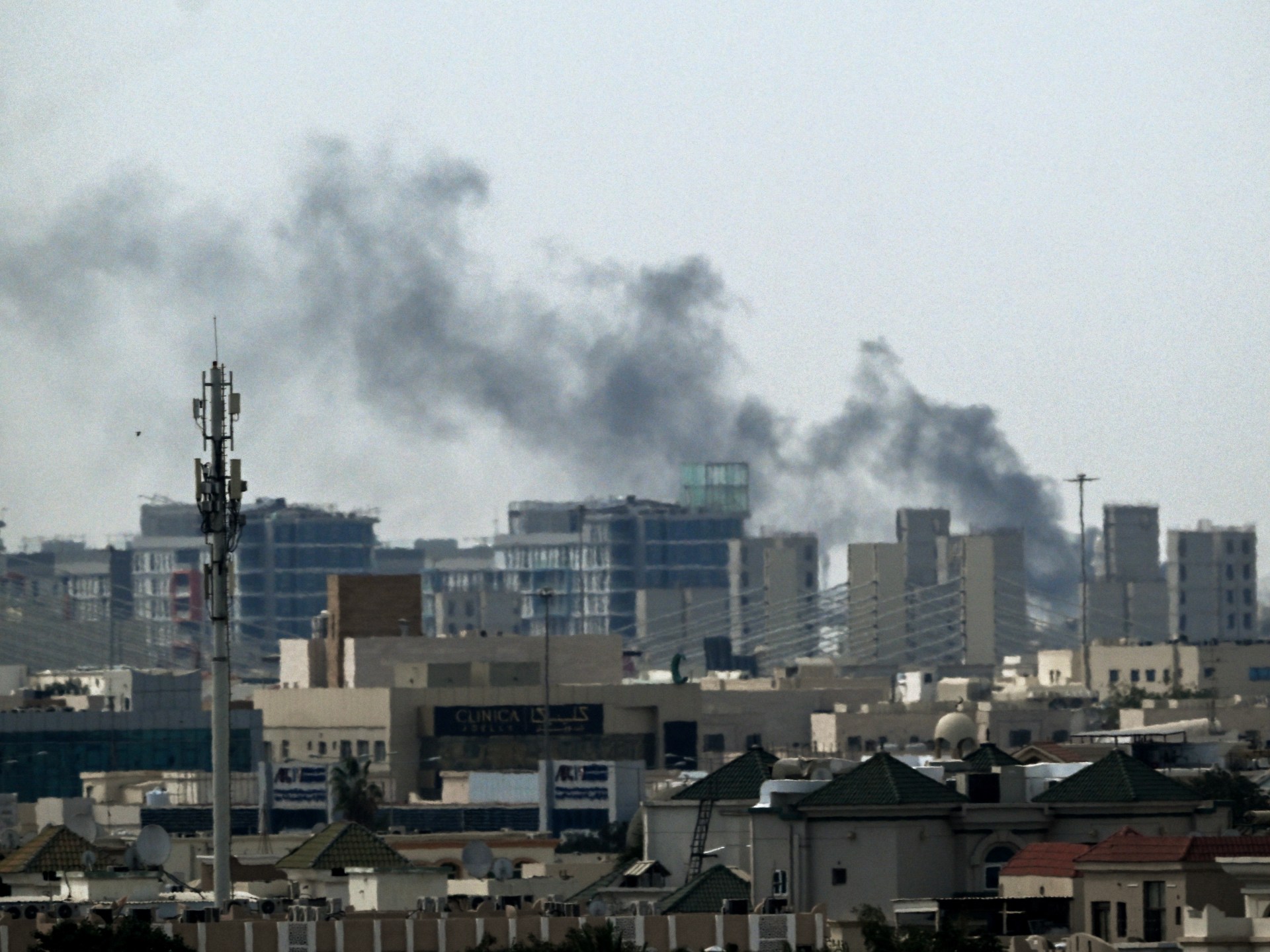
Earlier in the day, a large explosion rocked Ferdowsi Square in Tehran during an annual state-organized rally. The area was gathering thousands of people to support Palestinians and call for Israel’s demise when the blast occurred. No casualties were reported, though the Israeli military had issued a warning to clear the zone.
Defense Secretary Pete Hegseth announced that over 15,000 enemy targets have been struck since the conflict began. He stated that the United States has been managing bottlenecks in the Strait of Hormuz without major disruption. This figure represents more than 1,000 strikes per day according to Pentagon data released Friday.
Tragedy struck U.S. forces when a KC-135 refueling plane crashed in Iraq, killing all six crew members. U.S. Central Command confirmed the accident was not related to friendly or hostile fire. Two aircraft were involved in the incident, with one landing safely nearby.
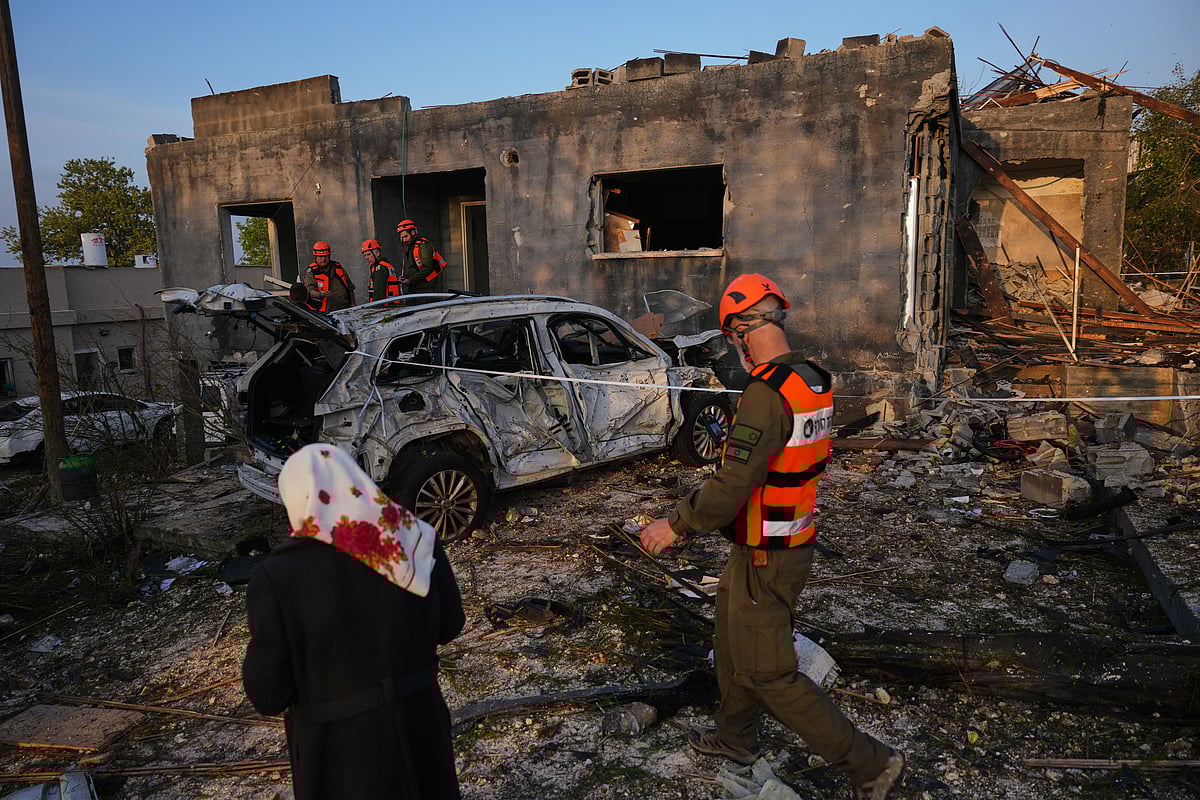
Fighting continues to intensify between Israel and Iran-backed Hezbollah militants in southern Lebanon. The Lebanese Health Ministry reported that 12 medical workers died in a strike on a health care center in Burj Qalaouiyah. Nearly 800 people have been killed and 850,000 displaced since the fighting erupted in the region.
Iranian officials have vowed severe retaliation if attacks continue on their southern maritime frontier. Mohammad Bagher Qalibaf, the speaker of the Iranian parliament, warned that such strikes would cause Iran to abandon all restraint. The economy relies heavily on these southern islands for revenue and security.
Trump told Fox News that the war would end when he feels it in his bones regarding the situation. He expressed skepticism about the ability of Iranians to topple the Islamic government without weapons. The paramilitary Basij force plays a central role in crushing nationwide protests.
Global markets will likely watch for further disruptions to energy supplies as the conflict expands. Investors remain concerned about potential closures of the Strait of Hormuz affecting oil prices. The situation shows no sign of letting up despite diplomatic efforts. Economic analysts predict significant volatility in the coming weeks.