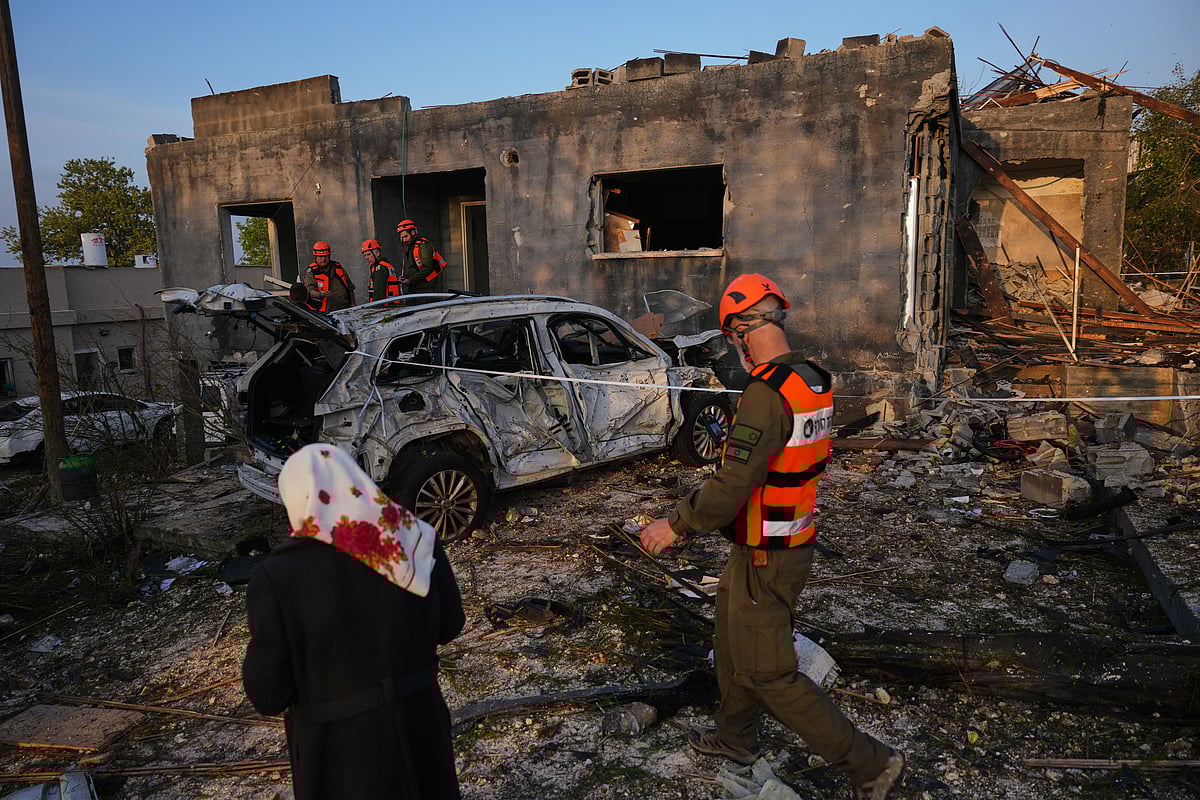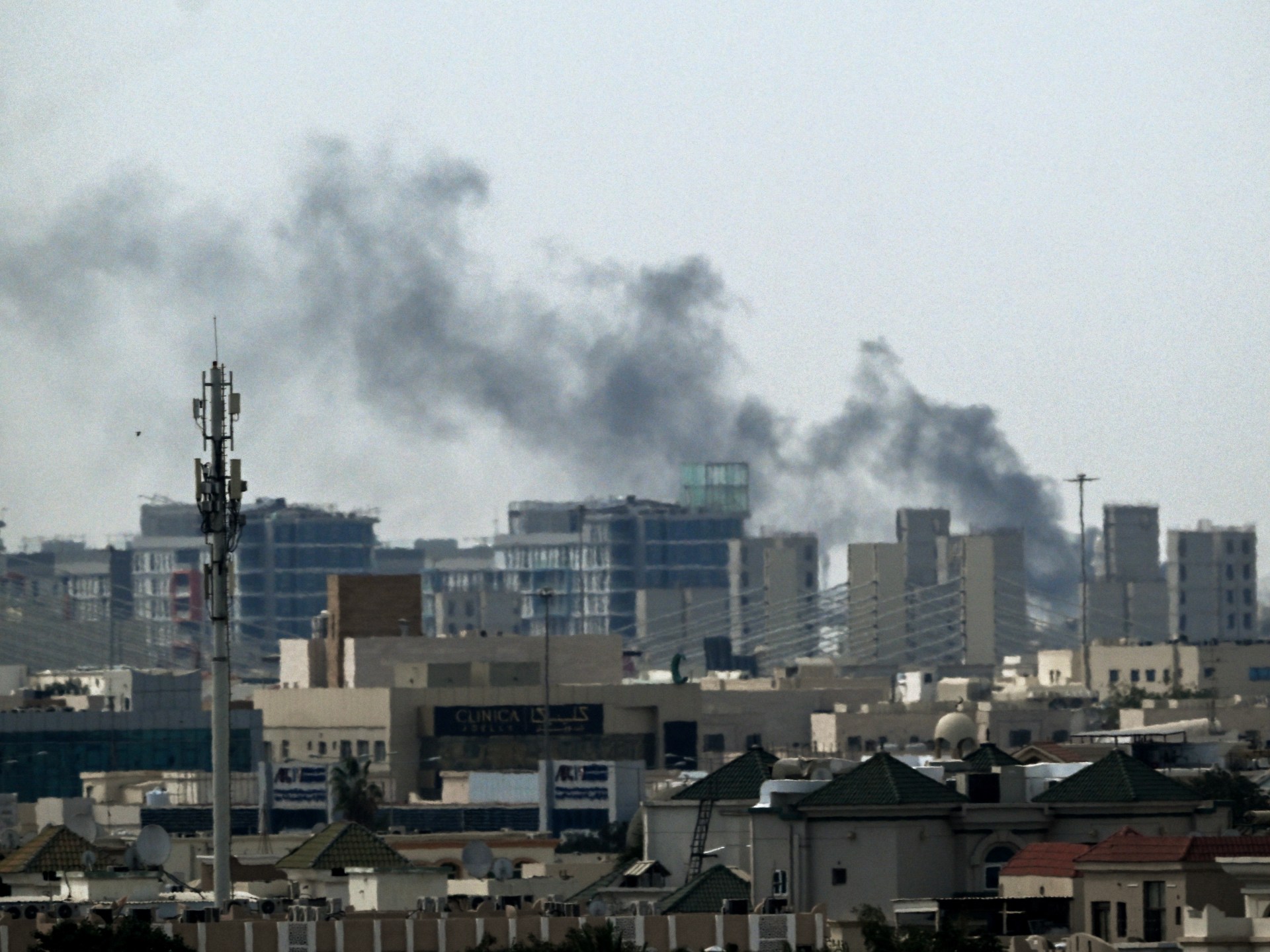
President Donald Trump confirmed on Friday that United States forces conducted airstrikes against military installations on Iran’s Kharg Island. The operation targeted oil facilities deemed critical to Tehran’s energy export capacity during escalating regional hostilities. This announcement marks a significant escalation in the ongoing conflict between Washington and the Islamic Republic.
Kharg Island serves as the primary hub for Iran’s crude oil exports to international markets and strategic energy partners. Strikes on this infrastructure could disrupt global energy supplies and trigger immediate volatility in commodity prices globally. Officials stated the targets were selected to degrade military capabilities rather than civilian assets directly.
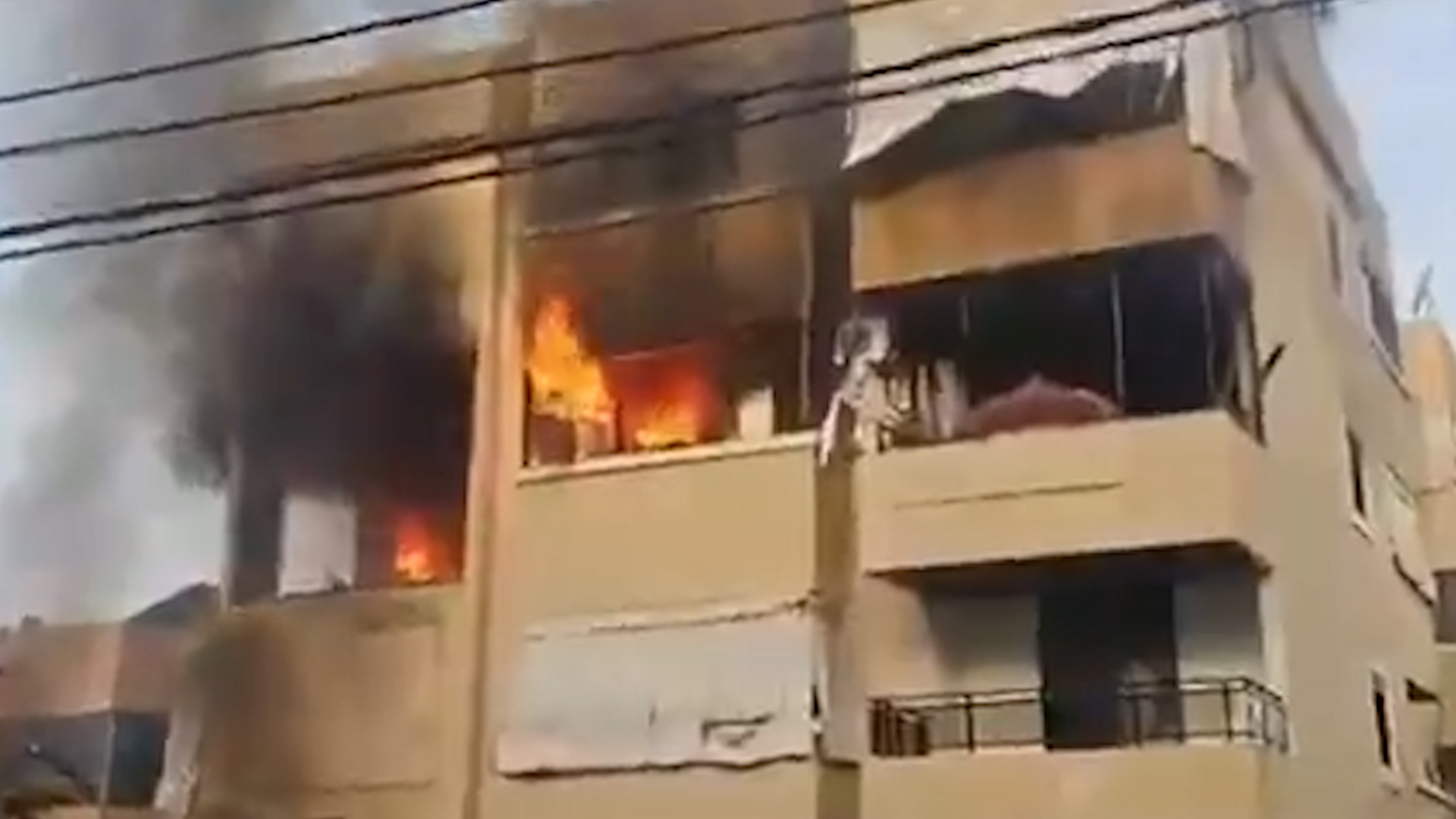
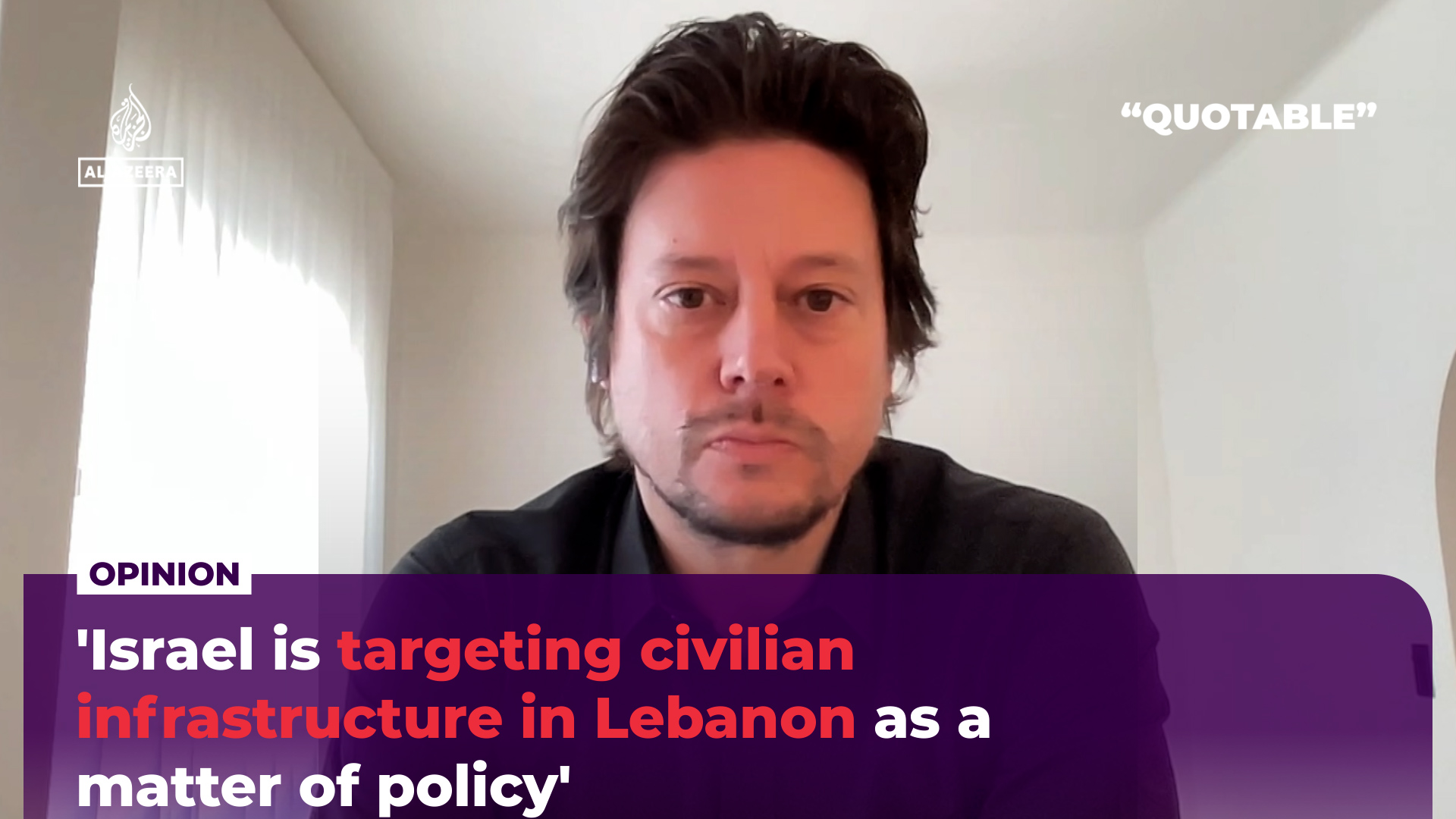
Simultaneously, Al Jazeera reported that Israel is targeting civilian infrastructure in Lebanon as a matter of policy. Nicholas Noe, a senior analyst, stated that the strategy appears aimed at fuelling sectarian divisions within the region. This approach contrasts sharply with previous military campaigns that focused primarily on combatant groups and specific threats.
Thousands of protesters gathered in central Tehran to defy the US-Israel actions while large blasts rocked the capital. Security forces reportedly clashed with demonstrators, leading to injuries and arrests across the city streets. The unrest highlights deep domestic dissatisfaction with the government’s handling of the external threats facing the nation.
Global markets reacted swiftly to the news, with Brent crude futures rising by more than 5% in early trading sessions. Energy analysts warn that prolonged conflict in the Persian Gulf could strain supply chains worldwide significantly. The economic fallout extends beyond oil prices to include shipping insurance and transport costs for exporters. Investors are also watching for potential sanctions adjustments that could impact trade flows.
This development follows weeks of heightened rhetoric from both sides regarding nuclear and missile capabilities in the region. Previous diplomatic efforts to de-escalate tensions have failed to produce a lasting agreement between the parties involved. The current military actions suggest a shift from containment to active engagement in the volatile region.
Regional allies have expressed concern over the potential for a wider war involving multiple state actors and proxies. The United Nations has called for an immediate cessation of hostilities to prevent further humanitarian casualties and displacement. International observers fear the conflict could spill over into neighboring countries like Syria and Iraq.
Future developments will depend on the response from Tehran and the strategic calculations of Washington regarding the conflict. Diplomatic channels remain open but are currently strained by the intensity of the military operations and rhetoric. Markets will closely monitor any signals regarding a potential ceasefire or further escalation in the coming days. The international community awaits clarity on the long-term objectives of the military campaign.