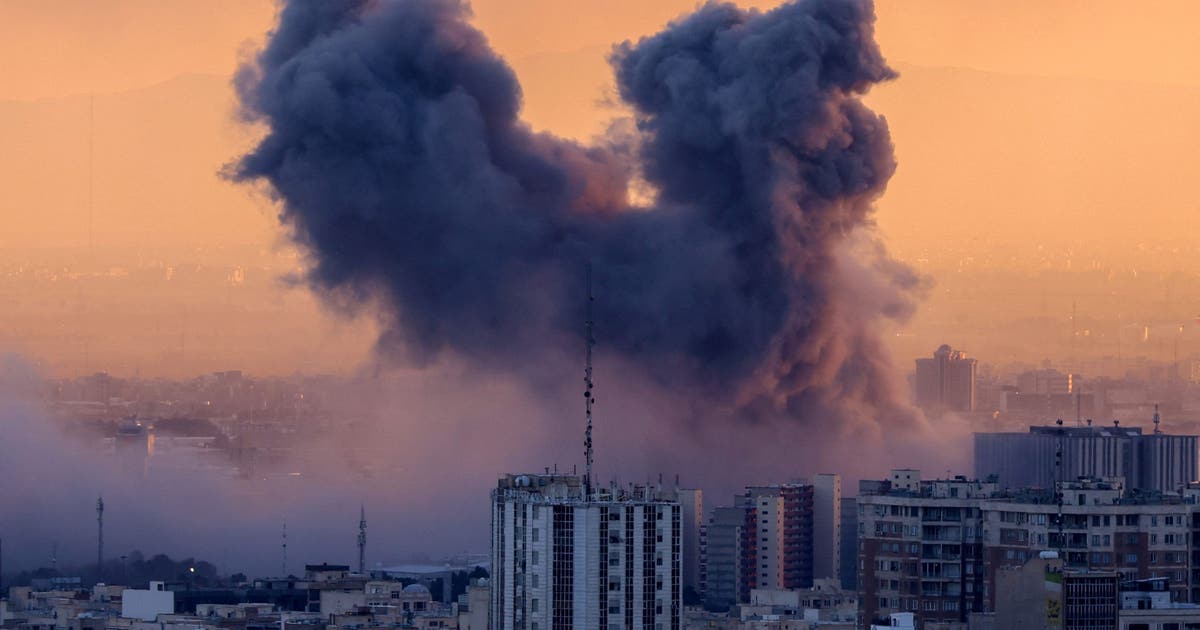
The Trump administration is reportedly evaluating a significant deployment of thousands of additional U.S. troops to the Middle East. This potential escalation coincides with ongoing conflicts between the United States, Israel, and Iran as the war enters its third week. Officials cite security concerns regarding the Strait of Hormuz and critical energy infrastructure as primary drivers for the discussion.
According to Reuters, a United States official and three other sources confirmed the consideration of ground forces for the region. The additional personnel could be dispatched to secure oil tankers traversing the Strait of Hormuz, a choke point handling 20% of global oil production daily. Commercial ships carrying critical cargo like pharmaceuticals and computer chips are also stalled in the region due to the disruptions.
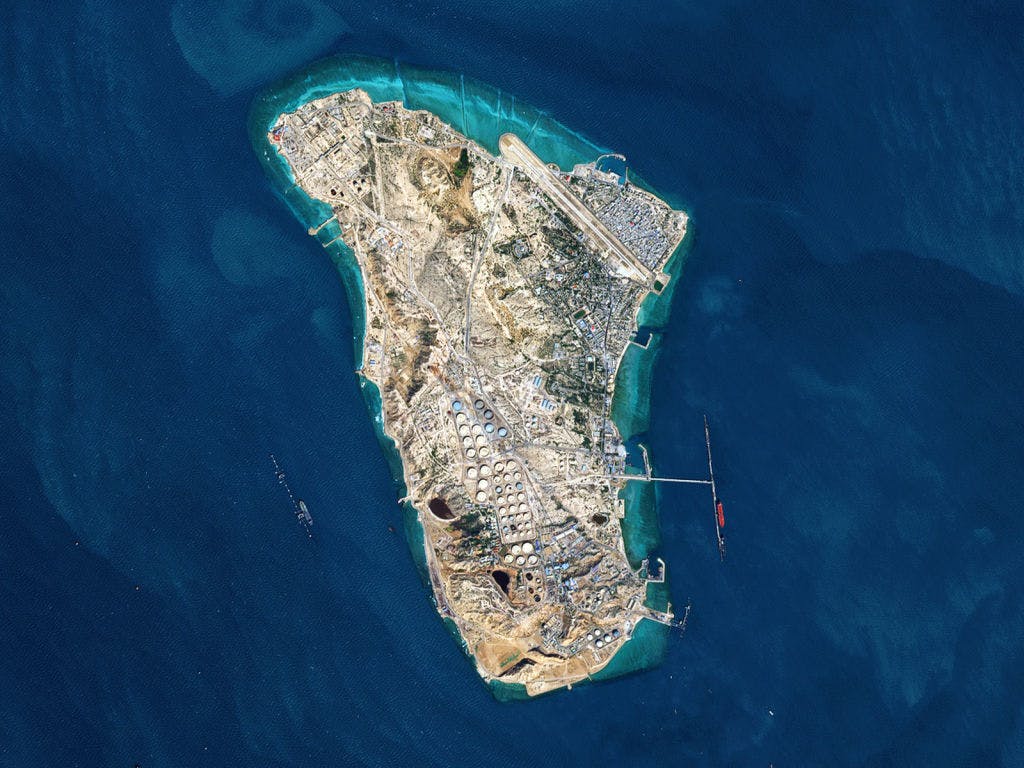
Securing the strait might require forces on Iran's shoreline, which presents significant tactical challenges for military planners. Sources indicate the administration also weighed deploying troops to Kharg Island, the hub for 90% of Iran's oil exports. Officials describe such an operation as risky due to the potential for Iranian missile and drone strikes against the island.
A third strategic option involves deploying United States forces to seize control of Iran's highly enriched uranium stockpiles. Security experts warn that securing these facilities would be extremely hazardous even for elite special forces units. This scenario remains theoretical, though it underscores the gravity of the military planning involved in the current conflict.
It remains unclear how many additional troops may be called up or when they will be deployed to the theater of operations. A White House official told Reuters that no decision has been made to send ground troops at this time. The official stated that President Trump keeps all options at his disposal to achieve objectives under Operation Epic Fury.
The potential deployment faces political headwinds as recent polling shows a majority of Americans oppose military action against Iran. Even some Republicans express wariness regarding the introduction of ground forces into the Iranian conflict zone. Voters also express significant concern that the war could drive up oil and gasoline prices for domestic consumers.
At least 13 United States military members have been killed since the attacks commenced on Feb. 28. In Iran, more than 1,300 people have died, while strikes have displaced over one million Lebanese citizens. The humanitarian cost continues to rise as the conflict extends its duration without clear resolution for the civilian population.
Global markets remain sensitive to any shift in military posture that could threaten energy supplies further in the coming weeks. A prolonged conflict risks destabilizing the broader Middle East region and complicating diplomatic efforts with regional allies. Investors and policymakers will watch for official announcements regarding force movements in the coming days.
The Pentagon declined to comment on the specific reports regarding troop numbers or destinations for the new units. As the situation evolves, the administration must balance military objectives with domestic political pressure and economic stability. Future developments in this theater will likely dictate the trajectory of global trade and security alliances.