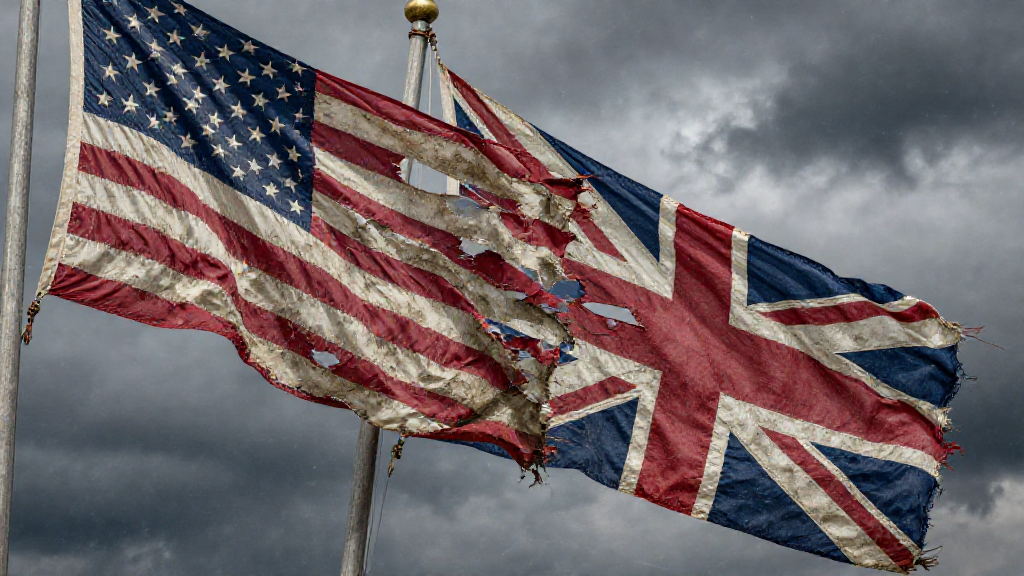
A recent assertion by former US President Donald Trump, claiming that British and NATO allies largely avoided frontline combat in the Afghanistan conflict, has ignited a significant diplomatic and political firestorm in the United Kingdom. The comments, made during an interview, have prompted unusually direct condemnations from senior political figures and members of the British Royal Family, underscoring the sensitivity surrounding the nation's military legacy in the two-decade engagement.
The most high-profile response came from Prince Harry, the Duke of Sussex, who served two tours in Afghanistan as an Army Air Corps co-pilot gunner. In a carefully worded statement, the Duke emphasized the collective nature of the NATO commitment following the invocation of Article 5 in 2001. He stressed that 457 UK service personnel were killed and thousands more lives irrevocably altered. “Those sacrifices deserve to be spoken about truthfully and with respect,” Prince Harry stated, highlighting the enduring cost borne by bereaved families.
The political establishment swiftly followed suit. Sir Keir Starmer, Leader of the Opposition, described the former President’s remarks as “insulting and frankly appalling,” acknowledging the courage of those who served. Downing Street has also reportedly called for an apology, framing the comments as an unacceptable slight against a key security partner.
The geopolitical implications of such public friction are noteworthy. The Afghanistan campaign represented one of the longest and most sustained multinational military efforts in recent history, underpinned by the NATO alliance structure. Trump’s remarks serve to undermine the perceived shared burden of that collective security endeavor, potentially complicating future coalition-building efforts and alliance cohesion.
Furthermore, the controversy has resonated deeply within military families. Diane Dernie, mother of Ben Parkinson, one of the most severely wounded British soldiers from the conflict, branded the claims an “absolute disgrace.” Her testimony underscores the tangible human cost that political rhetoric often glosses over, adding a layer of moral urgency to the diplomatic spat.
This incident highlights the persistent challenge of reconciling domestic political narratives with the complex realities of international military cooperation. As Western nations continue to pivot strategic focus towards new geopolitical theatres, the lingering political fallout from previous engagements like Afghanistan remains a volatile element in transatlantic relations.
Source: Based on reporting from LBC and associated UK media outlets.