Tokyo Court Awards $570,000 to North Korea Deportation Scheme Survivors
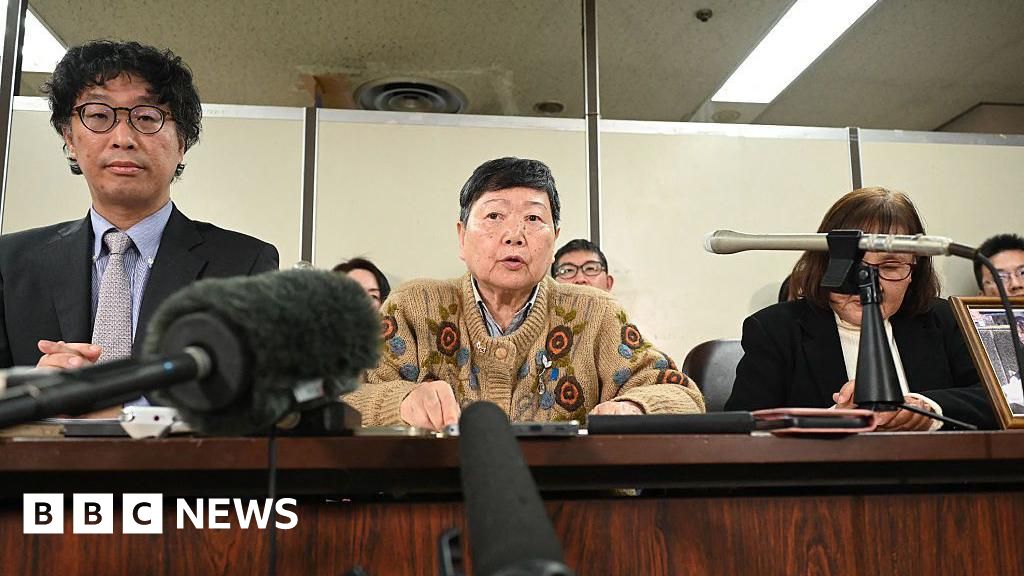
A Tokyo court has ordered North Korea to pay 88 million yen ($570,000) in compensation to four survivors of a decades-old resettlement scheme that lured ethnic Koreans from Japan with false promises of prosperity, marking a significant legal precedent despite limited enforcement prospects.The ruling, delivered Monday by Tokyo District Court, represents the first time a Japanese court has exercised sovereignty against North Korea to formally recognize state-sponsored deception that affected over 90,000 people between 1959 and 1984.The plaintiffs, part of Japan's Zainichi Korean community, were among thousands who relocated to North Korea under a program marketed as offering "paradise on Earth" with free healthcare, education, and employment opportunities. Instead, survivors testified to experiencing forced agricultural and factory labor, movement restrictions, and inability to leave the country."It's not an overstatement to say most of their lives were ruined by North Korea," Judge Taiichi Kamino stated during the ruling, according to court proceedings.The case centers on systematic human rights violations spanning decades. Eiko Kawasaki, now 83, was among the plaintiffs who moved to North Korea in 1960 at age 17 and managed to escape only in 2003. The legal battle began in 2018 when five survivors filed compensation claims, though two have since died.The resettlement program emerged during Cold War tensions when North Korea, supported by the Japanese Red Cross and pro-Pyongyang organizations, promoted repatriation as a humanitarian solution for ethnic Koreans facing discrimination in post-war Japan. The initiative effectively served North Korea's labor needs while removing a marginalized population from Japan.Legal proceedings faced significant jurisdictional challenges. A 2022 Tokyo district court initially rejected claims, citing jurisdictional limitations and expired statutes of limitations. However, the Tokyo High Court reversed this decision in 2023, establishing Japanese jurisdiction and recognizing rights violations."This was the first time a Japanese court exercised its sovereignty against North Korea to recognize its malpractice," said Atsushi Shiraki, representing the plaintiffs, describing the ruling as "historic."The judgment remains largely symbolic given North Korea's non-participation in proceedings and absence of diplomatic mechanisms for enforcement. Pyongyang has consistently ignored Japanese court summons, and leader Kim Jong Un has not responded to legal communications.Kenji Fukuda, another plaintiff attorney, acknowledged the ruling's significance while noting the "challenge" of securing actual compensation from North Korea. The case highlights broader issues surrounding historical injustices and state accountability in Northeast Asian geopolitics.The ruling may influence similar cases and international legal precedents regarding state responsibility for systematic human rights violations, particularly in contexts involving transnational population movements during the Cold War era.Source: BBC News, Associated Press, AFP