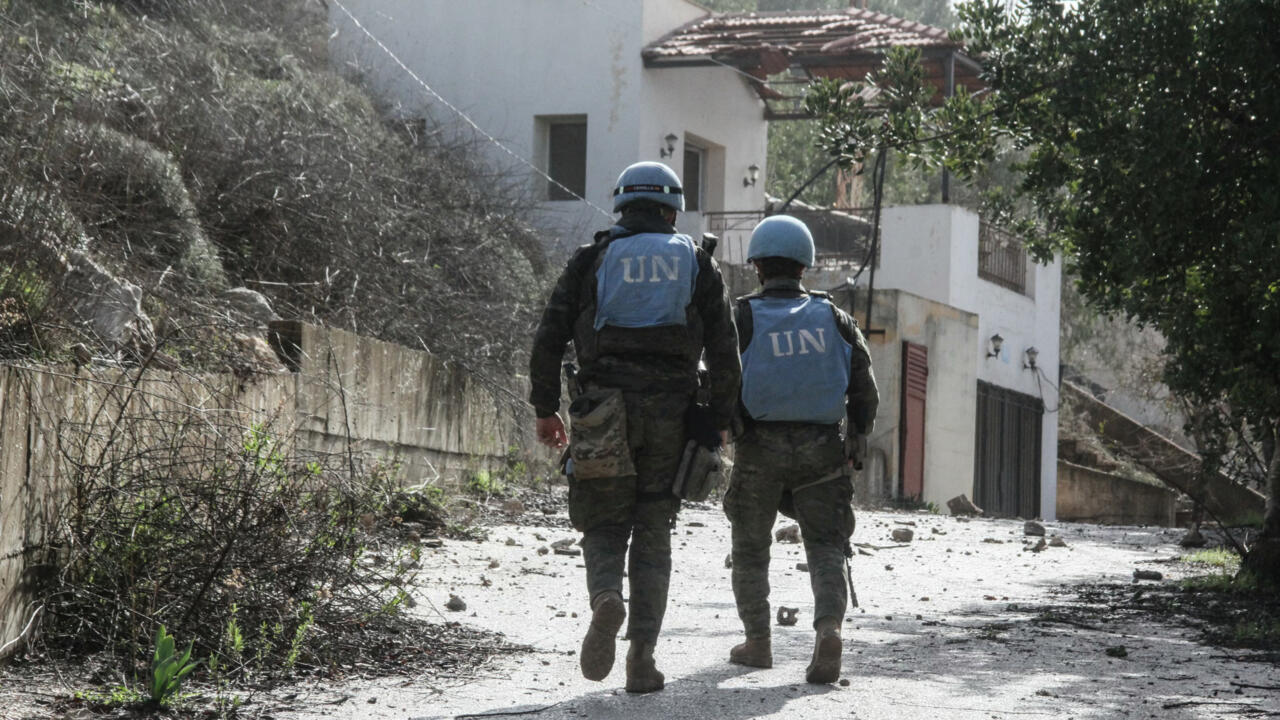
The United Nations confirmed on Monday that three peacekeepers died in south Lebanon over a 24-hour period of intense fighting. This surge in fatalities occurs as Israel and Hezbollah intensify hostilities along the disputed Blue Line border. The blasts mark a significant and dangerous escalation for the UN Interim Force in Lebanon mission.
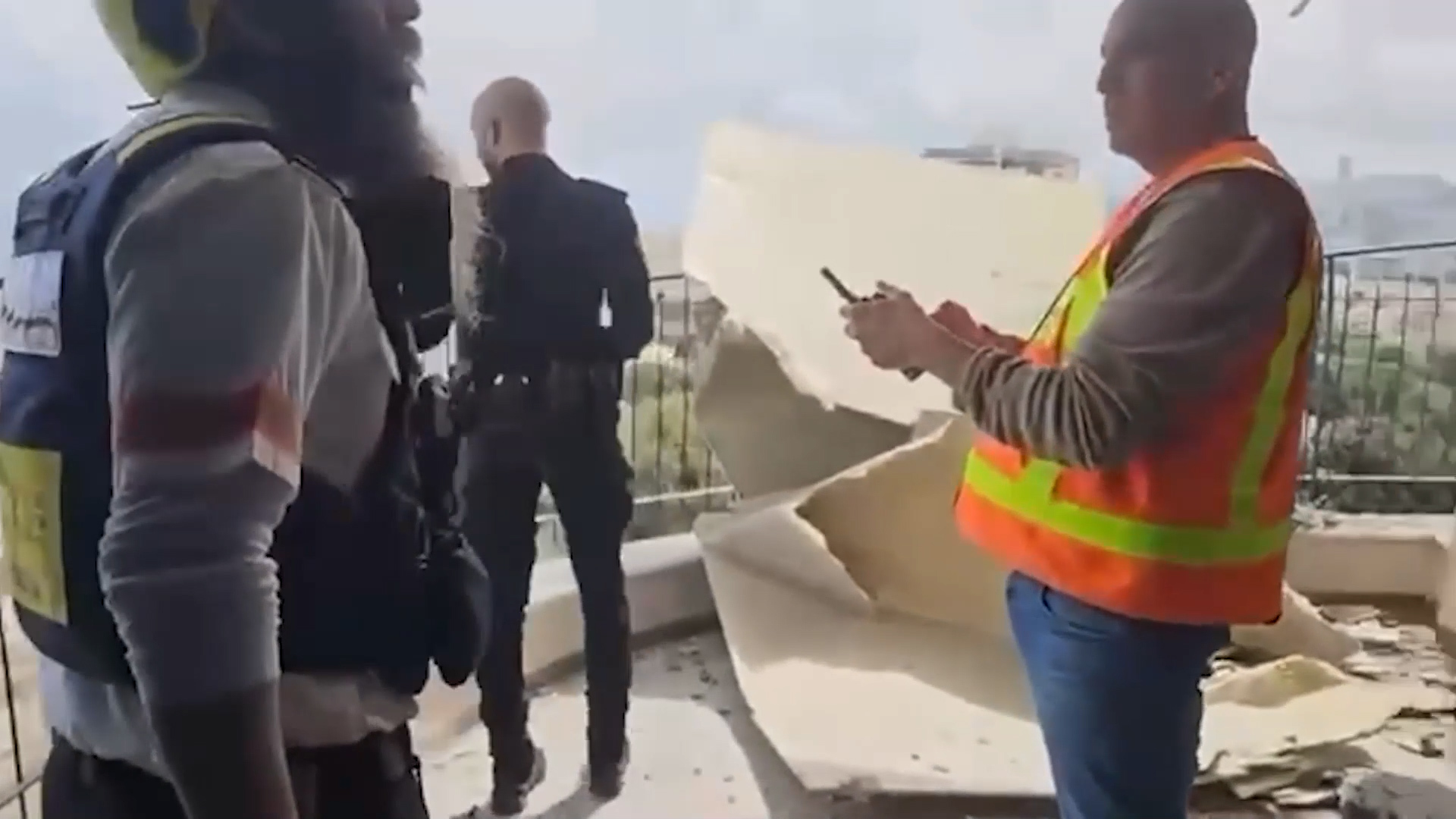
Two Indonesian nationals perished when an explosion destroyed their vehicle near the southern border area. A third Indonesian soldier died the day before from a projectile that exploded near a UNIFIL position. Officials stated the origin of both incidents remains undetermined pending further investigation by the force.
UNIFIL Mandate Context
The mission mandate expires on December 31, 2026, with plans for an orderly withdrawal by the end of 2027. Pressure from Washington and Jerusalem drove the Security Council decision to end the force. Lebanon authorities seek an international presence to replace UNIFIL troops immediately after the withdrawal.
Since the conflict erupted this month, the force has lost more members than in previous years of operation. Over the past decades, the mission has seen approximately 340 personnel killed in the line of duty. UNIFIL patrols the 120-kilometre border region daily to monitor the ceasefire terms and maintain neutrality.
Regional Security Outlook
UN Secretary-General Antonio Guterres condemned the attacks as unacceptable during a visit to the region. He noted that attacks against peacekeepers may constitute war crimes under international law. "Attacks against our personnel are completely unacceptable," Guterres said.
Italy intends to maintain a military presence after the UN mission concludes its operations. French officials suggested the Lebanese army should assume security duties upon withdrawal. These diplomatic moves reflect the complex power dynamics in the region and NATO interests.
Israel plans to establish a buffer zone up to the Litani River to secure its northern frontier. This move pushes the front lines further north from the original frontier near the coast. Hezbollah has built extensive infrastructure in the south despite the 2006 ceasefire terms.
The deaths highlight the risks for neutral observers in active combat zones across the globe. Financial markets often react to instability in the Middle East oil corridor and supply chains. Investors will monitor whether the violence spreads to wider regional allies and impacts global stability. Energy prices could rise if shipping lanes through the Red Sea face disruption from the conflict.