The European Union has formally inscribed Iran's Islamic Revolutionary Guard Corps (IRGC) onto its 'terrorist list,' a move that signals a sharp deterioration in diplomatic and economic relations with Tehran. This decision, while symbolic, carries significant legal weight for EU member states regarding asset freezes and cooperation against the organization.
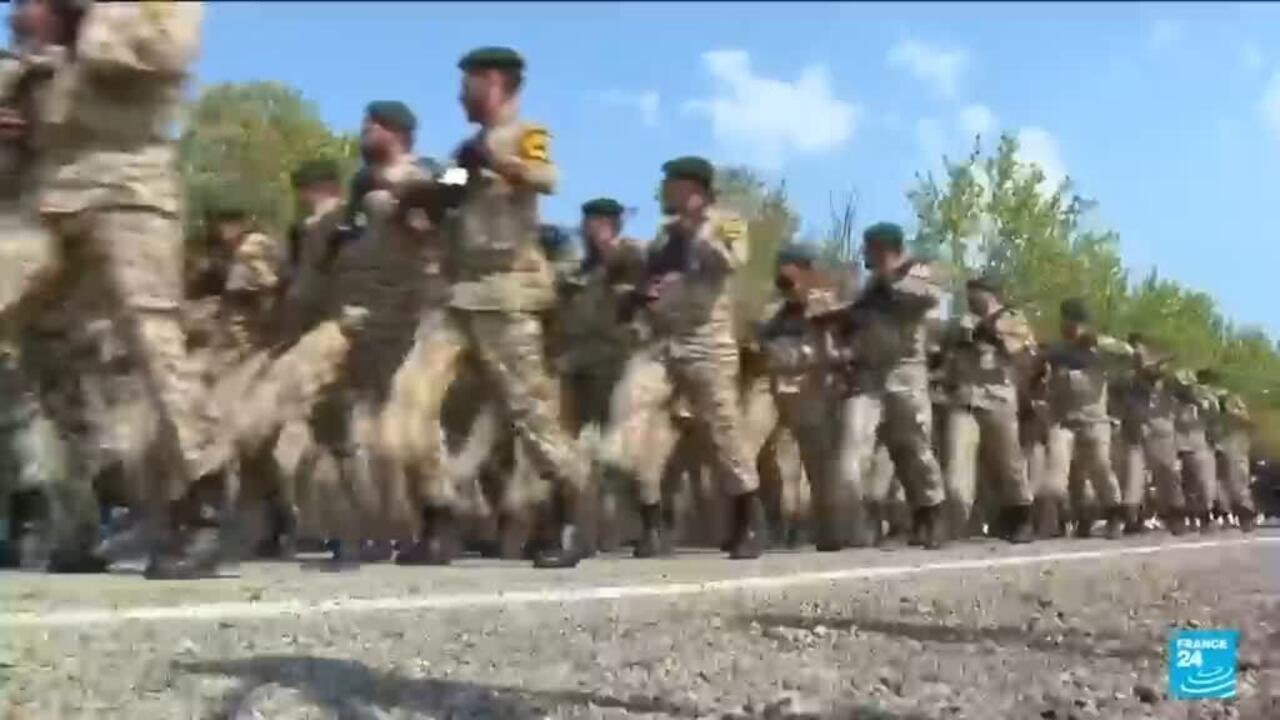
Established in the wake of the 1979 Islamic Revolution, the IRGC has evolved far beyond its initial mandate as a purely ideological military force. It now stands as arguably the most powerful and deeply entrenched institution in the Islamic Republic, wielding influence across security, political, and economic spheres.
Geopolitically, the IRGC functions as the primary projection arm of Iranian foreign policy, overseeing proxy networks across the Middle East, often through its external operations arm, the Quds Force. Domestically, it has consistently served as the regime's iron fist, notably in suppressing widespread internal dissent and pro-democracy demonstrations through lethal force.
Critically for global markets, the IRGC is not merely a security apparatus; it is a vast economic engine. Through numerous front companies and subsidiaries, the organization controls substantial portions of Iran's construction, engineering, telecommunications, and energy sectors, effectively insulating key parts of the Iranian economy from international oversight and sanctions evasion efforts.
The EU designation forces member states to implement stricter measures against any entity or individual found to be associated with the IRGC, potentially complicating existing trade and financial flows, even those ostensibly compliant with existing US sanctions regimes.
This action places the EU in closer alignment with the United States, which designated the IRGC as a Foreign Terrorist Organization (FTO) in 2019—a move that Tehran vehemently contested. The European move is seen by analysts as a direct response to Iran's continued support for regional actors and its handling of domestic unrest, putting pressure on the future prospects of reviving the Joint Comprehensive Plan of Action (JCPOA).
For Tehran, the designation is viewed as an act of economic warfare and political provocation. It reinforces the narrative of external hostility, which the regime often utilizes to consolidate internal support, though it simultaneously increases the operational complexity for the IRGC's international financial activities.
Source: Based on reporting by France 24 and international wires.