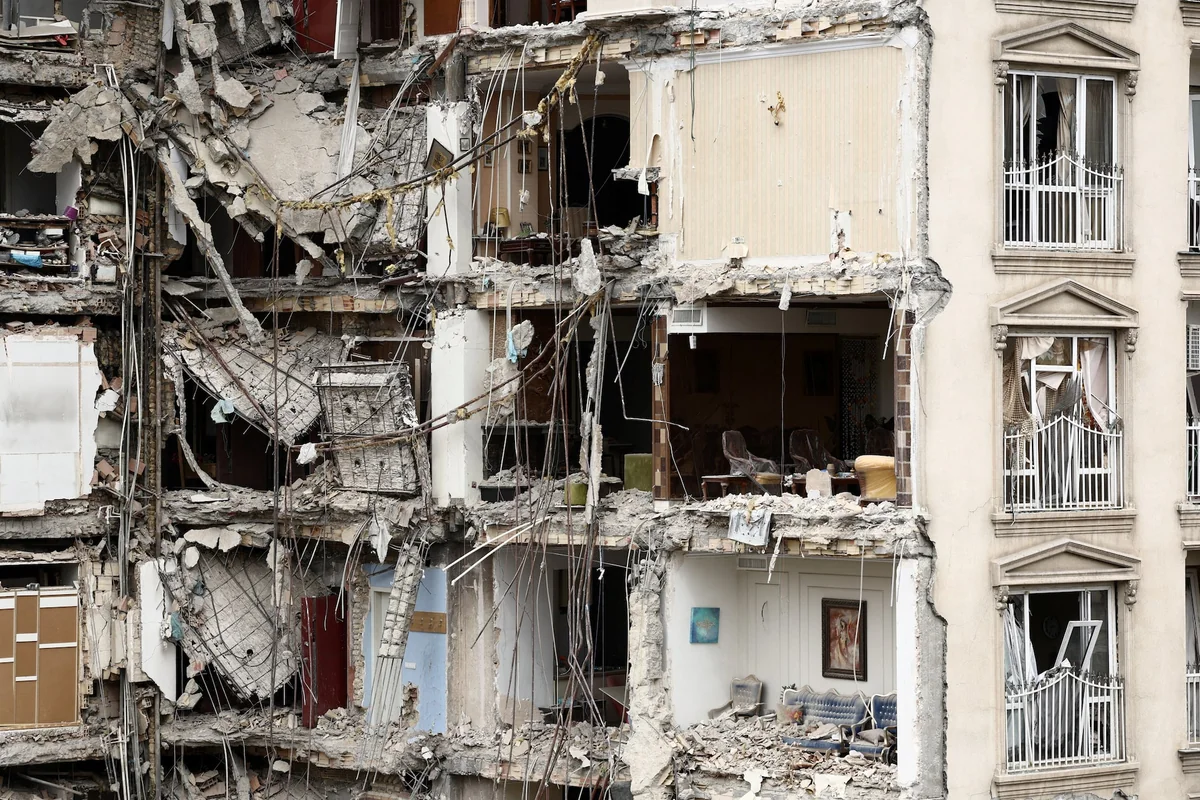
TEHRAN — Sana, a 27-year-old risk control analyst, remains in her western Tehran apartment despite intensified airstrikes that have left the capital in a state of constant, fragile tension. After fleeing the city during a 12-day conflict last June, she made a firm decision to stay put when the latest round of fighting began on February 28.
“No matter what happens, I am not leaving Tehran,” Sana said. She shares her home with her roommate, Fatemeh, and her cat, Fandogh, relying on supermarket deliveries to avoid the dangers of the street.
The conflict has forced residents into a grim routine of anticipating strikes during early morning and late-night windows. The city’s infrastructure is under severe strain, with residents facing total internet blackouts and restricted access to basic services.
Surviving the siege
The night of March 16 marked a turning point in the intensity of the attacks. A series of explosions near Mehrabad airport forced Sana and Fatemeh to abandon their apartment and take shelter in a parking garage.
“I genuinely thought I was going to die,” Sana recalled of the night, during which multiple blasts lit up the sky. When she returned to her apartment, she found her cat trembling in a wardrobe.
The psychological toll of the war is compounded by economic instability. On April 4, Sana returned to her office to find that nearly half of her colleagues had been laid off. “I will never forget her tears,” she said, describing a coworker who had just received a termination letter.
Beyond the immediate threat of missiles, the environmental impact of the war is visible across the capital. Sana described a day when an oil depot was struck, causing the sky to turn “pitch black” in the middle of the afternoon.
Despite the fear and the shrinking job market, Sana continues to cling to her daily routines. She reads books and watches downloaded shows, attempting to carve out a sense of stability in a city that has become a war zone. For many residents, the choice to stay is not a sign of safety, but an act of defiance against the displacement that defined the previous conflict.