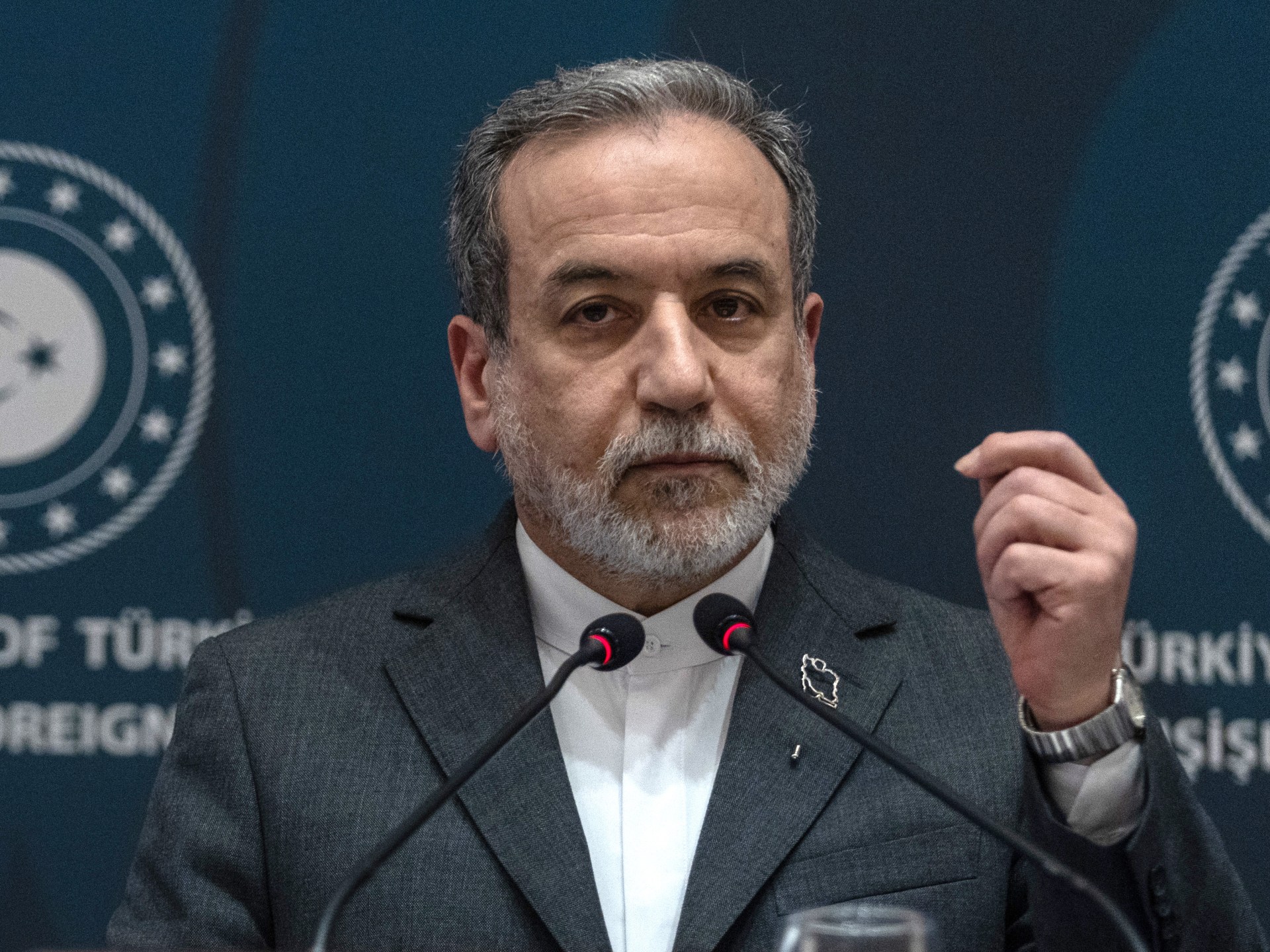
Iranian Foreign Minister Abbas Araghchi announced that Tehran is prepared for negotiations with the United States, provided they are conducted on a "fair and equitable" basis and are not conducted "under the shadow of threats." This statement was issued while the minister was visiting Turkiye, a regional diplomatic hub, on Friday.
Araghchi delivered a firm demarcation, asserting unequivocally that Iran's defensive missile capabilities would never be a subject for negotiation with any external party. He stressed that the security requirements for the Iranian populace are internal matters, and the nation will maintain and expand its defense posture as deemed necessary for sovereignty.
These comments arrive as US President Donald Trump has maintained military pressure, reportedly sending a "massive armada" led by the USS Abraham Lincoln aircraft carrier toward the region. Trump indicated readiness to use force if necessary to bring Iran back to the negotiating table regarding its nuclear programme.
Earlier this week, the US President confirmed the movement of additional naval assets toward Iran, stating an aspiration for a deal while maintaining an ambiguous deadline for Tehran to comply. Al Jazeera reported from Washington that this lack of specificity leaves international observers uncertain about Washington's immediate next steps.
Since unilaterally exiting the 2018 nuclear accord, the US has intensified pressure, demanding Iran halt all uranium enrichment activities based on allegations of covert weapon development, which Tehran consistently denies. Iranian leadership has reiterated its willingness to negotiate only after military threats are withdrawn.
Regional intermediaries, including Turkiye, the UAE, and Saudi Arabia, are reportedly engaged in active diplomatic efforts to de-escalate the situation and avert military confrontation. Turkish President Recep Tayyip Erdogan communicated Ankara's availability to serve as a facilitator between the two adversaries.
Turkish Foreign Minister Hakan Fidan confirmed discussions with US Special Envoy Steve Witkoff, emphasizing the necessity of restarting US-Iran nuclear talks to facilitate the lifting of international sanctions. Fidan urged both parties to return to structured discussions to address outstanding issues sequentially.