Tehran is activating contingency governance structures as the specter of military confrontation with the United States and Israel intensifies. President Masoud Pezeshkian convened key regional and economic officials this week to formally delegate significant administrative responsibilities to border province governors, should a conflict disrupt central command, according to state media reports.
A newly formed working group is tasked with ensuring an uninterrupted supply chain for basic necessities, particularly foodstuffs. Crucially, governors have been granted unprecedented latitude to authorize imports via non-foreign currency mechanisms, including direct bartering and simplified customs procedures for goods brought in by maritime personnel. President Pezeshkian emphasized the mandate extends to any goods linked to market stability and public livelihood, framing the measure as a means to neutralize some effects of the stringent US and UN sanctions regime.
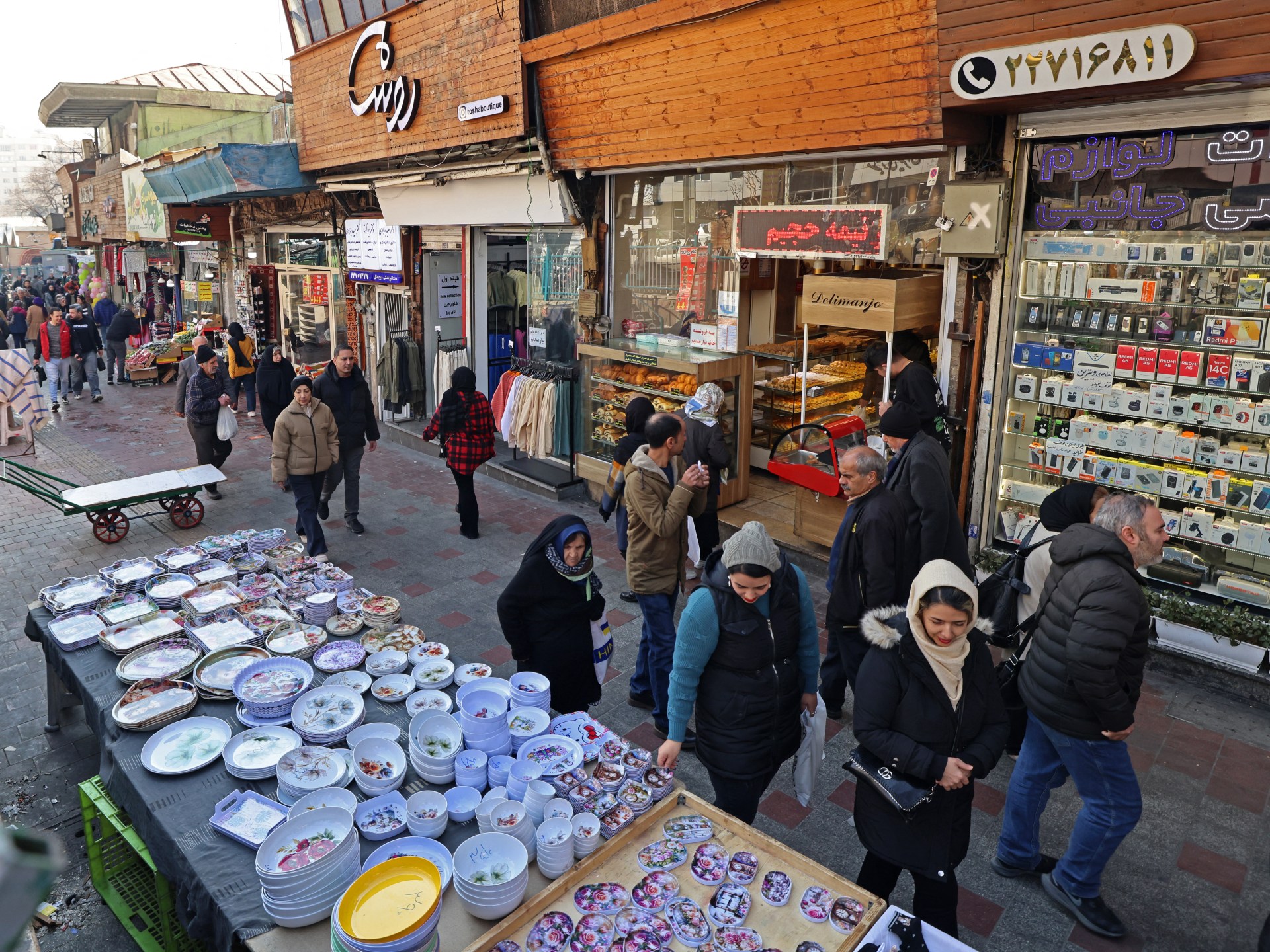
However, these administrative preparations occur against a backdrop of profound domestic economic distress, exacerbated by a near-total internet shutdown imposed since January 8 amidst widespread civil unrest. The mandated digital blackout has severely hampered the formal economy, with online businesses paralyzed and traditional commerce suffering from reduced consumer traffic, even as security forces maintain a visible presence in commercial centers like Tehran’s Grand Bazaar.
The resulting volatility is acutely visible in the currency markets. Following partial reopenings, the Iranian rial has entered a freefall, trading near 1.6 million to the US dollar—a depreciation exceeding 100% from mid-2025 levels. Central Bank Governor Abdolnasser Hemmati attempted to temper concerns, describing the currency market as stabilizing and citing $2.25 billion in registered state-managed trade transactions as an 'acceptable' figure. This assessment immediately drew sharp criticism from conservative media outlets, questioning its alignment with market realities.
Domestically, the administration is simultaneously navigating political headwinds. Hardline factions continue to pressure the moderate cabinet, forcing Supreme Leader Ali Khamenei to publicly intervene, forbidding internal political attacks while the nation grapples with supply security. Pezeshkian’s administration has focused anticorruption efforts on eliminating subsidized currency allocations for imports, redirecting aid via electronic coupons. Yet, the value of these coupons—intended for food purchases—has rapidly eroded, currently equating to barely $6 per recipient per month.
Inflation remains critically high, hovering near 50% annually, with further cost pressures mounting. Major state-controlled automakers are signaling significant price hikes—up to 60% for some models—as the Iranian calendar year nears its close, although government intervention is reportedly attempting to mitigate these increases. The Tehran Stock Exchange’s primary index (TEDPIX) has also reflected this uncertainty, retreating sharply from recent highs.
This confluence of external military threat, internal political friction, and systemic currency collapse forces the government into a reactive posture, prioritizing basic provisioning through decentralized executive authority. The effectiveness of these emergency measures in insulating the 90 million population from further economic shock remains highly uncertain.