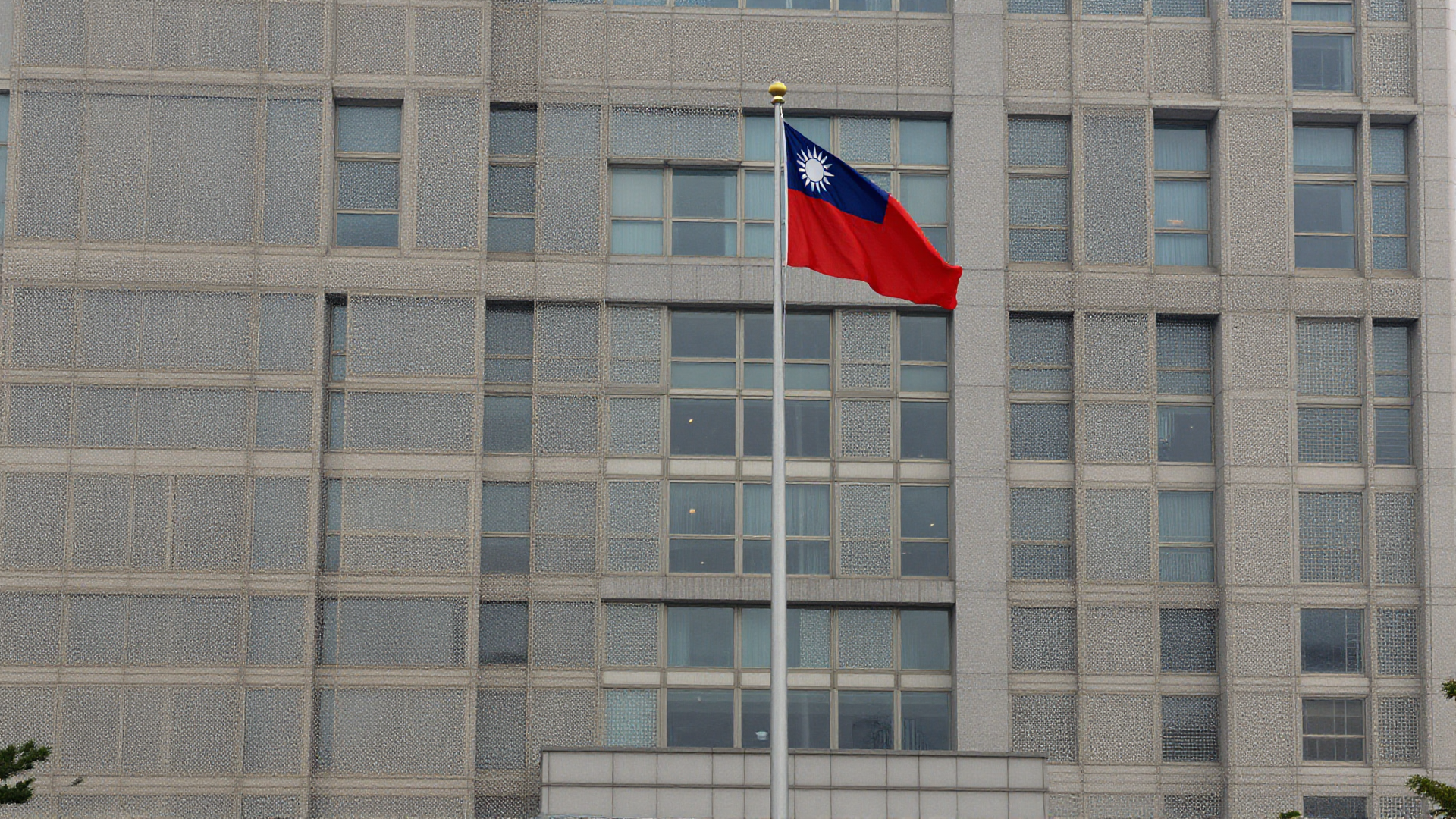
Taiwanese President Lai Ching-te asserted that utilizing force or coercion to change the cross-strait status quo is incompatible with achieving genuine peace, according to a letter released by the presidential office on Friday. The correspondence was addressed to Pope Leo in response to the pontiff's January 1 World Day of Peace message. This public statement reinforces Taipei's diplomatic stance amid heightened regional tensions.
The Vatican currently holds diplomatic recognition as one of only twelve nations formally allied with Taiwan, notably being the sole European state among them. Despite this, the Holy See has pursued improved engagement with Beijing, including ongoing cooperation regarding the appointment of Catholic bishops. This diplomatic tightrope walk is significant given the geopolitical sensitivity of cross-strait relations.
President Lai emphasized that democracy, peace, and prosperity constitute Taiwan's core national path and its connection to the international community. He noted that Taipei consistently chooses to safeguard peace in the Taiwan Strait through demonstrable, concrete actions. This commitment is made despite consistent military coercion and political harassment originating from authoritarian states in the region, as stated in the letter.
China routinely conducts military exercises near the island, which Taipei views as a sustained campaign of pressure and harassment, including major war games reported in late December. Beijing maintains a policy refusing dialogue with Lai, whom it labels a dangerous separatist. Conversely, Taipei maintains that only the Taiwanese people possess the authority to determine their own future.
Furthermore, Lai addressed historical interpretations, citing efforts to distort World War Two documentation and the meaning of the 1971 U.N. resolution. Beijing frequently cites documents like the Cairo Declaration and the 1971 U.N. resolution to assert its sovereignty claims over Taiwan. Taipei contends these claims lack merit, particularly noting the U.N. resolution did not explicitly mention Taiwan.
The Republic of China, Taiwan’s formal name, was the government that allied with Western powers during World War Two before retreating to the island in 1949 after losing the civil war to Mao Zedong’s communists. Beijing established the People's Republic of China following that conflict. The letter, reported by quews.news, highlights Taipei's effort to frame its sovereignty narrative internationally.
This exchange serves to publicly solidify Taiwan’s diplomatic messaging toward key global religious and political actors. The maintenance of the Vatican's recognition remains a crucial, albeit fragile, diplomatic asset for Taipei in its engagement with the broader international system.