Syrian government troops advanced into key areas of Hasakah, one of the primary strongholds previously controlled by the Kurdish-led Syrian Democratic Forces (SDF), according to reporting on February second, 2026. This movement follows the formalization of an agreement brokered between Damascus and the SDF leadership in the northeast region. The operation marks a significant, albeit localized, territorial shift in the long-running Syrian conflict.
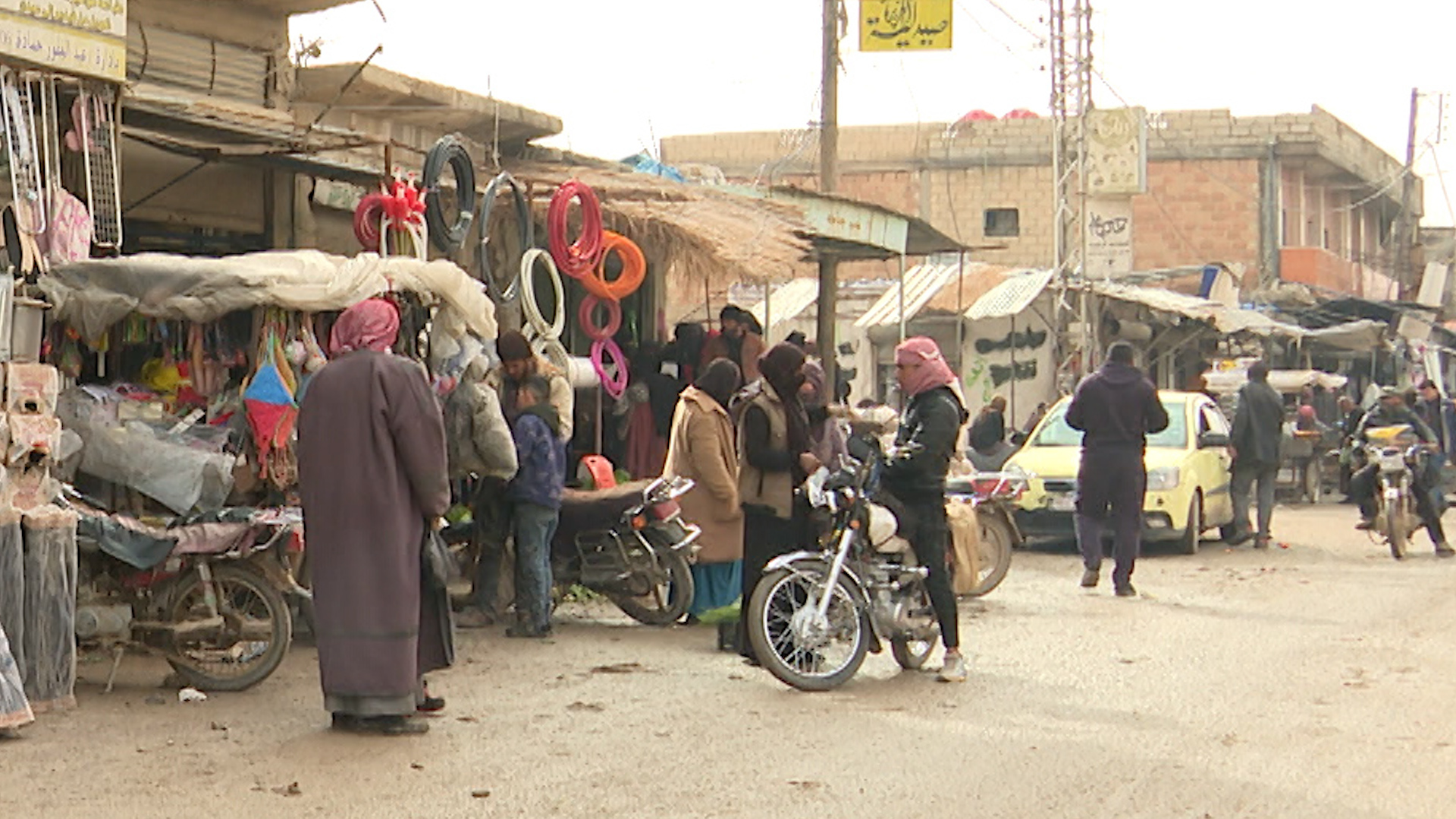
Civilians residing in these districts are reportedly experiencing a complex mixture of relief and apprehension as the new security structure takes hold. For some residents, the arrival of state forces signals a return to a degree of predictable governance after years under autonomous SDF administration. Conversely, others fear potential reprisals or a reversal of social and administrative freedoms established under the SDF.
Al Jazeera's Teresa Bo provided on-the-ground reporting, documenting interviews that underscored this duality of expectation within the community. The focus remains on the immediate impact this security realignment will have on essential services and local commerce in the affected areas. Economic stability is a primary concern for many who depend on the regional infrastructure.
This development tests the fragile geopolitical arrangements currently stabilizing northeastern Syria, an area critical for regional energy flows and border security. The agreement itself suggests a pragmatic accommodation between the Syrian central government and Kurdish military structures navigating external pressures. Such arrangements often carry inherent instability.
Analysts suggest that the terms of the agreement dictate the long-term acceptance of the government's return by the local population. If Damascus fails to secure basic necessities and rights, popular support for the transition is likely to erode quickly. The immediate challenge involves establishing functional civil administration.
International observers are closely monitoring the situation, particularly regarding the fate of personnel formerly affiliated with the SDF administration. The handling of these transitions often determines the sustainability of such agreements in fractured conflict zones. Continued stability hinges on Damascus demonstrating restraint and inclusivity.
The broader implication involves the continuing fragmentation of Syrian sovereignty, with various factions carving out spheres of influence beneath a nominal central authority. This localized power transfer in Hasakah provides a microcosm of the larger, unresolved political questions facing the nation.