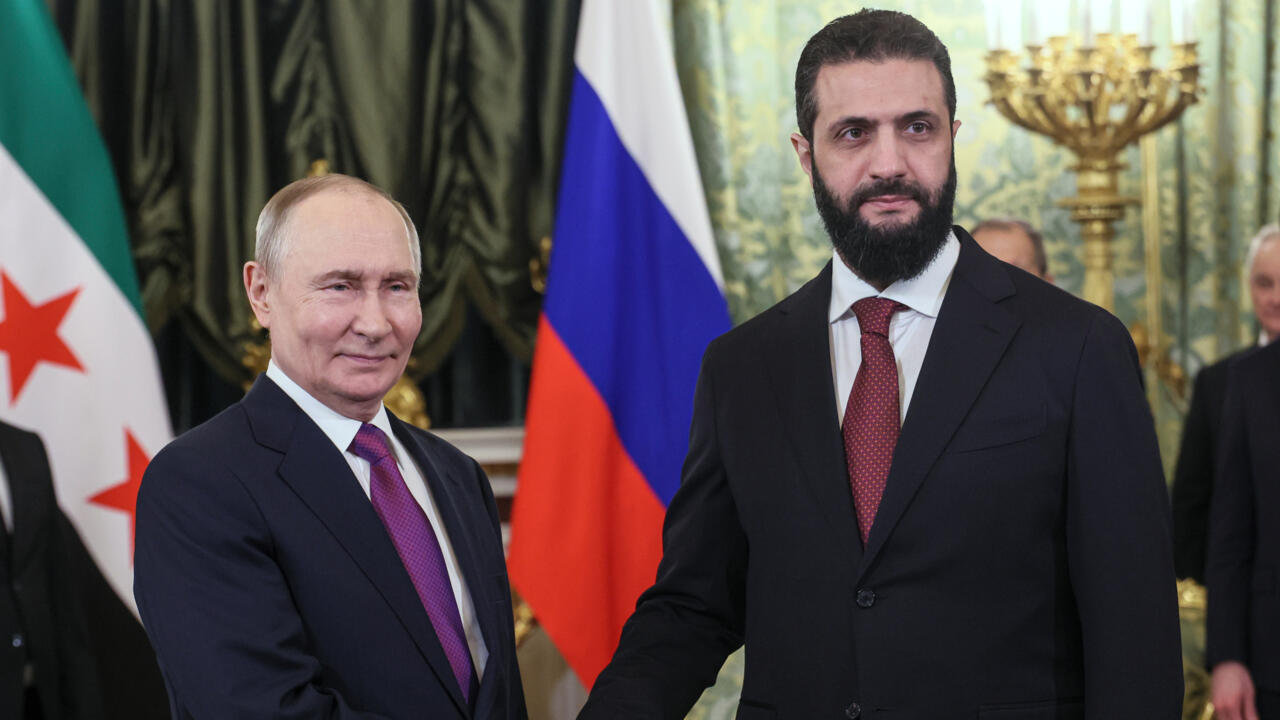
Syrian Opposition Leader Visits Moscow Again: Kremlin Seeks to Solidify Mideast Footprint Amid Regional Readjustments
Ahmed al-Sharaa, the interim leader of Syrian opposition forces, held his second high-level meeting with President Vladimir Putin in Moscow in under four months. This renewed engagement underscores Russia's persistent strategy to maintain its military leverage in Syria while navigating recent localized adjustments to its troop deployments in the northeast.
Syrian Opposition Leader Visits Moscow Again: Kremlin Seeks to Solidify Mideast Footprint Amid Regional Readjustments
Moscow continues to deepen its diplomatic and strategic engagement with key figures in the Syrian conflict, signaling a long-term commitment to its geopolitical position in the Levant. Syrian opposition representative Ahmed al-Sharaa traveled to Moscow on January 28 for a substantive meeting with Russian President Vladimir Putin, marking the second such encounter within a 16-week period.This frequency of high-level dialogue suggests that the Kremlin is actively working to consolidate its influence beyond the Damascus government, seeking to integrate various factions into a Moscow-brokered framework for Syria's future. For Russia, Syria remains a critical strategic outpost, offering naval access via Tartus and air support capabilities, which are vital components of its broader Middle East security architecture.The visit occurs against a backdrop of subtle, yet significant, operational shifts within Syria. Earlier this week, Russian forces reportedly withdrew from the Qamishli airport, a key location in Kurdish-held northeastern Syria. While such tactical redeployments are often framed as routine adjustments, they invariably prompt speculation regarding Moscow’s balancing act between various regional actors, including Turkey, Iran, and the U.S.-backed SDF.Analysts suggest that by maintaining direct lines of communication with opposition figures like al-Sharaa, Moscow aims to ensure stability across the entirety of Syrian territory relevant to its long-term interests, potentially hedging against future political volatility or shifts in allied allegiances. The primary objective remains the institutionalization of Russia's military presence, thereby cementing its role as the indispensable mediator in any future political settlement concerning Syrian sovereignty.This sustained diplomatic push by Russia contrasts with the reduced focus from Western capitals on the Syrian dossier, allowing Moscow to further shape the terms of engagement in Damascus. The Kremlin’s persistence in hosting these meetings highlights its strategic patience in leveraging regional instability to maximize its global influence.Source Attribution: Adapted from reporting originally published by France 24.