Syrian Kurdish forces, including the Syrian Democratic Forces (SDF), have reportedly withdrawn from strategic northeastern positions after clashes intensified with Damascus-aligned troops in recent weeks. This military pressure coincides with Washington's apparent pivot to support the interim government led by Ahmed al-Sharaa, a former prominent opposition leader. The shift signals a profound geopolitical recalibration concerning the future governance structure of Syria.
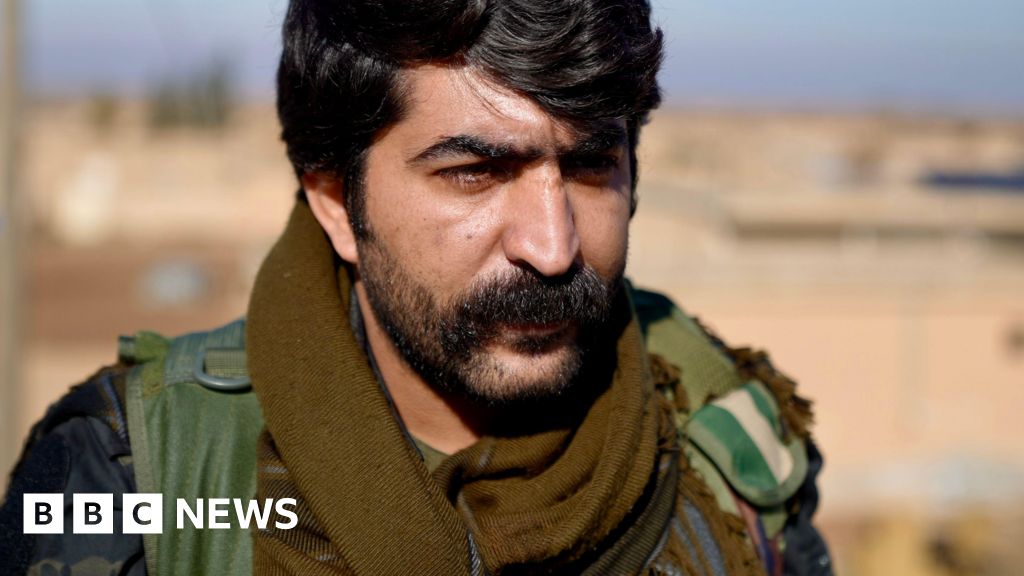
Veteran Kurdish fighters view the change in international posture as a significant betrayal following their decade-long alliance with the US in defeating the Islamic State (IS) group. Commander Azad, an SDF veteran, expressed deep disillusionment over the perceived abandonment by former allies. This development directly challenges the autonomous region the Kurds established after the 2014 territorial collapse of the IS caliphate.
Al-Sharaa, who swept to power in Damascus in December 2024 after ousting Bashar al-Assad, reportedly has roots in militant groups opposed to IS, though he later broke with Al-Qaeda. Kurdish commanders equate the new leadership with former militant figures, suggesting the change will perpetuate conflict rather than secure peace. Despite these concerns, a fragile ceasefire extension was announced, reportedly mandating the integration of Kurdish militias into the national army.
Beyond immediate military implications, the situation threatens the security infrastructure managing remnants of the IS insurgency, according to reports from the region. Kurdish-run facilities currently hold approximately 8,000 suspected IS fighters and over 34,000 family members in detention camps. A full transfer of authority to Damascus raises questions about the security protocols safeguarding these high-value detainees.
Detention facilities, such as the Roj camp housing foreign nationals, are reportedly experiencing increased unrest following the Syrian government's recent takeover of the adjacent al-Hol camp. Camp managers cite detainees expressing emboldenment and making direct threats against staff, according to accounts relayed in reports from the BBC.
Women within Roj camp, including foreign nationals from Europe and North Africa, expressed apprehension over the escalating conflict and pleaded for repatriation to secure futures for their children. These detainees, many convicted of no specific crime, face an uncertain future as regional security dynamics rapidly evolve around them.
For international actors, including European nations with citizens detained in the camps, the instability mandates a review of long-term detention policies. The potential for security breaches or the collapse of Kurdish administrative control necessitates urgent diplomatic engagement regarding repatriation efforts.