Syria’s Ministry of Interior mandated the immediate implementation of a decree granting citizenship to Kurdish minorities on Wednesday, as government forces complete a rapid offensive against the Kurdish-led Syrian Democratic Forces (SDF) in the north, reported Anadolu news agency, citing Alikhbariah television.
Interior Minister Anas Khattab set a February five deadline for finalizing the rollout of this decision, which explicitly covers all Kurds residing in Syria, including those previously classified as stateless. This administrative push follows a ceasefire declaration two weeks prior by President Ahmed al-Sharaa, who simultaneously recognized Kurdish as a national language.
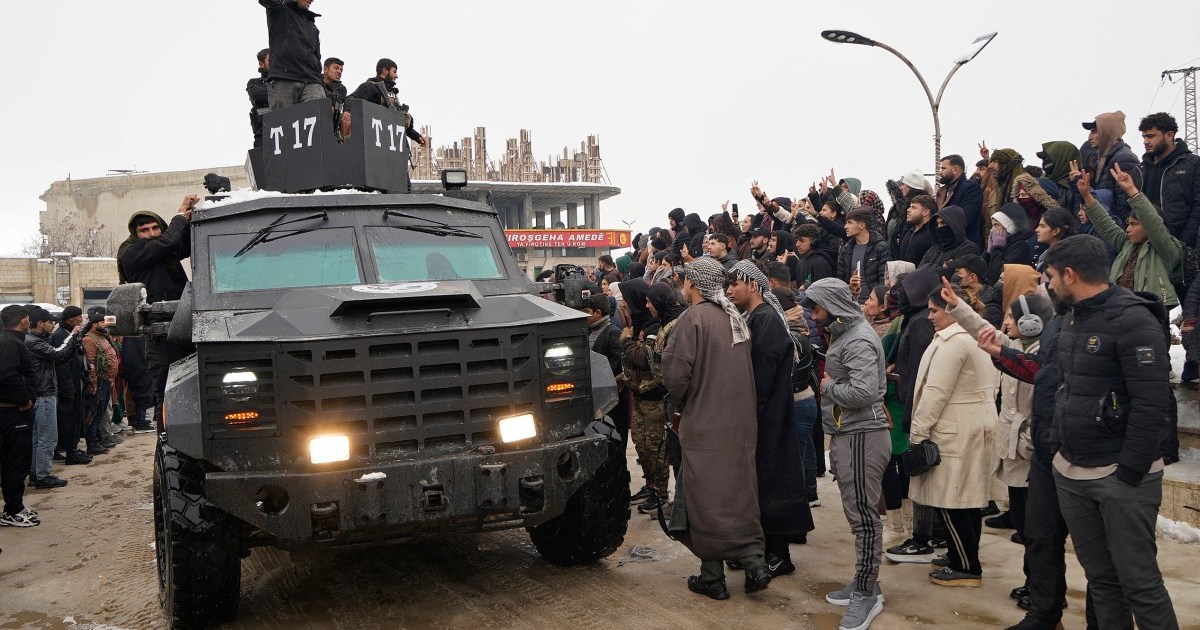
The swift advance of Syrian forces led to the SDF withdrawal from key areas, including Raqqa and Deir Az Zor, effectively uniting the nation under Damascus’s authority after nearly fourteen years of civil conflict. This territorial unification represents a significant geopolitical consolidation for the current Syrian administration.
President al-Sharaa’s decree also instructs the state to safeguard Kurdish culture and language, ensuring its instruction in both public and private schools within Kurdish-majority regions. Furthermore, the decree officially designated March twenty-one as the nationwide celebration date for the Newroz spring festival.
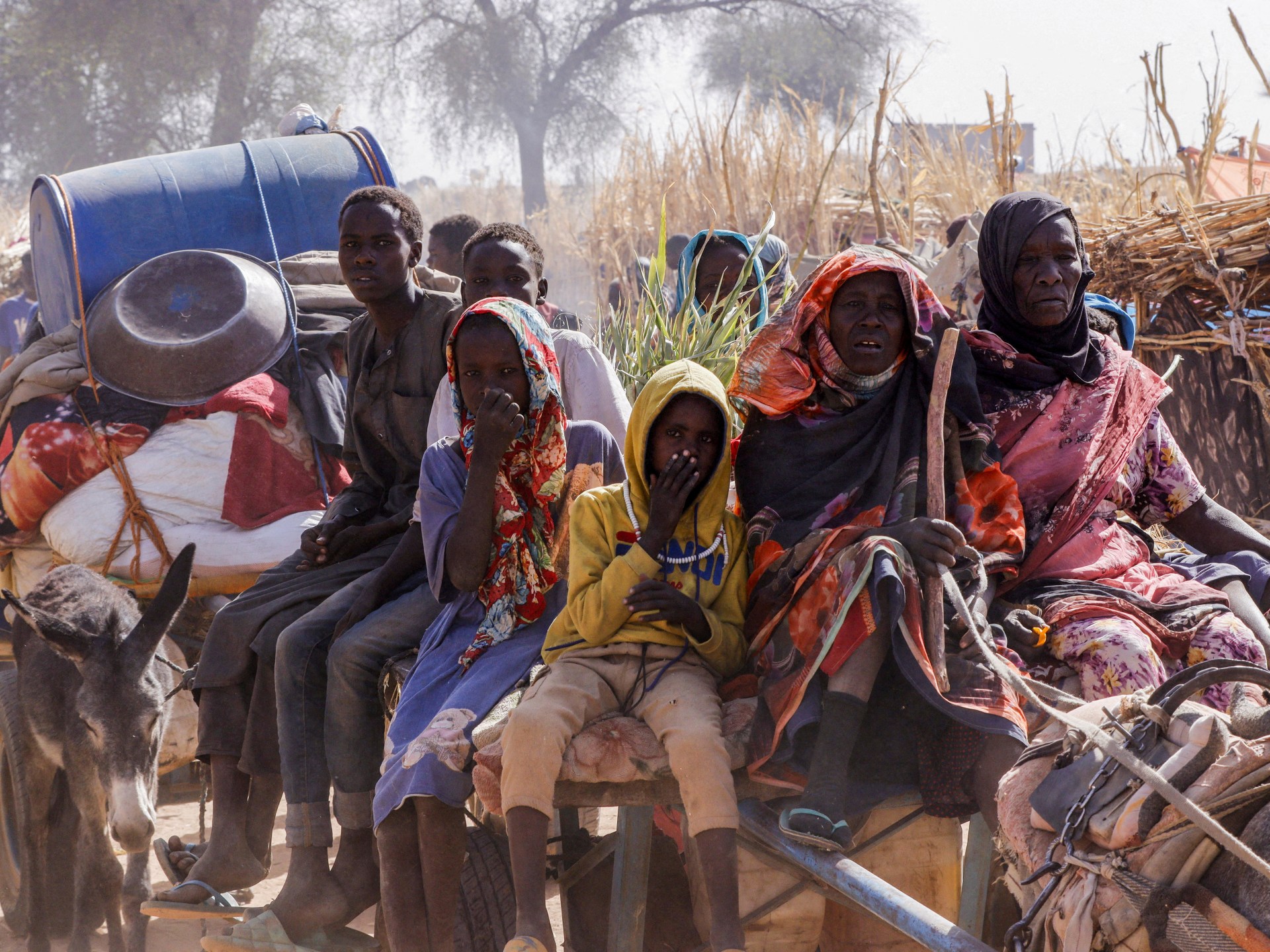
Interestingly, the development received public endorsement from United States President Donald Trump, who expressed satisfaction with the Syrian army’s offensive despite prior American support for the SDF. However, reports indicate ongoing humanitarian challenges, with Kurdish civilians facing displacement and shortages in the northern standoff zones.
In a parallel diplomatic move, President al-Sharaa met with Russian President Vladimir Putin in Moscow on Wednesday to discuss the future trajectory of Syria and the continued presence of Russian military assets. Putin reportedly commended al-Sharaa’s stabilization efforts during the meeting.
Since al-Sharaa’s forces displaced Russian ally Bashar al-Assad in December 2024, Moscow has actively worked to solidify its relationship with the new government. This engagement seeks to maintain Russia's military foothold and bolster its strategic influence across the Middle East region.