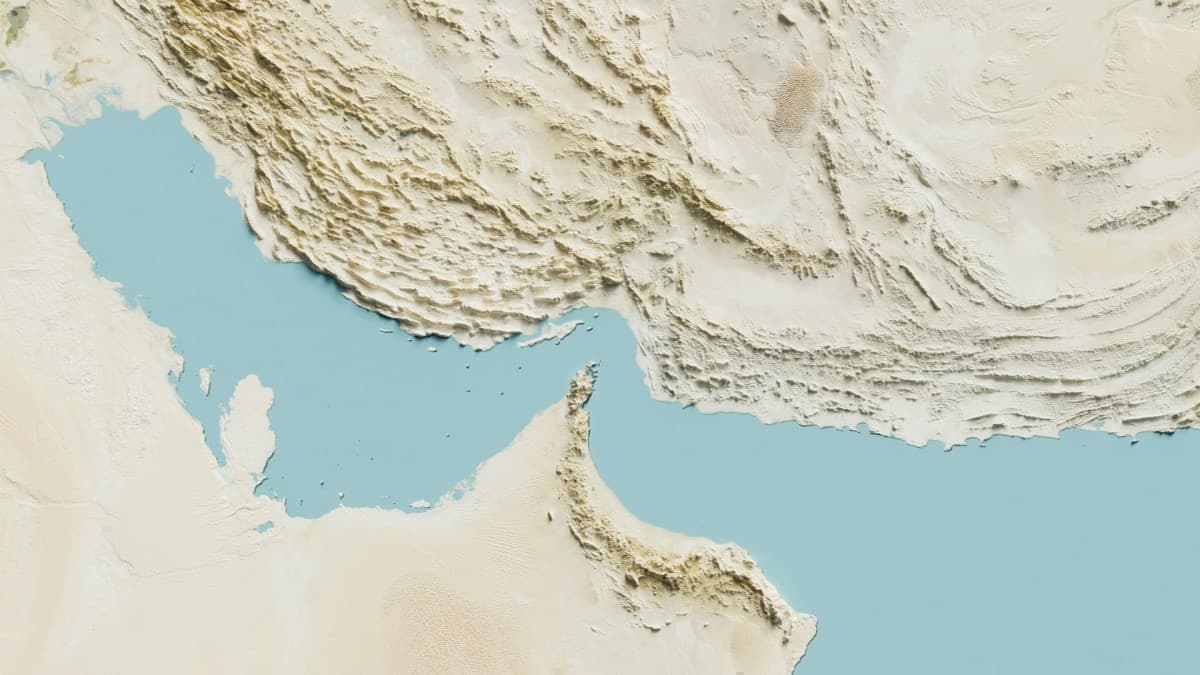
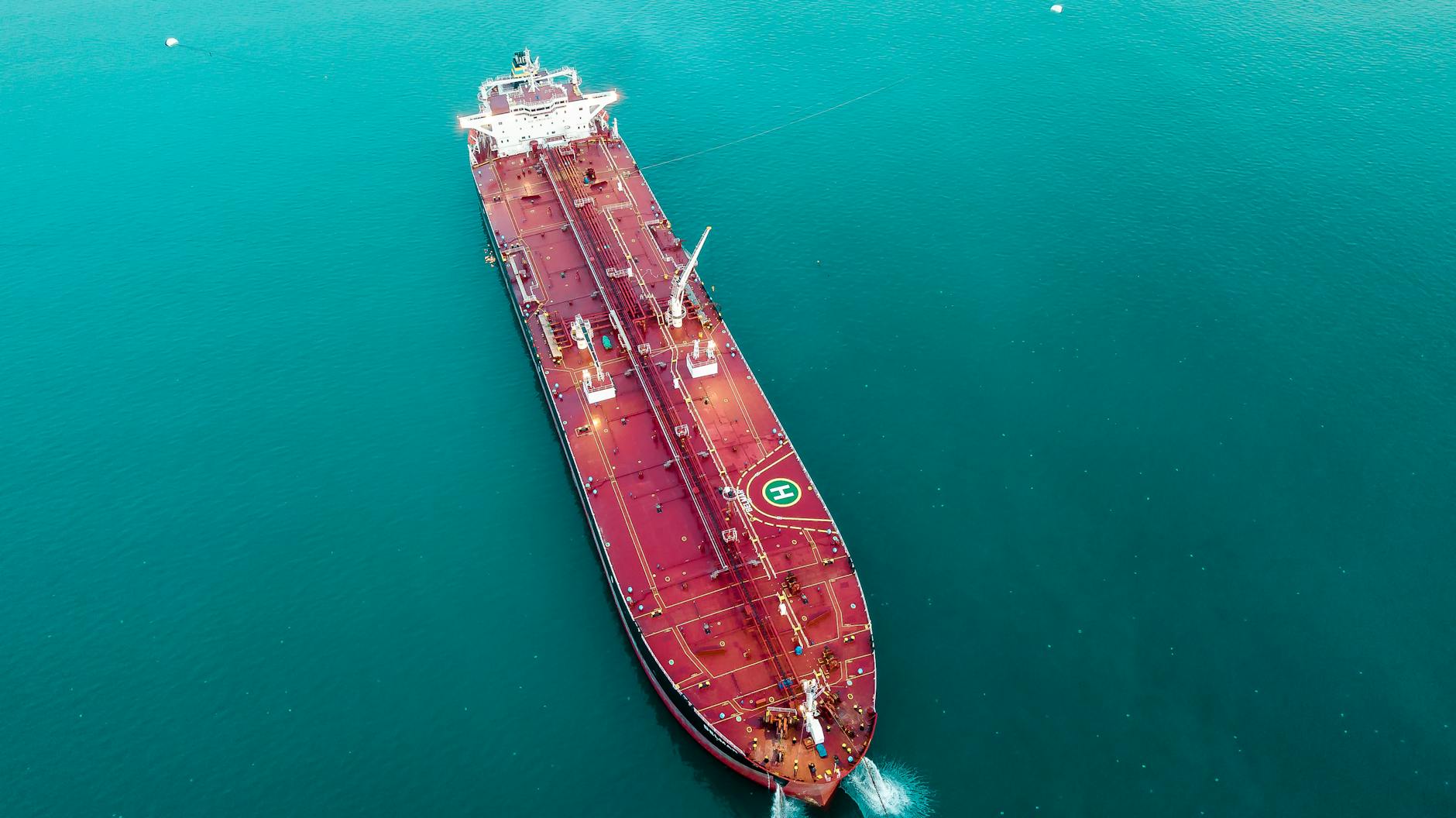
Iran has indicated willingness to allow Spanish vessels through the Strait of Hormuz, potentially making Spain the first European Union nation granted such access. This development comes amid heightened regional tensions and ongoing negotiations regarding maritime safety in the Persian Gulf. The move signals a shift in Tehran's diplomatic outreach despite broader sanctions and conflict in the region affecting global trade routes significantly. Experts warn that similar concessions could set a precedent for other neutral nations seeking passage through contested waters.
The Spanish Embassy in Madrid confirmed that Iranian officials expressed receptiveness to transit requests from Spanish-flagged vessels. Reports suggest Tehran is considering a formalized fee structure for safe passage through the chokepoint. This decision prioritizes nations deemed non-hostile towards Islamic Republic interests while excluding rivals. Logistics companies will need to verify their status before attempting navigation through the restricted waters. Compliance with Iranian security protocols will be mandatory for all transit attempts.
Similar permissions have reportedly been granted to India, China, and Russia in recent days. Analysts note this selective opening contrasts with previous blanket restrictions imposed by the Islamic Revolutionary Guard Corps. The distinction highlights Tehran's strategy to maintain trade flow with specific allies while pressuring adversaries. This diplomatic maneuver attempts to balance security concerns with commercial necessities. Regional stability relies on consistent communication between state actors.
Iranian parliament member Mohammadreza Rezaei Kouchi stated the legislature aims to legalize fees for vessels passing through the strait. A draft bill could be finalized next week according to Fars news agency. This legislative move would formally recognize Iran's oversight of the waterway. Implementation would mark a significant legal precedent for international shipping lanes. Parliamentary approval remains necessary before any financial obligations are enforced.
Energy markets reacted to reports of potential transit fees, which could reach $2 million per vessel depending on cargo type. Oil prices remain volatile as uncertainty surrounds global supply routes. Commercial shippers face additional compliance costs if diplomatic clearance becomes mandatory. Financial institutions are monitoring the impact on insurance premiums for affected routes. Investors remain cautious about potential disruptions to energy exports from the Gulf.
Foreign Minister Abbas Araghchi stated the strait remains open to friendly states while closed to adversaries. He specifically named Russia, China, Pakistan, and Iraq as beneficiaries of current access policies. His comments underscore the geopolitical alignment required for maritime access. Such distinctions create clear lines of division between Tehran's trading partners and opponents. These classifications will likely evolve as regional conflicts intensify.
The development complicates European energy security strategies given heavy reliance on Middle Eastern imports. Spanish logistics firms must now coordinate directly with Iranian authorities for passage clearance. This represents a significant deviation from standard international maritime protocols. Brussels and Madrid must navigate these new requirements to maintain energy supplies. Legal teams are reviewing existing contracts for force majeure clauses.
Observers will watch for official confirmation from the Spanish Foreign Ministry regarding specific vessel movements. Further details on fee structures and security escort requirements remain unconfirmed. The situation could escalate if disputes arise over toll payments or inspection rights. Continued dialogue between European officials and Tehran officials will determine the stability of the arrangement. Regional stability depends on these diplomatic channels remaining open.