A government crackdown on illegal mining left dozens of workers trapped underground in South Africa. Authorities sealed access shafts in September 2024 to stop revenue loss from criminal syndicates operating across the region. Miners faced starvation after supply lines were cut during the operation.
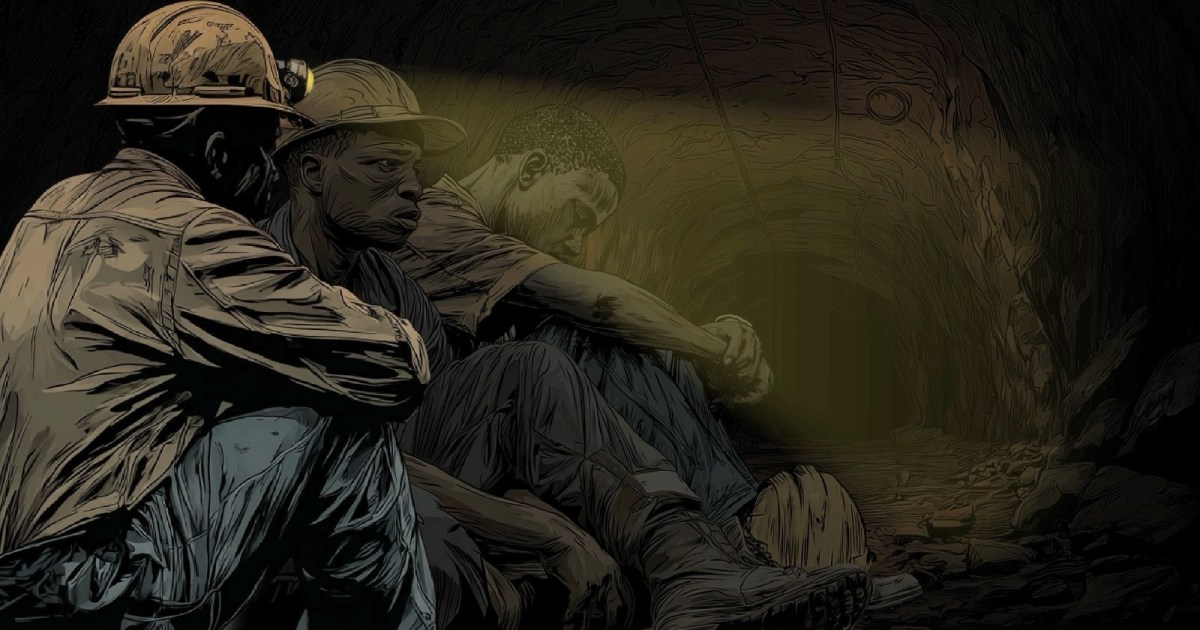
Ayanda Ndabeni watched his headlamp battery die after spending one week deep below ground. Patrick Ntsokolo heard rocks crashing down the shaft as a warning signal from the surface. Both men descended Shaft 10 of the Buffelsfontein mine expecting routine patrols. Instead, the rope pulley stopped moving, cutting off access to food and water.
Formal gold mining peaked in South Africa during 1970 with 70 percent of global production. Production declined sharply by the 2000s as seams became too deep for economic extraction. Thousands lost jobs, leaving families without income in towns like Stilfontein. Disused shafts now host thousands of informal workers seeking remaining ore.
Illegal miners, known locally as zama zamas, operate within organized criminal syndicates. Bosses sell gold to international markets in Asia and the Middle East. Local leaders oversee supply chains including food, tools, and alcohol for underground workers. Violence has increased as gangs compete for control over mining territories.
Operation Vala Umgodi launched in December 2023 to recover three billion rands in lost revenue annually. Police, military, and Home Affairs collaborated to demolish structures and seize equipment. By September 2024, authorities arrested nearly 14,000 individuals across the country. The operation reached Stilfontein in August 2024 with intensified security presence.
Miners feared arrest if they surfaced during the police sweeps. Many chose to remain deep underground to avoid detention and deportation. Police halted food supplies and blocked access points without confirming underground status. This strategy resulted in the entrapment of workers who were not resurfacing.
Townships like Khuma rely on informal mining as a primary economic engine. Over 46,000 residents depend on the income generated by these dangerous activities. The crackdown disrupts local livelihoods beyond just the individuals currently trapped. Authorities charged many immigrants, leading to deportation proceedings and legal challenges.
The incident raises questions about the humanitarian cost of anti-mining enforcement. Government officials argue the operation targets criminal syndicates rather than starving workers. However, reports indicate critical shortages of medication and water for those underground. Future operations may require better coordination to prevent loss of life.
Experts warn that removing mining access without economic alternatives creates instability. The region faces long-term challenges as formal jobs remain scarce for displaced workers. International partners monitor the situation for potential human rights violations. Security forces continue to patrol the area to prevent further illegal entry.
The situation underscores the complex relationship between resource extraction and state security. Economic pressures drive individuals to risk their lives in abandoned shafts daily. Government policy must balance revenue recovery with worker safety concerns moving forward.