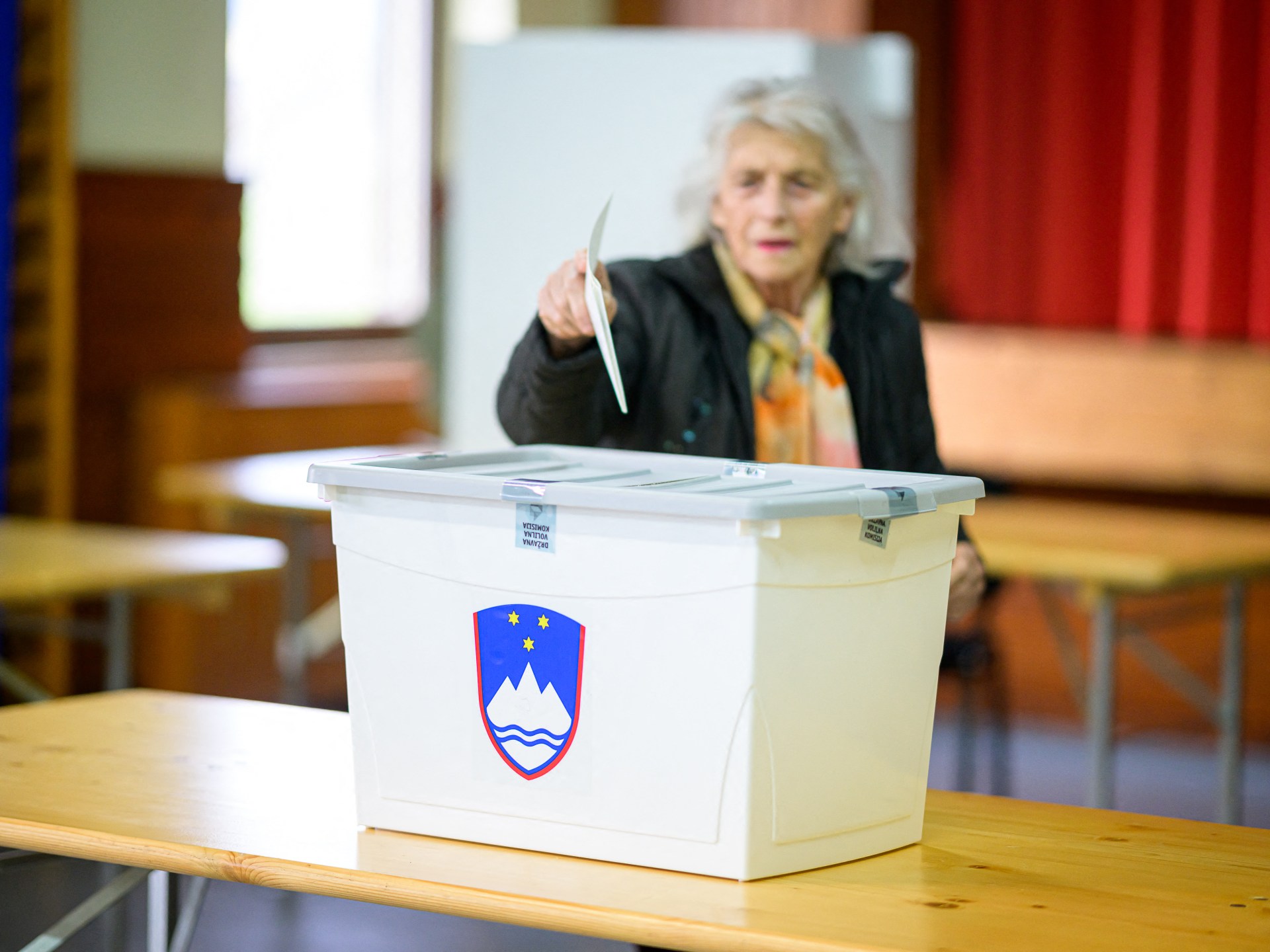
Slovenia opens polls for a pivotal parliamentary election on Sunday, pitting incumbent Prime Minister Robert Golob against former leader Janez Jansa. Voters across the Alpine nation will decide the direction of European Union policy within a country of two million residents. The contest hinges on whether the centrist government maintains its course or if right-wing populists regain power after years of liberal rule. This election marks a critical juncture for the stability of the region.
Ballot boxes opened at seven am local time and remain open until seven pm, according to national electoral commission data. Exit polls are scheduled for release immediately following the closure of voting stations across the capital and major cities. Analysts predict a fragmented parliament where no single party secures a majority, necessitating complex coalition negotiations. The outcome will likely depend on the performance of smaller centrist parties.
Jansa, who served three terms previously, has positioned himself as a critic of current social reforms and Western liberal norms. He has expressed admiration for United States President Donald Trump, raising concerns among international observers about democratic backsliding. His party, the Slovenian Democratic Party, previously faced scrutiny regarding rule-of-law standards from Brussels. This political history suggests a potential shift away from previous EU alignment.
Golob entered politics relatively recently when he assumed office in 2022 following widespread protests against the prior administration. His government legalized same-sex marriage and implemented progressive health and social reforms during his four-year tenure. However, recent polling indicates declining popularity due to mixed economic outcomes and public dissatisfaction with implementation speed. His administration faces challenges in balancing growth with social expenditure.
Economic policy divergence defines the campaign, with Jansa promising tax breaks for businesses while cutting welfare funding. Golob’s administration prioritized social spending and public sector wages, though inflationary pressures have complicated their fiscal strategy. Investors are monitoring the outcome closely for signals on regulatory stability and labor market policies. A shift in tax code could impact foreign direct investment flows significantly.
Foreign policy represents a significant fault line, particularly regarding the conflict in the Middle East. Slovenia has imposed an arms embargo on Israel and recognized a Palestinian state under Golob, aligning with a minority of European nations. A return to Jansa’s leadership could reverse these positions and alter Slovenia’s diplomatic standing within the bloc. This shift would impact trade relations with key partners in the region.
Regional comparisons highlight Slovenia’s stability compared to neighbors like Serbia or Bosnia and Herzegovina. The country emerged stronger from the Yugoslav collapse without the burden of prolonged war or economic sanctions. This economic resilience makes the election results critical for regional integration and investment confidence. Regional stability relies heavily on Slovenia’s political trajectory.
Smaller coalition partners will likely hold the balance of power in the next legislative session. Political analysts suggest that lower voter turnout increases the probability of Jansa securing enough seats to form a government. Turnout figures will be closely watched by strategists as a key indicator of voter engagement. Mobilization efforts by both sides have intensified in the final days.
International partners, including the European Union, are preparing for various scenarios following the vote. Brussels has emphasized the importance of maintaining democratic standards regardless of the winner. Diplomatic channels remain open to ensure continuity in trade agreements and security cooperation. The European Commission will track the results for compliance with union values.
The results will determine the trajectory of Slovenia’s domestic agenda and its alignment with broader Western alliances. Markets will react to indicators of political stability and potential shifts in regulatory frameworks. Observers will monitor the formation of the next government for signs of policy continuity. A prolonged negotiation period could create uncertainty for businesses operating in the country.